


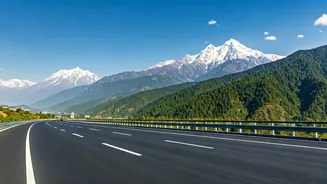

Expressway Now Open
A significant development for travelers connecting the national capital to Uttarakhand's popular destination, the Delhi-Dehradun Expressway has officially
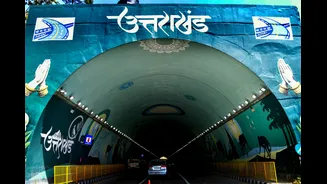
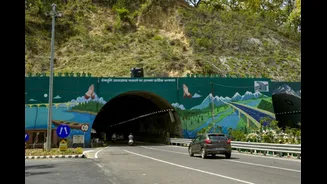
been declared fully operational. Its inauguration, marked by Prime Minister Narendra Modi on April 14, 2026, signifies the complete opening of the entire 213-kilometer corridor. This extensive stretch, commencing from the iconic Akshardham temple in Delhi and culminating in Dehradun, is now accessible to the public. This marks the end of a long-awaited project designed to revolutionize travel between these two key locations. Previously, the journey could take up to six hours, but with this new expressway, the travel time has been dramatically reduced. Passengers can now anticipate reaching Dehradun from Delhi in a remarkably shorter period of approximately 2.5 to 3 hours, making weekend getaways and business trips far more convenient and efficient.
Key Route Details
The strategic alignment of the Delhi-Dehradun Expressway is designed for optimal connectivity, passing through a series of important towns and cities that bridge the distance between the two metropolises. The route is established to accommodate a swift and direct passage, encompassing areas such as Loni, Khekra in Baghpat, Baraut, Shamli, Muzaffarnagar, Saharanpur, and Ganeshpur, before reaching Asharodi on the approach to Dehradun. This carefully chosen path ensures a seamless flow of traffic, minimizing detours and complex urban navigation. The entry and exit points have been strategically placed to facilitate ease of access for commuters originating from or heading to various parts of the Delhi-NCR region and Uttarakhand. The primary starting point is conveniently located at Akshardham in Delhi, providing a direct link from the heart of the capital. As the expressway progresses, several intermediate points like Loni Khekra (Baghpat), Lohadda, Karonda, Mahajan, and Khyawari offer access and egress. Further along, Saharanpur and Ganeshpur serve as crucial nodes before the final stretch through Asharodi leads directly into Dehradun, the designated endpoint.
Toll Charges & Facilities
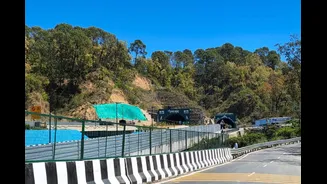
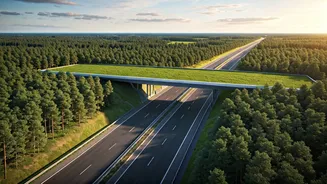
Navigating the Delhi-Dehradun Expressway involves a streamlined toll collection system, with all five toll plazas equipped with FASTag technology for cashless and efficient transactions. For users of cars and sedans, the one-way toll fee is estimated to be between Rs 670 and Rs 675. Travelers planning a round trip within a 24-hour period can benefit from a discounted rate, with the return journey expected to cost approximately Rs 1,000. It is important to note that while the expressway is operational, some essential roadside amenities, including petrol pumps, rest areas, and food establishments, are still in the process of being fully readied. Travelers might experience minor inconveniences during the initial days of operation as these facilities come online. However, the expressway does feature a significant infrastructure element: a 6-lane, access-controlled design that includes Asia's longest elevated wildlife corridor. This 12-kilometer stretch within Rajaji National Park is a remarkable feat of engineering, designed to facilitate safe passage for both vehicles and wildlife, demonstrating a commitment to environmental preservation.
Future Extension Plans
The vision for the Delhi-Dehradun Expressway extends beyond its current operational phase, with ambitious plans for further development aimed at enhancing connectivity and alleviating traffic congestion in the region. A significant proposed extension is slated to push the expressway's reach further north, all the way to Mussoorie. This future phase is anticipated to significantly ease the persistent traffic issues that frequently plague the popular hill station and the wider Uttarakhand capital region. By providing a more direct and efficient route, the extension is expected to not only improve travel convenience for tourists and residents alike but also potentially boost local economies through increased accessibility. This expansion underscores the long-term commitment to improving transportation infrastructure in Northern India, ensuring that key tourist destinations and economic hubs are better connected to the national network. The project signifies a forward-thinking approach to regional development, prioritizing speed, efficiency, and improved commuter experience.