




Remote Work's Travel Shift
The traditional 9-to-5 office setup is rapidly becoming a relic of the past, thanks to the widespread adoption of remote work. This fundamental shift has
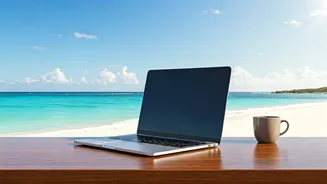
ignited a revolution in how people approach travel, liberating individuals from the constraints of fixed office locations. Instead of being confined to cubicles, professionals can now redefine their workspaces, opting for idyllic settings like serene beaches or charming mountain retreats. This newfound flexibility allows for a harmonious integration of work and leisure, turning everyday commutes into exciting journeys and transforming ordinary days into extraordinary experiences. The very definition of a 'workday' has been rewritten, offering a passport to explore the world while maintaining professional responsibilities.
Productivity Through Travel
Experiencing a creative lull or struggling to maintain momentum? A change of scenery often acts as a potent catalyst for enhanced productivity. The invigorating effect of fresh air and exposure to new vistas can significantly diminish the monotony of routine tasks, making even mundane activities like responding to emails feel less burdensome. This mental reset provided by travel allows the mind to approach challenges with renewed vigor and a clearer perspective. It's not just about a break; it's about recalibrating your cognitive state to unlock higher levels of focus, innovation, and efficiency, proving that stepping away from your desk can actually help you get more done.
Digital Nomad Ascent
The allure of the digital nomad lifestyle is no longer confined to a niche group of adventurous bloggers. With the proliferation of robust remote work infrastructure, the dream of earning a living while traversing the globe is now accessible to a much broader audience. All that's truly required is a reliable technological setup—your laptop, smartphone, and perhaps a portable hotspot—coupled with an unwavering aspiration to explore. This democratisation of remote work has empowered a new generation of professionals to build careers on their own terms, un tethered by geographical limitations and free to design a life rich in experiences and personal growth.
Affordable Wanderlust
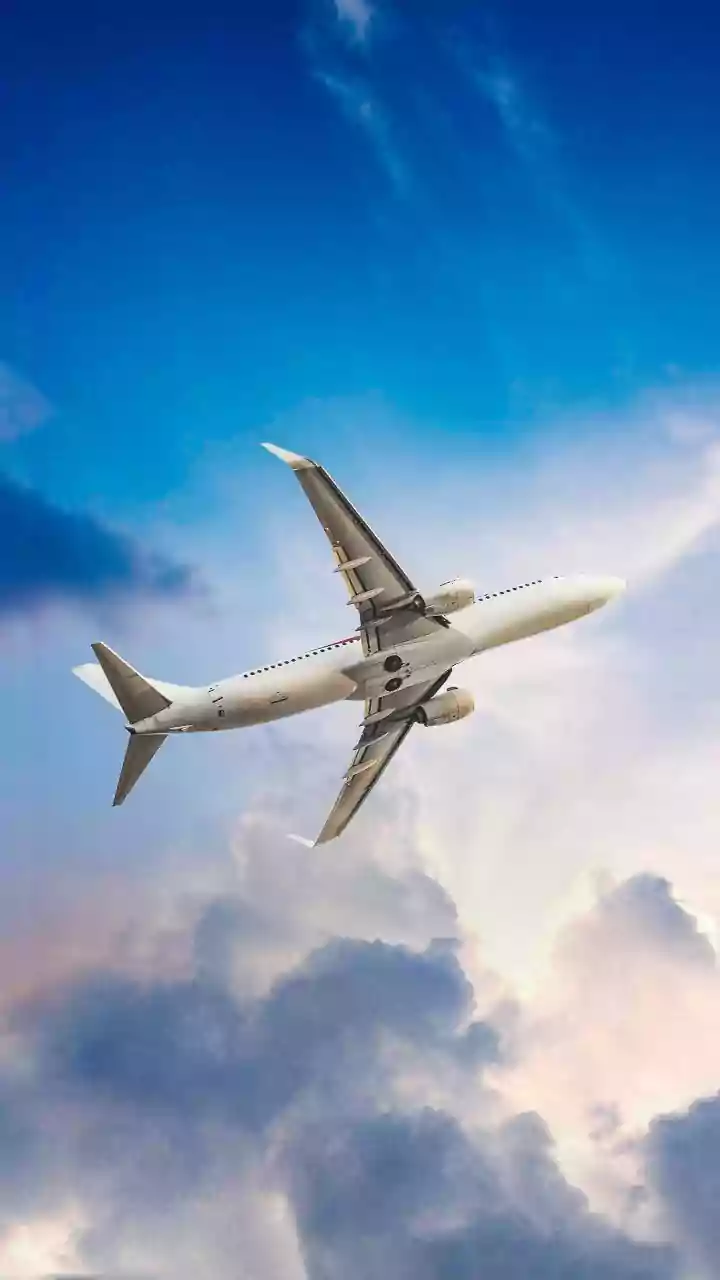
One of the most significant advantages of the work-from-home flexibility is its direct impact on making travel more economical. The ability to work remotely opens doors to extended stays, allowing individuals to immerse themselves more deeply in new cultures and environments without the pressure of a ticking clock. Furthermore, opting for mid-week travel often means accessing lower prices on flights and accommodations, maximizing budget efficiency. This flexibility also facilitates the discovery of 'work from home travel jobs' or opportunities that can directly fund these adventures, making wanderlust a sustainable lifestyle choice rather than an occasional luxury.
Scenic Sanctuaries Beckon
There's a noticeable shift away from bustling, noisy urban centers towards tranquil, scenic destinations. Individuals are actively seeking out locations that offer a more peaceful and aesthetically pleasing environment to work from. This preference for quietude stems from a desire to achieve a better work-life balance, finding that working amidst the serenity of nature or in a calm, picturesque setting significantly enhances well-being and focus. The integration of work with the beauty of natural landscapes provides a restorative backdrop that fosters both professional success and personal rejuvenation.
Connectivity is Key
In the realm of workcations, one factor stands out as an absolute prerequisite: an exceptionally fast and reliable Wi-Fi connection. This isn't merely a convenience; it's the cornerstone of productivity for remote professionals. Without seamless connectivity, essential tasks like participating in video conferences, collaborating with colleagues, and accessing cloud-based resources become frustratingly impossible. In today's globally connected work environment, robust internet access has evolved from a basic amenity to a defining feature of desirable workcation spots, essentially becoming the new definition of luxury for the modern remote worker.
Industry Adaptation
The travel industry and various service providers are rapidly evolving to accommodate the burgeoning trend of workcations. Cafes are increasingly equipping themselves with ergonomic seating and dependable Wi-Fi to cater to remote workers seeking a change of pace. Luxury resorts and hotels are also innovating, introducing specialized workcation packages that offer dedicated workspaces, high-speed internet, and amenities designed to enhance productivity and comfort. This proactive adaptation by businesses ensures that professionals can seamlessly blend their work responsibilities with the pleasures of travel, making it easier than ever to achieve a fulfilling nomadic lifestyle.