




Expanded Free Seat Quota
Starting April 20, passengers booking flights within India will benefit from a substantial increase in complimentary seat selections. The Directorate General
of Civil Aviation (DGCA) has issued new regulations requiring airlines to allocate a minimum of 60% of all seats on any given flight for free. This marks a significant enhancement from the current practice, where typically only about 20% of seats are offered without additional charges, with the remaining seats often incurring fees. This directive was prompted by concerns from the civil aviation ministry regarding the increasingly steep fees passengers were being charged for selecting their preferred seats, highlighting a need for more equitable access to seating arrangements on flights across the country.
Transparency in Allocation
The DGCA's amended Air Transport Circular, effective from April 20, not only expands the free seat quota but also emphasizes clear communication from airlines. Carriers are now obligated to ensure their seat allocation policies are entirely transparent, with readily visible information about available free seats and any associated conditions or restrictions. This information must be prominently displayed on their booking platforms and websites. The regulator stressed the importance of unambiguous presentation, ensuring passengers can easily understand their options and any terms related to free seat selection before completing their bookings, fostering a more straightforward and less confusing booking experience for travelers.
Family Seating Priority
Beyond just increasing the number of free seats, the new regulations also address the comfort and convenience of families traveling together. The DGCA has directed airlines to make reasonable efforts to seat passengers who are part of the same booking (identified by a unique Passenger Name Record or PNR) in close proximity. Ideally, this means accommodating them in adjacent seats within the same row whenever operationally feasible. This provision aims to enhance the travel experience for families, ensuring they can stay together without the hassle of being scattered across the cabin, thus promoting a more harmonious journey for all members.
Industry Pushback and Concerns
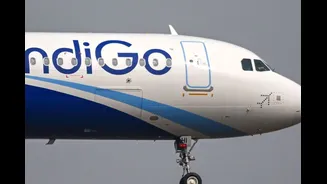
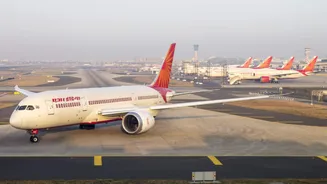
While the new directive is designed to benefit passengers, it has encountered resistance from major airlines. Carriers like IndiGo, Air India, and SpiceJet have reportedly objected to the mandate, expressing concerns that allocating such a large percentage of seats for free could negatively impact their revenue streams. The Federation of Indian Airlines (FIA), representing these carriers, has formally urged the civil aviation ministry to reconsider the decision. They argue that a reduction in ancillary revenue from seat selection could potentially lead to an overall increase in airfares to compensate for the lost income, posing a potential downside for travelers in the long run.
Broader Ancillary Disclosure
The DGCA's regulatory focus extends beyond just seat selection. Airlines are also required to clearly and unambiguously display charges for all other optional services they offer. This includes fees for carrying specialized items such as sports equipment or musical instruments. Furthermore, airlines must provide clear disclosure of any liability conditions that apply in the event of damage to these items. This comprehensive approach to ancillary service transparency aims to ensure passengers are fully informed about all potential costs and terms associated with additional services, contributing to a more predictable and transparent travel booking process overall.