



Khichdi's Sacred Embrace
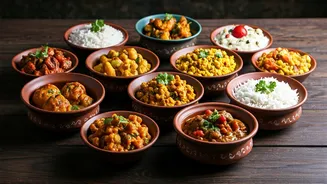
Urad dal khichdi holds a special place in Makar Sankranti celebrations. It is much more than just a meal; it's a symbol of prosperity and the end of the harvest
season. Prepared with rice, urad dal, and various spices, the khichdi is often cooked in an earthen pot over a wood fire, adding a unique smoky flavor. Each ingredient is carefully selected to represent abundance, with the slow cooking process signifying the slow and steady progress of life. This dish is usually offered to the deities before being enjoyed by everyone, signifying the importance of gratitude and community spirit during the festival.
Til Laddoo's Sweetness
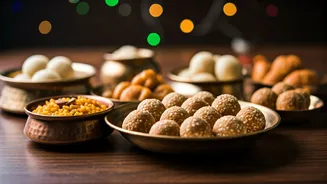
Til ke ladoo, or sesame seed balls, are a quintessential treat during Makar Sankranti. Made with sesame seeds and jaggery or sugar, these bite-sized sweets symbolize warmth, sweetness, and the spirit of togetherness. The sesame seeds represent good health and fortune, and the jaggery provides warmth, important during the colder months. Making til ke ladoo is often a family activity, with everyone pitching in, and the act of sharing these ladoos reinforces the bonds of family and friendship. Each bite is a reminder of the sweetness and goodness that the festival brings.
Dahi Chura's Simplicity
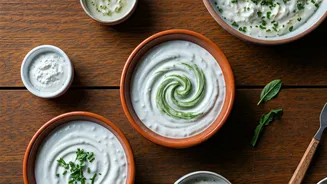
Dahi chura, a simple yet satisfying dish, is a common offering during Makar Sankranti. It is made with flattened rice (chura) mixed with yogurt and jaggery or sugar, offering a balanced combination of textures and flavors. The coolness of the yogurt and the sweetness of the jaggery provide a refreshing contrast, while the chura gives a filling base. This dish is not just about taste; it is about simplicity and the importance of using fresh, local ingredients. It's often eaten as a breakfast dish, marking the start of a day filled with festivities and joy.
Pitha's Cultural Delight
Pitha, a traditional rice cake, comes in various forms and flavors across Bihar and Uttar Pradesh during Makar Sankranti. These can be steamed, fried, or baked, and can have sweet or savory fillings. Some popular varieties include 'dudhpitha' which is a milk-based sweet cake, or 'momo-like' savory versions. Each type of pitha reflects local culinary traditions and preferences. Making pithas is a way to celebrate regional variations within the festival, as family members share the joy of these unique flavors, showcasing the diverse flavors of the region.
Gajak's Crispy Delight
Gajak, a brittle sweet made from sesame seeds and jaggery, is another favorite during Makar Sankranti. This crispy, crunchy treat is prepared by roasting sesame seeds, mixing them with melted jaggery, and then setting the mixture to cool and harden. Gajak's satisfying crunch and sweet taste make it a perfect snack during the festive season, and is often given as gifts. The act of making and sharing gajak adds to the festive mood, with its satisfying texture and sweet, nutty flavor that resonates with the joy of Makar Sankranti.
Gur ki Roti's Warmth
Gur ki roti, or jaggery bread, is a comforting dish often enjoyed during Makar Sankranti. These are flatbreads sweetened with jaggery, offering a warm and hearty treat. The jaggery provides a natural sweetness and is considered beneficial for health. The act of making and eating gur ki roti provides warmth during the cool winter season, creating a sense of contentment and well-being. It represents the simple pleasures of life, shared among family and friends, and embodies the spirit of the festival.
Malpua's Sweet Indulgence
Malpua, a deep-fried pancake soaked in sugar syrup, is a festive dessert favored by many. They are made from a batter of flour, milk, and sometimes fruits or spices, and then deep-fried until golden brown. The malpuas are then soaked in a sweet syrup, making them soft, juicy, and extremely delightful. They add a touch of luxury to the celebrations, providing a sweet end to the meal. This indulgence signifies the abundance and happiness associated with Makar Sankranti.
Thepla's Savory Twist
While Makar Sankranti is known for its sweets, savory dishes like thepla can also be part of the meal. Thepla is a spiced flatbread commonly enjoyed in the western parts of India and can make its appearance during the festival. It is made from a combination of whole wheat flour, spices, and sometimes vegetables. Thepla offers a contrasting taste to the sweets, providing a balanced meal. The savory nature of thepla highlights regional variations in the Makar Sankranti celebrations.
Seasonal Vegetable Dishes
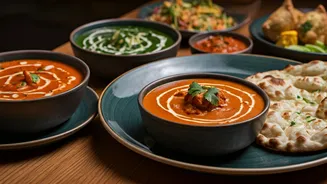
The festival also embraces seasonal vegetables. During this time, seasonal produce like spinach, radish, and other winter vegetables are prepared in various ways. These vegetables are either cooked with other dishes or served as a side. These vegetables offer a healthy and nutritious element to the feast, representing the importance of fresh, local ingredients and the bounty of the harvest. These dishes add a fresh, natural element to the feast, which complements the sweetness and richness of other dishes.
Chhena Murki’s Celebration
Chhena Murki, a sweet treat made from paneer, is also sometimes included. Paneer is cut into cubes, cooked, and then soaked in sugar syrup. This process makes the paneer soft, sweet, and delicious. Chhena Murki adds another layer of sweetness to the festive spread, and it is easy to make and enjoy. Its simplicity and sweetness make it a favorite. The inclusion of Chhena Murki ensures there’s a diverse range of flavors and textures in the Makar Sankranti feast, which makes the celebrations even more enjoyable.