






Beans: Protein Powerhouses
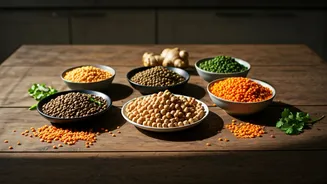
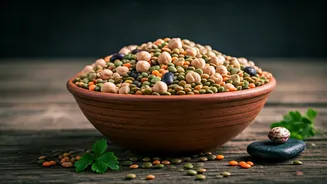
Beans, including other legumes, emerge as exceptional choices for managing blood sugar, offering a dual benefit of carbohydrates and substantial protein.
While their carbohydrate content might raise an eyebrow for some, their impressive protein and fiber content significantly mitigates any potential blood sugar spikes. The fiber component is particularly noteworthy; it's a type of carbohydrate that resists digestion, thereby slowing down the entire process. This slowing effect not only aids in promoting a healthy digestive system and potentially lowering cholesterol but also plays a crucial role in stabilizing blood glucose levels. Prioritizing high-fiber carbohydrates, like beans, fruits, vegetables, and whole grains, is a smart strategy for consistent energy release and better health outcomes. Their filling nature further contributes to a sense of satisfaction, making them a versatile addition to meals and snacks for anyone focused on stable blood sugar.
Yogurt: Creamy Blood Sugar Support
Dairy products, with yogurt leading the pack, offer a delightful combination of carbohydrates and protein. The precise nutritional profile varies, with Greek-style yogurt typically boasting more protein and fewer carbohydrates than its traditional counterpart. Regardless of the type, the protein and fat inherent in yogurt work harmoniously to prevent abrupt surges in blood sugar. Beyond its direct impact on glucose, yogurt serves as an excellent base for incorporating other nutrient-dense foods. Think of adding fruits for extra fiber or nuts for a satisfying crunch and healthy fats, creating a dynamic texture and flavor experience. The protein content aids in satiety by requiring a longer digestion time, helping you feel fuller for longer. Furthermore, yogurt is a source of probiotics, which may offer additional benefits for individuals managing diabetes, given the emerging research linking gut health to metabolic well-being.
Legume Pasta: Innovative Carbs
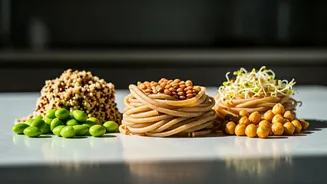
The culinary landscape is continuously evolving, presenting innovative food solutions to support dietary management, including for those with diabetes. Legume pasta stands out as a prime example, crafted from protein-rich sources such as chickpeas, lentils, and yellow peas instead of traditional wheat. This ingenious alternative often contains significantly more protein—up to four times as much—and less than half the carbohydrates compared to conventional pasta, which is a major advantage for managing blood sugar. By choosing legume pasta, individuals can enjoy a pasta dish with a reduced need to supplement with additional protein from sources like meat. While mindful moderation of carbohydrate intake is still key for those with diabetes, understanding these carb innovations opens up enjoyable eating possibilities without compromising health goals.