

LPG Crisis Impact
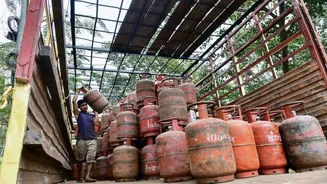
An acute scarcity of Liquefied Petroleum Gas (LPG) cylinders has placed immense pressure on social organizations in Ranchi dedicated to providing affordable
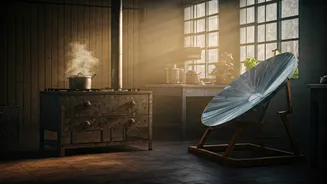
meals to the city's vulnerable population. Several community kitchens, integral to supporting the needy, have been compelled to seek out alternative fuel sources as their regular cooking gas supplies dwindled to nothing. This challenge threatened the continuity of their essential services, forcing a rapid reevaluation of operational strategies to ensure that no one goes hungry during this difficult period. The organizations, which have long been a lifeline for many, found themselves at a critical juncture, needing to innovate to maintain their commitment to social welfare amidst unforeseen logistical hurdles and resource constraints.
Marwari Sammelan's Resilience
The Ranchi district Marwari Sammelan, a long-standing contributor to social welfare, has been diligently organizing lunch services for the community at an incredibly low cost of just Rs 10 per plate. Pramod Agarwal, a key figure involved, highlighted that their initiative prepares approximately 200 plates of nutritious food each day, a service they have sustained for the past four years without fail. Demonstrating remarkable adaptability, the organization refused to halt operations even when faced with the LPG crisis. To overcome the shortage, they have successfully transitioned to cooking meals using traditional coal ovens. This strategic shift has allowed them to maintain their commitment to providing affordable sustenance to those who rely on their services, proving that determination can find a way even when conventional resources become scarce.
Roti Bank's Ingenuity
The crisis also significantly impacted the Ranchi Roti Bank, a vital operation situated at Rims, which consistently provides meals to the families and attendants of patients admitted to the hospital. With LPG cylinders becoming increasingly difficult to procure, the Roti Bank was forced to switch to electric stoves for meal preparation. However, this change necessitated a difficult decision: they had to reduce the overall quantity of food prepared to ensure the service could continue within their now-limited resources. Vijay Pathak, the founder, expressed the immense difficulty, noting that they had never faced such challenges even during the challenging Covid period over the past six years. He emphasized the critical role their service plays, especially for the economically weaker sections comprising nearly 90% of patients at Rims, and vowed to continue their essential work, prioritizing at least one meal a day for them regardless of the obstacles.