





Classic White Elegance
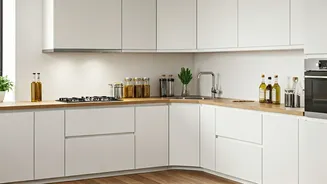
Embracing an all-white palette in a U-shaped kitchen design offers a timeless and visually expansive feel. White surfaces have a remarkable ability to
reflect both natural daylight and artificial illumination, significantly altering the perceived size and airiness of the space. This brightness not only aids in tasks like food preparation by making the environment easier to see but also combats the potential for the three-walled layout to feel confined. To introduce subtle visual interest and prevent a monotonous appearance, consider incorporating contrasting elements such as wooden countertops or a backsplash with interesting tilework, adding depth without overwhelming the clean aesthetic. This design approach has enduring popularity because of its adaptability, fitting seamlessly into both contemporary and more traditional home decors, ensuring it remains a relevant choice for years to come.
Peninsula for Open Living
A U-shaped kitchen can beautifully integrate with open-plan living areas by incorporating a peninsula. Instead of a solid wall segment, one side of the 'U' extends outward into the surrounding space, creating a connection without full enclosure. This protruding section serves a dual purpose: it can function as a casual breakfast bar, complete with stools for seating, and it fosters interaction between the cook and those in adjacent living or dining areas. This design choice effectively breaks down the isolation often felt by the person preparing meals. Crucially, it retains the inherent storage and countertop advantages of the U-shape while simultaneously enhancing the social dynamics of the home, proving particularly effective in optimizing space in smaller residences where multi-functional elements are key.
Central Island Feature
When a U-shaped kitchen occupies a more expansive room, the central area can sometimes feel underutilized or simply like empty space. The strategic addition of a central island can transform this void into a highly functional and visually appealing focal point. This island can serve multiple roles, offering additional surface area for food preparation, housing extra storage units, or even incorporating a secondary sink or seating. However, the success of an island in this layout hinges on adequate clearance; a minimum of 1.2 meters (approximately 4 feet) of unobstructed passage is recommended around all sides to ensure comfortable movement. If the space is too constrained, an island can impede workflow rather than enhance it. When implemented correctly, it becomes the social and practical heart of the kitchen.
Sleek Handleless Cabinetry
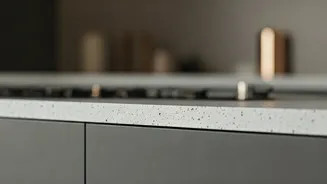
For those aiming for a minimalist aesthetic in their U-shaped kitchen, handleless cabinetry presents a remarkably clean and streamlined solution. By omitting visible handles, the cabinets create an uninterrupted visual flow across the multiple surfaces, reducing clutter and making the space appear more expansive. This contemporary look is typically achieved through integrated mechanisms like push-to-open systems or discreet recessed finger pulls. In a layout that inherently involves numerous cabinets, the absence of protruding hardware not only enhances the visual continuity but also offers practical benefits, especially in narrower kitchens where handles can become a snagging hazard for clothing. This style is best suited for flat-panel cabinet doors, whether finished in a high-gloss or matte texture, to maintain a cohesive and uncluttered appearance.
Open Shelving Accents
To counteract the potentially heavy and enclosing feel that can arise from an abundance of upper cabinets in a three-walled U-shaped kitchen, incorporating open shelving offers a refreshing alternative. Swapping out some wall cabinets for open shelves introduces a lighter visual element, making the walls feel less dense and the overall space more airy. These shelves also provide an excellent opportunity to display cherished dishes, glassware, or decorative jars, infusing the kitchen with a personal touch. The primary consideration with open shelving is the need for consistent organization, as a tidy arrangement is essential to maintain the desired aesthetic. This approach, when balanced with closed storage, contributes to a more open and welcoming atmosphere, often seen in farmhouse or industrial-style kitchens.
Symmetry for Balance
Achieving symmetry can significantly enhance the visual harmony and order within a U-shaped kitchen design. The central wall often serves as the anchor, potentially featuring a prominent element like a range cooker or a sink positioned beneath a window. The two side walls can then be designed to mirror each other in their arrangement of cabinets, appliances, or open shelving. This balanced composition creates a refined and intentionally structured look, as opposed to a haphazard arrangement. Symmetry is most effectively realized when the opposing walls are of comparable length, as this ensures a true sense of equilibrium. When executed thoughtfully, symmetrical U-shaped kitchens exude a sense of calm and sophisticated design.
Clever Corner Storage
Effectively utilizing the corners within a U-shaped kitchen is paramount, as these areas can often become neglected dead zones where items are stored out of sight and mind. Modern solutions like sophisticated pull-out mechanisms, such as 'LeMans' or 'magic corner' systems, are designed to bring stored goods forward, dramatically improving accessibility and ensuring no space goes to waste. Alternatively, the corners can be strategically occupied by functional elements like a sink or a cooktop. This requires more intricate planning, particularly concerning plumbing and ventilation configurations. By implementing these smart storage strategies, the inherent inefficiency of corner spaces is overcome, maximizing the usable storage capacity within the three-walled layout.