






The Chemical Concern
The Food Safety and Standards Authority of India (FSSAI) has issued a strong directive to all states, mandating an intensified crackdown on the prevalent
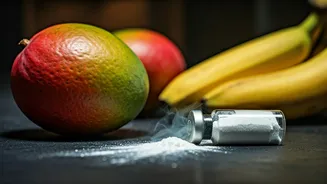
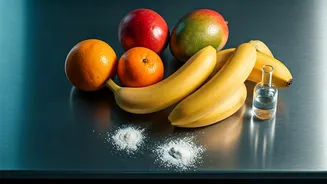
practice of artificially ripening fruits through the use of prohibited chemical substances. This initiative is a direct response to concerns over food safety and the potential health hazards posed by certain ripening agents. Specifically, the FSSAI has reiterated that the artificial ripening of popular fruits such as mangoes, papayas, and bananas using calcium carbide is strictly forbidden. This chemical, when used for ripening, can release highly toxic acetylene gas, which has been linked to a range of serious health issues for consumers. The authority's order emphasizes that such practices not only compromise the natural quality of the fruits but also pose significant risks to public health, necessitating immediate and stringent enforcement measures across the country to protect consumers.
Enforcement and Vigilance
To effectively combat the illegal use of unauthorized ripening agents, FSSAI has advised all Food Safety Commissioners, Regional Directors, and Central Licensing Authorities to significantly escalate their surveillance operations. This involves conducting more frequent and thorough inspections of fruit and vegetable markets, storage facilities, warehouses, and distribution networks. Particular attention is to be paid to areas where seasonal fruits are stored, and where the use of informal ripening methods, often referred to colloquially as "masala," is suspected. The FSSAI's directive also suggests undertaking special enforcement drives aimed at curbing the illicit application of calcium carbide, as well as other non-permitted ripening chemicals, waxes, and synthetic colors. The presence of calcium carbide in proximity to fruit crates or on the premises is to be considered as compelling circumstantial evidence for initiating legal prosecution against the food business operators involved in these violations.
Advanced Detection Methods
Beyond inspections and enforcement drives, the FSSAI is also advocating for the use of advanced testing methods to detect the presence of harmful ripening agents. Enforcement officials have been advised to utilize strip paper tests and other established procedures to accurately determine the presence of acetylene gas in godowns and ripening chambers commonly employed for the artificial ripening of fruits. This proactive approach aims to identify and neutralize facilities that are illegally using banned chemicals before the fruits reach the market. Furthermore, the FSSAI's advisory highlights another specific practice involving the dipping of fruits, such as bananas, into ethephon solutions, which has also been declared prohibited. By emphasizing these testing protocols, FSSAI aims to ensure a more scientific and effective approach to monitoring and controlling the use of unsafe fruit ripening agents.