






Shaving vs. Waxing Basics
When considering hair removal, particularly for those with sensitive skin, the age-old debate between shaving and waxing surfaces. The fundamental distinction
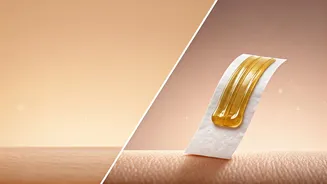
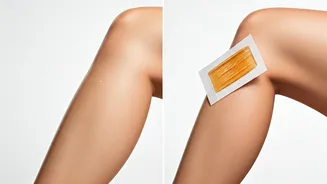
lies in their approach: shaving severs hair at the skin's surface with a razor, a relatively superficial action. In contrast, waxing grips the hair and pulls it out from the root. This core difference significantly influences the outcome, affecting pain levels, the duration of smoothness, and how the skin reacts post-treatment. Understanding these mechanics is crucial for making an informed decision that prioritizes skin health and minimizes discomfort, especially when dealing with skin prone to irritation, redness, or bumps.
Waxing: The Smoothness Factor
Waxing offers a compelling advantage for those seeking extended periods of smooth skin. By extracting hair from its base, it not only provides a longer-lasting result, often extending up to a month, but also contributes to the regrowth of finer, softer hair over time. Beyond hair removal, the waxing process involves the removal of dead skin cells, acting as a mild exfoliant that can leave the skin feeling rejuvenated. However, for individuals with sensitive skin, waxing can present considerable drawbacks. The process of pulling hair from the root can lead to intense redness, the development of rashes, and significant skin irritation. There's also a heightened risk of ingrown hairs and inflammation. Furthermore, if you are using retinoids or undergoing treatment for acne, waxing is generally discouraged as it can exacerbate these skin conditions, making your sensitive skin even more reactive.
Shaving: Gentle on Skin
Shaving presents itself as a gentler alternative, particularly beneficial for sensitive skin types. Because it operates by cutting hair at the surface rather than pulling it from the root, it causes less trauma to the skin. This method is less likely to induce the tugging and pulling sensations that can irritate delicate complexions. Shaving offers the convenience of being performed at any time, without the need to wait for a specific hair growth length, making it a flexible option. It's particularly well-suited for individuals prone to allergic reactions or general skin sensitivity. However, the primary drawback of shaving is its short-lived results; smooth skin typically lasts only a few days, with noticeable regrowth within a week. Moreover, users might experience common issues like razor burns, nicks, and bumps. As the hair grows back, it can sometimes feel coarser. Despite these potential downsides, for those prioritizing a less aggressive and more controlled hair removal method for sensitive skin, shaving often emerges as the safer and more manageable choice.
The Verdict for Sensitivity
Ultimately, the decision between shaving and waxing for sensitive skin hinges on individual skin type, pain tolerance, and how one's skin typically reacts. Shaving is frequently recommended for those with sensitive or reactive skin because it bypasses the trauma associated with pulling hair out from the follicle. Waxing, conversely, opens up the hair follicles, which in some instances can increase susceptibility to infections. Therefore, the most suitable method is one that aligns with your specific skin characteristics and comfort levels, ensuring a positive and healthy hair removal experience.