




Bold Color Choices
While a pop of color on your kitchen island can inject personality, designers are suggesting a move away from strong, statement hues. Instead of vibrant
paints, consider embracing the natural beauty of wood finishes. Incorporating a wooden island can beautifully complement painted cabinets on the surrounding countertops, creating a serene and grounded atmosphere in the heart of your kitchen. This approach fosters a sense of organic warmth and can make the island feel like a natural extension of the kitchen's design, rather than an overpowering focal point.
Two-Tiered Designs
The popular two-tiered kitchen island, a hallmark of the late 90s and early 2000s, is now considered passé by many design experts. This style often compromises valuable countertop space and restricts seating options to high bar stools, which can be less adaptable. Opting for a single-level island presents a more practical and visually appealing solution. This configuration maximizes the surface area for food preparation, casual dining, and entertaining, while simultaneously presenting a sleek and contemporary aesthetic that enhances the overall kitchen flow.
Integrated Sinks & Ovens
Building sinks, cooktops, or ovens directly into kitchen islands was once a sought-after feature, but this trend is now seeing a decline. Unless you possess a very expansive island or a dual-island setup, it's generally recommended to relegate these cooking functions to the perimeter cabinets. This strategic placement frees up the island to serve its primary purpose: a versatile hub for meal preparation, social gatherings, and other kitchen activities, ensuring it remains an open and inviting space.
Builder-Grade Granite
That ubiquitous brown-speckled granite often found in mass-produced homes is losing its appeal for kitchen island countertops. While granite is a lovely natural material, designers are encouraging homeowners to explore more distinctive options that reflect personal style. For instance, materials like Black Forest Granite can offer a dramatic and sophisticated statement, elevating the entire kitchen's design and infusing it with a unique character that distinguishes it from more common installations.
Waterfall Edges
The sleek, modern look of waterfall edges on kitchen islands, where the countertop material flows seamlessly down the sides, has been a favored design element. However, this trend is becoming so prevalent that designers are advising a shift towards more softened alternatives. Consider incorporating a rounded edge on one or both sides of your island. This subtle change can foster a more inviting and communal atmosphere within the kitchen, mitigating the typically sharp lines of island designs.
Exposed Open Shelving
Although open shelving can showcase decorative items and offer accessible storage, it's increasingly being replaced by concealed cabinetry for kitchen islands. Open shelves on islands often present a compromise in functionality, serving better as display areas for curated pieces rather than practical storage. Enclosed cabinets and drawers provide a more efficient and tidy solution, contributing to a streamlined and clutter-free appearance for the island.
Identical Cabinetry
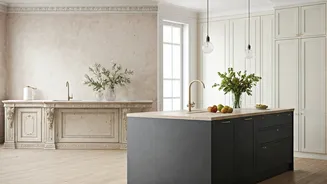
While uniformity can sometimes be appealing, experts now suggest that matching your kitchen island's color and finish precisely to your perimeter cabinets can result in a monotonous look. This lack of contrast can cause the island to blend in, diminishing its potential as a distinct design feature. Introducing a contrasting color or finish for the island can introduce depth, visual intrigue, and a more personalized, custom-built feel to your kitchen space.