





An Intriguing Biological Shield
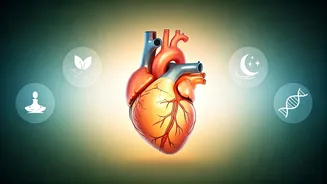
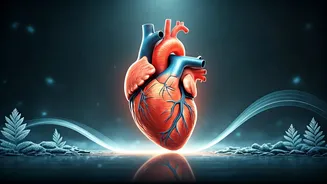
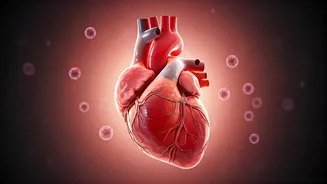
The human heart stands out as one of our body's most formidable defenses against the development of cancer. This remarkable resilience, according to cardiologists,
stems from the very nature of its muscle cells. Unlike many other tissues that readily divide and multiply, the heart's specialized cells exhibit very limited division after early life. This infrequency of cell division is a crucial factor because it significantly reduces the opportunities for the genetic mutations that can lead to uncontrolled cancerous growth. Furthermore, the heart operates in a dynamic, high-energy environment, a state that appears intrinsically hostile to the formation and progression of tumors. Consequently, cancers originating within the heart, known as primary heart cancers, are exceedingly rare, a phenomenon that even seasoned cardiologists may encounter only a handful of times throughout their careers. This inherent protective mechanism is a testament to the heart's sophisticated biological design, setting it apart from organs like the lungs, colon, breast, and prostate, which are far more susceptible to developing cancerous tumors.
Shared Vulnerabilities Unveiled
While the heart possesses an impressive natural resistance to cancer, it's crucial to understand that this does not render it entirely immune to the consequences of our lifestyle choices. In a fascinating parallel, the very habits that elevate the risk of developing various cancers also significantly contribute to the likelihood of heart disease. These shared risk factors include detrimental practices such as smoking, maintaining an unhealthy weight through obesity, adhering to a poor diet, leading a sedentary lifestyle characterized by physical inactivity, and enduring chronic inflammation within the body. Cardiologist Dr. Dmitry Yaranov emphasizes that despite the heart's inherent cancer-fighting capabilities, its overall health remains highly susceptible to the way we live our lives. Therefore, safeguarding the heart and actively working to reduce cancer risk often necessitate adopting the exact same beneficial lifestyle changes. This interconnectedness highlights the importance of a holistic approach to well-being, where decisions made to protect one aspect of health invariably benefit another.