







Crafting Kanjika: The Basics
Embark on the journey of creating Kanjika, a delightful fermented beverage originating from Odisha, renowned for its digestive prowess and natural gut
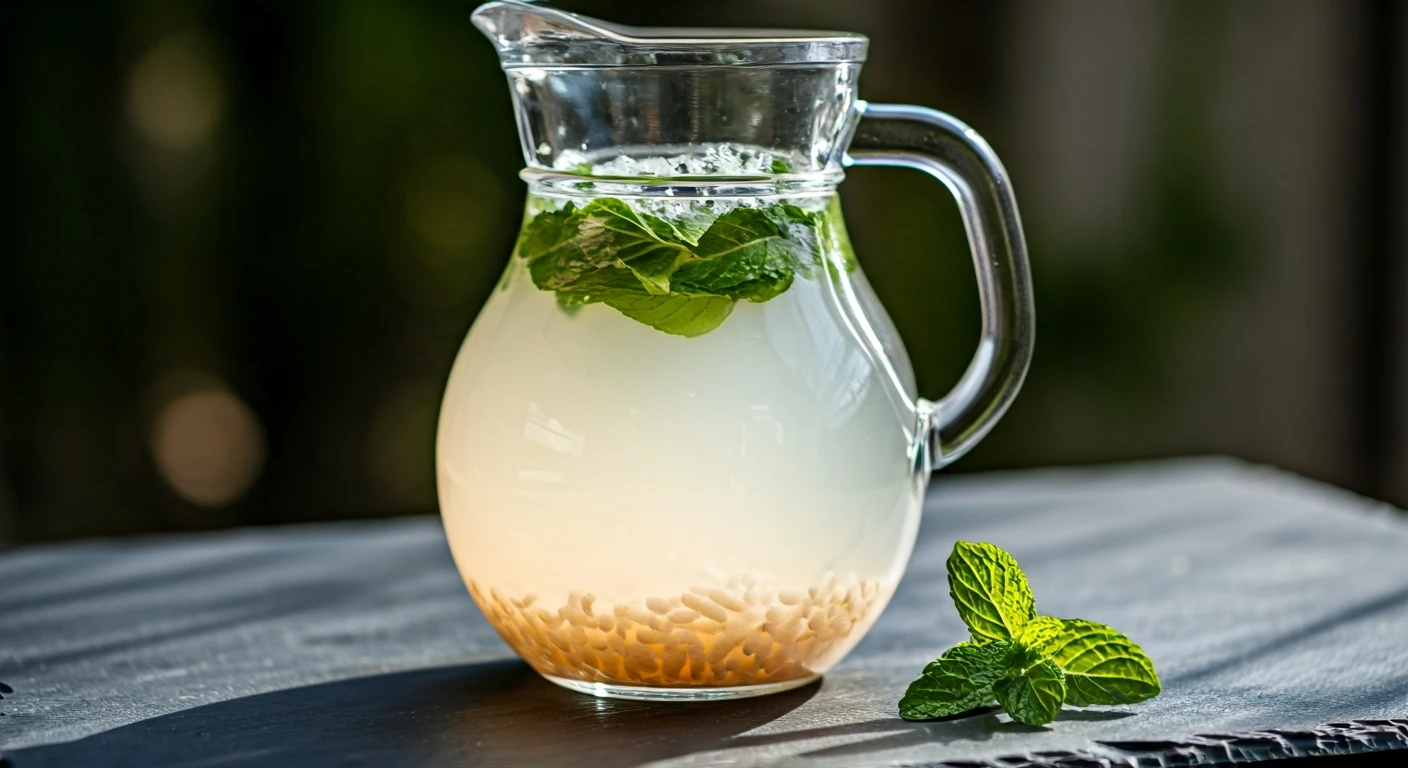
health support. The initial step involves cooking rice and carefully collecting the excess water once the grains are tender. This liquid is then set aside to cool completely, a crucial phase before the transformation begins. Following this cooling period, the collected rice water is transferred into a clean vessel, preferably made of glass or earthenware, to facilitate the fermentation process. This container is then loosely covered, allowing for natural air exchange, and left undisturbed at room temperature for approximately 24 hours. The magic of fermentation unfolds during this time, where beneficial microorganisms begin their work, subtly altering the water's character and preparing it for consumption.
The Art of Fermentation & Flavor
Once the initial 24-hour fermentation period concludes, a simple yet vital check is performed: sniffing the liquid. A pleasant, mild tangy aroma is the tell-tale sign that the Kanjika is ready for its next stage. This tangy essence is a direct result of the lactic acid fermentation process, a natural phenomenon that imbues the drink with its characteristic flavor and probiotic qualities. To enhance its appeal, a light tempering is introduced. This involves heating a small amount of oil in a pan and adding mustard seeds, allowing them to splutter. Subsequently, finely chopped green chilies and fresh curry leaves are added, cooked briefly until fragrant. This aromatic mixture is then gently incorporated into the fermented rice water, along with a pinch of salt to balance the flavors. The result is a harmonious blend, ready to be enjoyed as a refreshing and beneficial beverage.
Tips for Perfect Kanjika
Achieving the ideal Kanjika requires attention to a few key details, ensuring both flavor and functionality. Foremost is allowing adequate time for natural fermentation; loosely covering the container is essential to permit the necessary air circulation for beneficial bacteria to thrive. The development of a mild tangy scent is the primary indicator of readiness. Maintaining impeccable hygiene is paramount, so always opt for meticulously cleaned glass or earthen containers to prevent unwanted microbial growth and ensure a pure fermentation. It's also wise to avoid over-fermenting, as this can lead to an excessively sour taste; around 24 hours typically suffices in warmer climates. Incorporating a simple tempering of mustard seeds and curry leaves significantly elevates the taste without adding heaviness, preserving the drink's light nature. Ultimately, keeping the ingredient list focused and simple allows the natural, subtle flavors of the fermented rice water to shine through, creating a balanced and palatable experience.
Nutritional Insights & Benefits
Kanjika is more than just a beverage; it's a functional drink that offers tangible health advantages. According to data published by the USDA, a single glass provides essential hydration along with a significant dose of natural probiotics, cultivated during its fermentation process. This makes it an exceptionally beneficial summer drink. Nutritionally, a typical glass contains approximately 60 calories, with 12 grams of carbohydrates, 1 gram of protein, and 1 gram of fat. It also offers 40 mg of sodium and 90 mg of potassium. The benefits are amplified by its individual components: rice water offers light energy and hydration, the fermentation process introduces gut-friendly probiotics, mustard seeds contribute to flavor and digestive aid, curry leaves add freshness and nutrients, and green chilies provide a mild, warming spice. This synergistic blend makes Kanjika a holistic choice for well-being.
Kanjika vs. Other Drinks
When comparing Kanjika to other common beverages, its unique position becomes clear. Unlike plain rice water, which is non-fermented and offers only basic hydration and a neutral taste, Kanjika undergoes a transformation that results in a distinct, slightly tangy flavor profile due to natural fermentation. While buttermilk is also fermented, it is a dairy-based drink with a tangier, sometimes creamier texture, and Kanjika offers a lighter, less dense alternative. Crucially, Kanjika distinguishes itself by its rich content of natural probiotics, which are absent in plain rice water, contributing directly to gut health and digestion. Its gentle, refreshing taste and thin texture make it a particularly suitable choice for warm weather, offering a unique fermented note that is both subtle and satisfying, unlike the more pronounced flavors of some other fermented drinks.