






Initial Challenges Faced
The U-19 World Cup semi-final between India and Pakistan presented several obstacles for the Indian team from the start. Although they were a strong contender,
the team didn't play their A game, indicating that there was some pressure. Pakistan was a formidable opponent, known for their competitive play, which added to the difficulties. This meant the Indian team needed to adapt and overcome challenges that arose during the match. Despite these hurdles, India maintained its focus, which was crucial for their victory. This underscores the importance of mental fortitude and strategic adjustments. India's approach emphasized perseverance and the team spirit that helped them to push through to their well-deserved success in the semi-final.
Key Strategic Moves
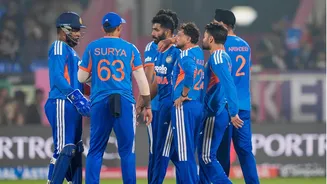
Throughout the match, the Indian team's strategic decisions played a vital role in turning the tide. The team implemented targeted bowling changes, a tactic that disrupted Pakistan's batting order and led to crucial wickets. Field placements were also adjusted strategically to block runs and increase pressure on the opposing batsmen. Understanding the importance of adaptability, the team modified their game plan as needed in response to Pakistan's moves. The coaching staff’s inputs were also critical, providing guidance and making tactical decisions that ensured India's success. These calculated moves, along with the players' ability to execute the strategies effectively, were instrumental in securing the win and driving the team towards the final. These strategies highlighted the depth of the team's preparation and their capacity to perform under pressure.
Performance Highlights
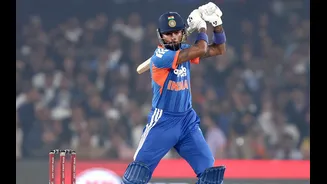
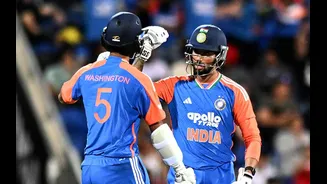
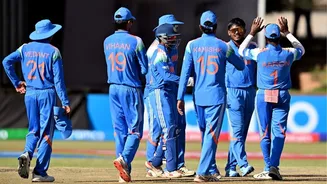
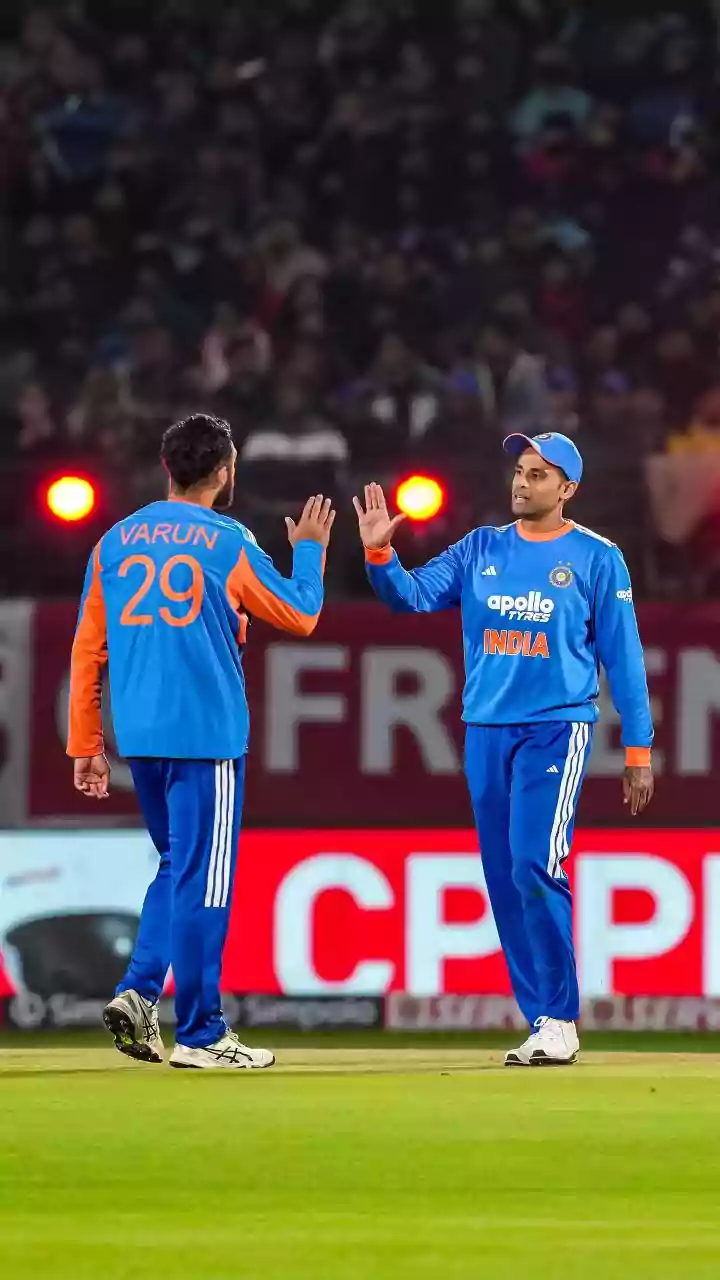
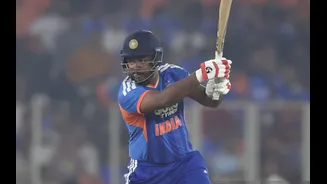
Several Indian players delivered outstanding performances, contributing significantly to the team's victory. The bowlers managed to put pressure on Pakistan's batting lineup through consistent line and length, which resulted in early breakthroughs. The fielding unit was highly active, with sharp catches and run-outs that shifted momentum in India's favor. The batting effort was steady, with key partnerships contributing to a competitive total. Individual performances were consistently highlighted, as each player made contributions with their skills. Every player's performance contributed to the team's overall success, with a blend of batting, bowling, and fielding that ensured India’s place in the final. These individual efforts underscored the collective strength and determination of the team.
Pakistan's Response
Facing India, the Pakistan team also displayed a commendable effort, showcasing the intensity of the rivalry. Their batsmen played aggressively at times, making sure to test India's bowling and fielding. The Pakistan bowlers tried their best to restrict India's scoring rate, employing various strategies to challenge their opponents. Despite their best efforts, Pakistan struggled to gain a significant advantage, and their inability to build long partnerships was a key factor in the outcome. The match highlighted the competitiveness between both teams, even if Pakistan did not have the edge. Their display of grit and determination, however, emphasized the high stakes and the historical context of the India-Pakistan rivalry. Ultimately, it was India's strategic play and composure that gave them the edge.
The Semifinal Victory
India's victory in the semi-final was a culmination of skill, strategy, and resilience. The team fought hard, especially when the match was competitive. Every player on the team demonstrated their commitment. The win was significant because it placed the team in the final, showcasing their journey of hard work and teamwork. The victory brought immense joy to fans across India. It also provided inspiration to young cricketers and fans, boosting their confidence. India's performance was a symbol of hope. This match has been considered a major step toward greater recognition. The team's successful outcome demonstrates the culmination of all their efforts.