





The Allure of Zarda
Shahi Zarda Pulao is celebrated not merely as a dish, but as an emblem of festivity and grandeur in North Indian culinary traditions. Its name, derived
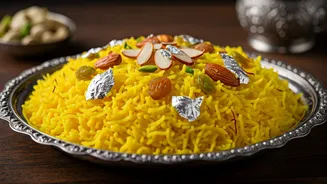
from the Persian word for yellow, perfectly captures its visually stunning, golden hue, often achieved through the delicate infusion of saffron or food colouring. While it appears intricate and luxurious, it's a dessert ingeniously prepared from common pantry staples. Traditionally served during significant events like weddings and Eid, this sweet rice preparation offers a delightful departure from savory pulaos. It harmoniously blends aromatic spices, creamy milk, sweet sugar, rich ghee, and the textural contrast of nuts and dried fruits, resulting in a dessert that is both a feast for the eyes and the palate. Many home cooks might perceive its preparation as complex, but with clear instructions and a patient approach, mastering this regal dish becomes an achievable culinary endeavor, promising to impress at any gathering.
Key Ingredients Unveiled
To recreate the magic of Shahi Zarda Pulao, a specific set of ingredients is essential. The foundation is 1 cup of high-quality Basmati rice, chosen for its long grains and delicate aroma. Sweetness is provided by approximately 1/2 cup of sugar, which can be adjusted to individual preference. For richness and a creamy consistency, 1/2 cup of full-cream milk and 4 to 5 tablespoons of ghee are indispensable. The signature color and fragrance come from saffron strands, typically steeped in warm milk, although orange food coloring can be a quicker alternative. Whole spices like 4 to 5 green cardamom pods and 4 to 5 cloves add aromatic depth. A teaspoon of lemon juice helps maintain the rice's brightness and prevents clumping. For delightful texture and garnish, a mix of cashews, almonds, and raisins is required, with optional additions like dried coconut pieces. Finally, 2 tablespoons of khoya (mawa) and 2 tablespoons of tutti-frutti contribute additional flavor and a festive visual flair.
Crafting the Rice Base
The initial step in preparing Shahi Zarda Pulao involves meticulously preparing the Basmati rice. Begin by thoroughly washing 1 cup of Basmati rice, then let it soak in water for a period ranging from 30 to 60 minutes. This soaking process helps the grains elongate and cook more evenly. In a spacious pot, bring a generous amount of water to a rolling boil. Infuse this boiling water with the aromatic elements: add the saffron strands (or food coloring), cardamom pods, cloves, and the teaspoon of lemon juice. Carefully introduce the soaked rice into this fragrant, spiced water. The rice should be cooked until it reaches approximately 90% doneness; it should be tender but still retain a slight bite. Once cooked to this stage, meticulously drain all the excess water from the rice. The partially cooked rice should then be set aside, ready for the subsequent layering and cooking stages.
Preparing the Festive Toppings
While the rice is being prepared, it's opportune to focus on the accompanying elements that lend Shahi Zarda Pulao its distinct texture and visual appeal. Take a heavy-bottomed pan or a kadhai and heat 4 to 5 tablespoons of ghee over medium heat. Once the ghee is warm, carefully add your chosen dry fruits. This typically includes cashews, almonds, raisins, and optional dried coconut pieces. Gently fry these ingredients until they achieve a light golden-brown color. It is crucial to monitor them closely to prevent them from burning, which would impart a bitter taste. After lightly frying, remove the dry fruits from the ghee and set them aside in a separate dish. These golden nuggets will later be incorporated into the pulao for a delightful crunch and rich flavor.
Building the Sweet Syrup
Following the preparation of the dry fruits, the focus shifts to creating the sweet, aromatic syrup that will bind the pulao together. In the same pan where the dry fruits were fried, add a little more ghee if necessary. Introduce fresh cardamom pods and cloves into the warm ghee to further enhance the fragrance. Next, add approximately 1/2 cup of sugar to the pan. Pour in the 1/2 cup of full-cream milk. Stir this mixture gently and allow it to cook for about two minutes. During this time, the sugar will dissolve, and the milk will slightly thicken, forming a fragrant, syrupy base. This sweetened milk mixture will be crucial for infusing the rice with its characteristic sweetness and rich flavor profile.
Layering for Flavor Infusion
With the rice partially cooked and the sweet syrup ready, the next step is the careful layering process that ensures even flavor distribution. Begin by spreading a layer of the 90% cooked rice over the prepared milk and sugar mixture in the pan. Sprinkle a portion of the fried dry fruits over this rice layer, along with a bit of additional sugar if desired for an extra sweet touch. Continue this process by adding another layer of rice, followed by more fried dry fruits. The topmost layer should consist of rice. Once the rice is layered, generously add the 2 tablespoons of khoya (mawa) and the 2 tablespoons of tutti-frutti over the final rice layer. For added moisture and richness, drizzle a small splash of milk and a bit more ghee over the top. Finally, cover the pan tightly with a lid to trap the steam.
The Art of 'Dum' Cooking
The final stage of preparing Shahi Zarda Pulao is the 'dum' cooking method, which allows the flavors to meld together perfectly. After layering all the ingredients and sealing the pot with a lid, place the pan over a very low flame. Allow the pulao to cook on this low heat for approximately 3 to 5 minutes. This gentle cooking process allows the moisture to distribute evenly, the rice to absorb the sweet syrup, and all the aromatic elements to harmonize. The low heat ensures that the dish cooks without scorching. Once the 'dum' cooking is complete, let the pulao rest for a moment before gently mixing it. This careful mixing should be done to avoid breaking the delicate rice grains. Before serving, garnish generously with the remaining fried dry fruits for an enhanced presentation and textural contrast. This final step elevates the dish into a truly royal dessert.