



A Victorian Enclave
Shekhar Suman’s residence in Mumbai is far more than just an opulent dwelling; it's a testament to a life lived, filled with nostalgia and personal history.
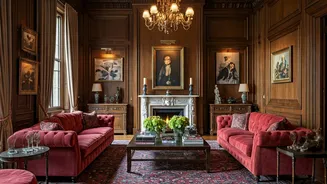
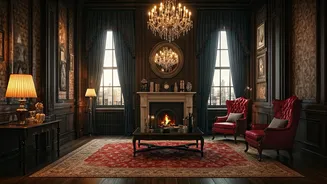
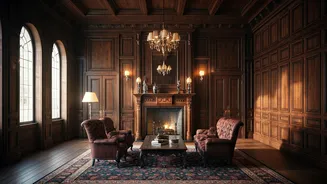
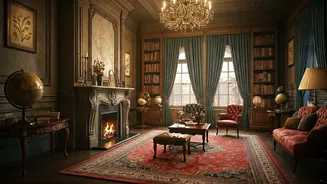
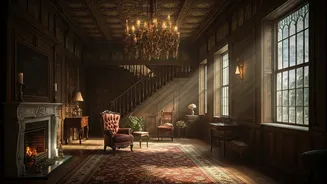
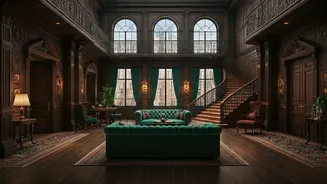
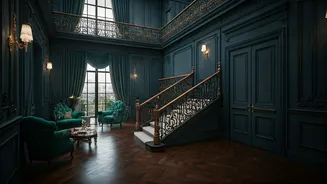
This spectacular four-storey Victorian-style penthouse, meticulously crafted in collaboration with his wife Alka, successfully transports the ambiance of England to the bustling heart of Mumbai. The design thoughtfully integrates classic English aesthetics with elements that are deeply personal, featuring soothing pastel colour schemes, treasured antique furnishings, distinctive collectables, and carefully selected mementos from global travels. The interior design orchestrates a dramatic visual experience, showcased through elegant chandeliers, ornate carved pillars, and a picturesque balcony offering sweeping views of both the sea and the surrounding hills. Farah Khan, upon her initial visit, was so struck by the transformation that she exclaimed her disbelief at finding such a unique property within Lokhandwala, even extending her astonishment to the broader Mumbai landscape, suggesting one would believe they had landed in London.
Family's True Essence
Despite the captivating grandeur of his Victorian-style penthouse, Shekhar Suman firmly believes that the true heart of any home lies not in its size or décor, but in the warmth and presence of its inhabitants. He eloquently articulates that regardless of how elaborately a house is designed or how vast its dimensions, its ultimate essence is derived from the family that resides within it. Suman draws a poignant contrast, emphasizing that a luxurious or expansive structure loses its significance if it lacks the vital element of familial connection. This perspective underscores a profound understanding of what constitutes a true home – a place built on shared experiences and emotional bonds, rather than solely on aesthetic appeal or material wealth.
Living Room's Charm
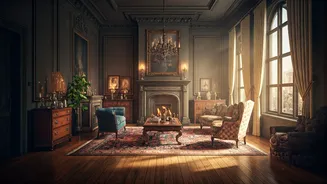
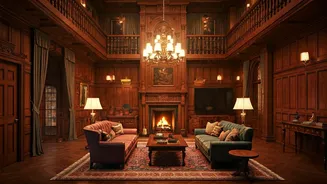
The living room serves as the central nexus of Shekhar Suman's penthouse, harmoniously uniting its various design elements. It features plush, inviting seating arrangements and a striking fireplace-style console that exudes vintage charm, complemented by a layered approach to décor. Illumination is artfully managed through a combination of elegant chandeliers, ambient table lamps, and subtle wall lighting, collectively casting a warm and inviting glow throughout the space. Thoughtfully positioned decorative accents, including bust sculptures, artistic vases, and framed artworks, imbue the room with a curated, gallery-like atmosphere. Expansive glass doors seamlessly connect the indoor elegance with the tranquil outdoor environment of the balcony, blurring the lines between interior and exterior. A particularly noteworthy feature is the intricately designed antique chessboard, which transcends its functional purpose to become a significant collectable, showcasing Shekhar’s appreciation for detailed craftsmanship through its sculptural pieces and beautifully carved table legs.
Serene Bedroom Retreat
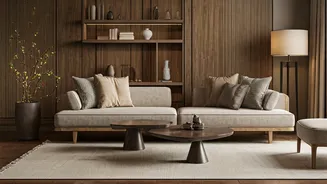
Transitioning from the living area's visual richness, the bedroom offers a profoundly calming and hotel-like sanctuary. The focal point is a neutrally toned bed, set against a sophisticated panelled wooden backdrop, with identical bedside tables and classic lamps flanking it, emitting a soft, golden light. Large framed mirrors positioned on either side of the bed enhance the sense of space, while personal photo frames introduce an intimate and homely touch. The colour palette intentionally leans towards muted tones – encompassing ivory, beige, and pale wood – to cultivate an atmosphere of serenity and uncluttered simplicity, promoting relaxation and restful repose.
Balcony's Urban Oasis
In striking contrast to the refined interiors, the balcony presents a more relaxed and refreshing ambiance. This outdoor space is thoughtfully adorned with an array of potted plants of various sizes, creating the effect of a compact urban garden. It provides a welcome respite, offering a breath of fresh air and a connection to nature amidst the city's urban sprawl. This area serves as a delightful extension of the home, providing a more casual setting to unwind and enjoy the surroundings, balancing the sophisticated indoor design with a touch of natural, unpretentious charm.
Aesthetic Influences
Shekhar Suman attributes many of his design choices to the influence of his wife, Alka, revealing a long-held aspiration. He shares that during their travels to England, a desire for a home embodying such a distinct style began to form. He acknowledges that living with Alka, who possesses a keen eye for design and excellent taste, has naturally influenced and refined his own aesthetic sensibilities over time. This collaborative influence underscores how shared living experiences and a partner's refined taste can shape personal style and contribute significantly to the creation of a home that reflects the couple's combined vision and appreciation for beauty and design.
Treasured Objects
Within Shekhar Suman's residence, even seemingly ordinary objects carry profound stories and personal significance. He points to the antique chessboard in the living room as a prime example, recalling its purchase from New York and its substantial cost, emphasizing that its acquisition was driven by its unique appeal rather than just its price. These carefully chosen items serve as more than just décor; they function as repositories of memories, aspirations, and the evolving identity of the household. They illustrate how personal belongings can imbue a living space with layers of meaning, transforming it into a narrative tapestry that speaks to the life experiences and values of its occupants.
Mood & Well-being
The interplay between a home's design elements and its occupants' mental state is a significant area of study. Colours, lighting, and décor choices profoundly influence mood because the brain constantly evaluates its surroundings for both safety and stimulation. Research in environmental psychology indicates that colours can directly impact emotional arousal; cool tones like blues and greens tend to calm the nervous system, whereas vibrant warm colours might heighten alertness or induce anxiety, aligning with Arousal Theory. Furthermore, lighting plays a crucial role through the Circadian rhythm. Exposure to natural light can elevate serotonin levels and improve emotional regulation, while inadequate lighting can contribute to low moods, a phenomenon observed in conditions like Seasonal Affective Disorder. The style of décor also matters; intricate designs, such as Victorian aesthetics, can evoke comfort but may also feel mentally taxing due to the increased cognitive processing required, as explained by Cognitive Load Theory. Ultimately, spaces that resonate with an individual's identity and offer a balanced sensory experience are conducive to enhanced psychological well-being.
Overwhelming Interiors
Highly ornate or detailed interiors can indeed feel overwhelming for some individuals. This sensation arises because the brain is required to process a substantial amount of visual information simultaneously. According to Cognitive Load Theory, an excessive use of intricate patterns, varied textures, and numerous decorative elements increases the mental effort needed for perception. This heightened cognitive demand can lead to feelings of fatigue, irritability, or even restlessness, particularly for those already experiencing stress. Such environments might demand more from our cognitive resources, potentially leading to a sense of being mentally overloaded if not managed carefully.
Balancing Richness
Despite the potential for ornate interiors to be overwhelming, they can still be perceived as warm and aesthetically pleasing when balanced effectively. Creating contrast is a key strategy; pairing intricate design elements with simpler, neutral areas allows the mind to rest and find visual respite. Minimizing the number of focal points helps prevent visual competition, ensuring that the eye is not overwhelmed by too many competing elements. Employing softer lighting can also contribute to a more soothing and less intense atmosphere. Importantly, selecting décor that holds personal meaning enhances comfort, reinforcing the concept of Place Identity. A thoughtfully balanced space ensures that while visual richness is present, psychological ease and comfort are also prioritized, creating an environment that is both stimulating and calming.