
Pizza Base Perfection
The cornerstone of any great pizza is its base. While traditional pizza bases often lack nutritional value, this recipe champions a healthier approach.
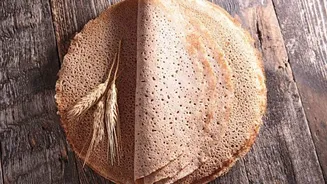
Experimenting with whole wheat flour or cauliflower for the base can lead to significant changes in nutritional content. Alternatively, protein-rich options such as a high-protein flour blend will work. Remember, the base directly impacts the overall healthiness of the pizza. If you're using pre-made dough, review the ingredients and try to choose one that has more fiber and less sodium. This also gives a chance to control the toppings, creating a protein-rich, flavourful and nutritious meal. The goal is a foundation that complements your protein-packed toppings and ensures a balanced meal.
Protein Powerhouse Toppings
To transform your pizza into a protein powerhouse, focus on toppings rich in protein. Consider using lean meats like grilled chicken, turkey, or even lean ground beef. Adding plenty of these ingredients boosts the pizza's protein content significantly. For vegetarians, options like paneer, tofu, or tempeh are excellent choices. Furthermore, don't shy away from incorporating beans or lentils. These toppings not only deliver a protein punch but also add fiber and other essential nutrients. Strategic topping selection is essential to achieving that 25-gram protein goal. Remember to portion your ingredients thoughtfully, ensuring each slice contributes meaningfully to your protein intake. The right toppings are the key to a satisfying and nutritious pizza.
Cheesy, but Healthy
Cheese is a beloved pizza topping, but it can also be a source of saturated fat. To make your pizza healthier, opt for low-fat cheeses like part-skim mozzarella or reduced-fat cheddar. Use cheese judiciously to keep the calorie and fat content in check. Another smart approach is to use a smaller amount of cheese, spreading it thinly over the pizza to cover the entire surface while still providing flavour. Adding a sprinkle of nutritional yeast can mimic the cheesy flavor and provide additional nutrients, including B vitamins. Careful cheese selection and portioning help balance the pizza's flavour and nutritional profile. Remember, a little cheese can go a long way when paired with protein-rich toppings and a healthy base.
Sauce and Veggie Boost
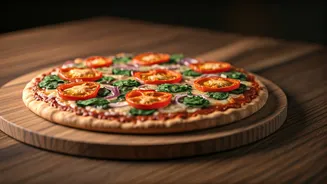
The sauce and vegetables contribute significantly to the pizza's flavor and nutritional value. Choose a tomato-based sauce with no added sugar or excessive sodium. You can make your own sauce, which allows you to control the ingredients and add herbs for extra flavour. Load your pizza with a variety of colorful vegetables, such as bell peppers, mushrooms, onions, spinach, and olives. Vegetables contribute essential vitamins, minerals, and fibre. Roasting or sautéing your vegetables before adding them to the pizza can enhance their flavour and texture, transforming your pizza into a more delicious dish. This strategic combination of sauce and vegetables adds both flavour and critical nutrients to the pizza. This also ensures a satisfying meal packed with essential elements for overall well-being.
Baking and Enjoying
When it comes to baking, follow the directions for your chosen base. Usually, preheating your oven to the recommended temperature will help guarantee a crisp crust and evenly cooked toppings. Keep an eye on the pizza as it bakes, as cooking times can vary depending on the oven and the thickness of the base. Once the cheese is melted and bubbly and the crust is golden brown, your protein-packed pizza is ready. Let the pizza cool slightly before slicing and serving. This allows the ingredients to settle and makes it easier to cut. Enjoy the fruits of your labor knowing that each slice contributes to your fitness objectives. The combination of protein, healthy fats, and vegetables guarantees a guilt-free and nourishing pizza experience, perfectly designed to fit your goals and satisfy your appetite.