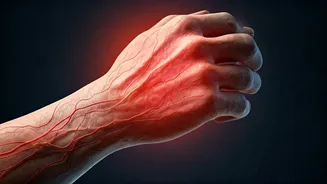

What is CRPS?
Complex Regional Pain Syndrome (CRPS) is a chronic pain condition usually affecting an arm or a leg. The intensity of pain can be significantly disproportionate
to the severity of the initial injury, which may have triggered the condition. Even a minor injury might result in severe, long-lasting pain. CRPS commonly manifests after trauma, surgery, stroke, or heart attack. The pain is described as burning, stabbing, or throbbing. CRPS can bring additional symptoms, including skin color or temperature changes, swelling, and altered nail and hair growth. Although the precise mechanisms are not completely understood, CRPS is believed to involve the dysfunction of the central and peripheral nervous systems. Unfortunately, CRPS can't be completely prevented, highlighting the importance of early diagnosis and management to mitigate the impact of this chronic pain condition.
Symptoms Beyond Injury
CRPS presents a range of symptoms that go beyond typical injury responses. These include excruciating pain, often described as burning or throbbing, that can be disproportionate to the original injury. Changes in skin color, temperature variations (often resulting in the affected limb feeling unusually cold or hot), and swelling are also common indicators. Further, patients may experience alterations in nail and hair growth patterns, with the affected limb potentially displaying faster or slower growth compared to the unaffected one. Moreover, there can be significant sensory changes, where the affected area becomes extremely sensitive to touch (allodynia) or experiences heightened sensitivity to pain (hyperalgesia). The presence of these diverse symptoms, and their persistence, distinguishes CRPS from regular injury recovery and highlights the need for careful diagnosis and specialized management.
Why the Pain?
The pain in CRPS is remarkably severe, frequently exceeding what one might expect from the original inciting event. This elevated pain level occurs because of the complex interplay of several factors within the body. The nervous system, both central and peripheral, undergoes modifications which amplify pain signals. Inflammatory processes also play a key role, leading to further sensitization of pain receptors and making the affected area exceptionally sensitive. Furthermore, the autonomic nervous system is often affected, resulting in abnormalities in blood flow, which in turn leads to temperature and color changes in the skin. These combined issues contribute to a cycle where even minor stimuli can trigger excruciating pain. Addressing this complex pain requires multimodal therapies that target nerve function, inflammation, and autonomic dysregulation to improve patients' quality of life.
Diagnosis and Treatment
Diagnosing CRPS relies on a combination of patient history, physical examination, and, sometimes, specific diagnostic tests. There are no definitive tests to confirm CRPS; therefore, doctors frequently use the Budapest criteria, which assess sensory, motor, autonomic, and trophic changes. Early diagnosis is essential for optimal treatment outcomes. Treatment approaches for CRPS are multifaceted and customized according to each patient's requirements. These interventions may include physical therapy to maintain or restore limb function and to mitigate pain. Medication, such as analgesics, nerve blocks, and anti-inflammatory drugs, are often employed to manage pain. In advanced cases, more invasive treatments like spinal cord stimulation or intrathecal drug delivery may be considered. Psychotherapy and support groups can also play vital roles by helping patients manage chronic pain and improve their emotional well-being.