





Honey: Is It Sugar?
When embarking on a journey to minimize sugar intake, natural sweeteners often become a focal point of discussion. Honey, with its perceived wholesome
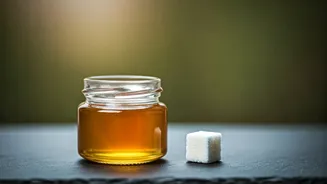
origins, frequently raises the question of its place in a sugar-free diet. Clinical experts clarify that honey is, in essence, a sugar. Its fundamental makeup consists of simple carbohydrates: glucose and fructose. Therefore, individuals adhering to a strictly sugar-free regimen are typically advised to abstain from it. However, for those aiming to curb refined sugar consumption rather than eliminate sugar entirely, a slightly different perspective applies. In such cases, a small quantity of genuine, organic honey, consumed with discretion, might be permissible. While honey does possess minor nutritional advantages over refined sugar, including trace amounts of antioxidants, enzymes, and minerals, it's imperative not to view it as an unrestricted sweetener. Health professionals suggest that a modest intake of 1-2 tablespoons of organic honey occasionally can be integrated into a balanced diet, but it must be accounted for as an addition to your overall sugar consumption.
Honey vs. Refined Sugar
The perception of honey as a healthier alternative to refined sugar stems from several factors. Unlike highly processed table sugar, honey undergoes minimal processing and retains trace amounts of beneficial nutrients such as potassium, calcium, and iron. Dietitians note that honey offers marginal nutritional benefits over refined sugar. Furthermore, it generally possesses a lower glycemic index compared to standard table sugar, meaning it can lead to a more gradual increase in blood glucose levels. However, this distinction does not render honey entirely benign. It remains a simple carbohydrate that influences blood sugar. Consequently, excessive consumption of honey can still contribute to adverse health outcomes like weight gain or metabolic disturbances. Rather than simply swapping one sweetener for another, a more sustainable approach involves progressively decreasing your overall inclination for intensely sweet tastes.
Blood Sugar Impact
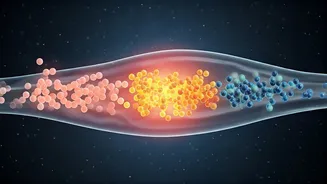
Similar to other sweetening agents, honey contains sugars that the body rapidly converts into energy. The presence of glucose and fructose in honey causes blood glucose levels to rise, though typically at a more moderate pace than refined sugar or jaggery. For individuals actively attempting to reduce sugar intake or manage their blood glucose, careful portion control is paramount. From a metabolic viewpoint, the body processes honey in much the same way as other sugars, making meticulous attention to serving sizes essential for maintaining health objectives. Understanding this metabolic response is key to integrating any form of sweetener into a health-conscious diet.
Sweet Alternatives
The most effective long-term strategy for managing sugar intake involves more than just substituting sweeteners; it's about retraining your palate to desire less sweetness overall. Cultivating a reduced preference for intense sweetness is a more sustainable path to dietary well-being. For those seeking alternatives, natural, low-calorie sweeteners such as Stevia or Monk fruit can be viable options for some individuals. Additionally, incorporating ingredients that naturally offer sweetness into recipes can be beneficial. Think about using dates, pureed bananas, or applesauce to add flavor and sweetness without contributing additional sugars. Furthermore, the strategic use of spices like cinnamon, cardamom, or vanilla can enhance the flavor profile of foods and beverages, providing a sense of sweetness without increasing sugar intake, thereby supporting a more enduring transition away from high sugar consumption.