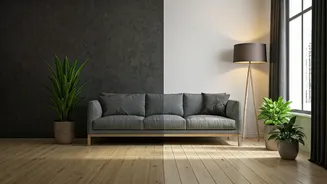

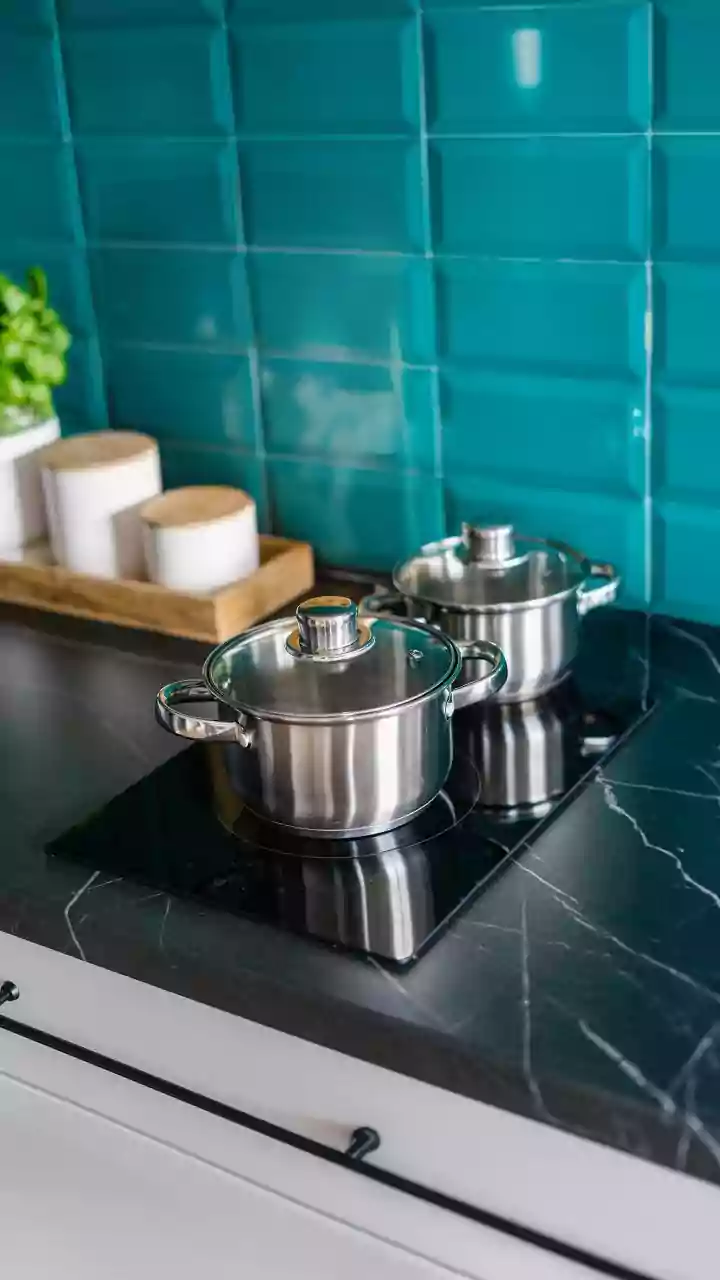



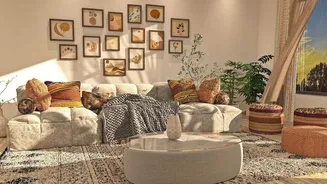
Embrace Biophilic Design
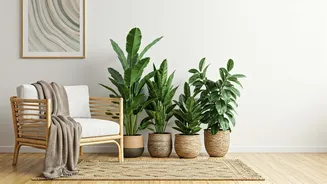
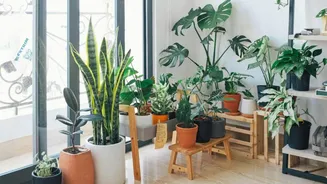
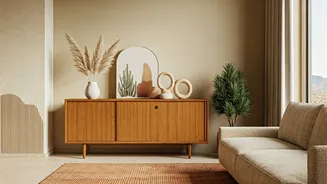
Integrate nature deeply into your home by adopting biophilic design principles. This involves using raw, natural materials like unfinished wood, stone,
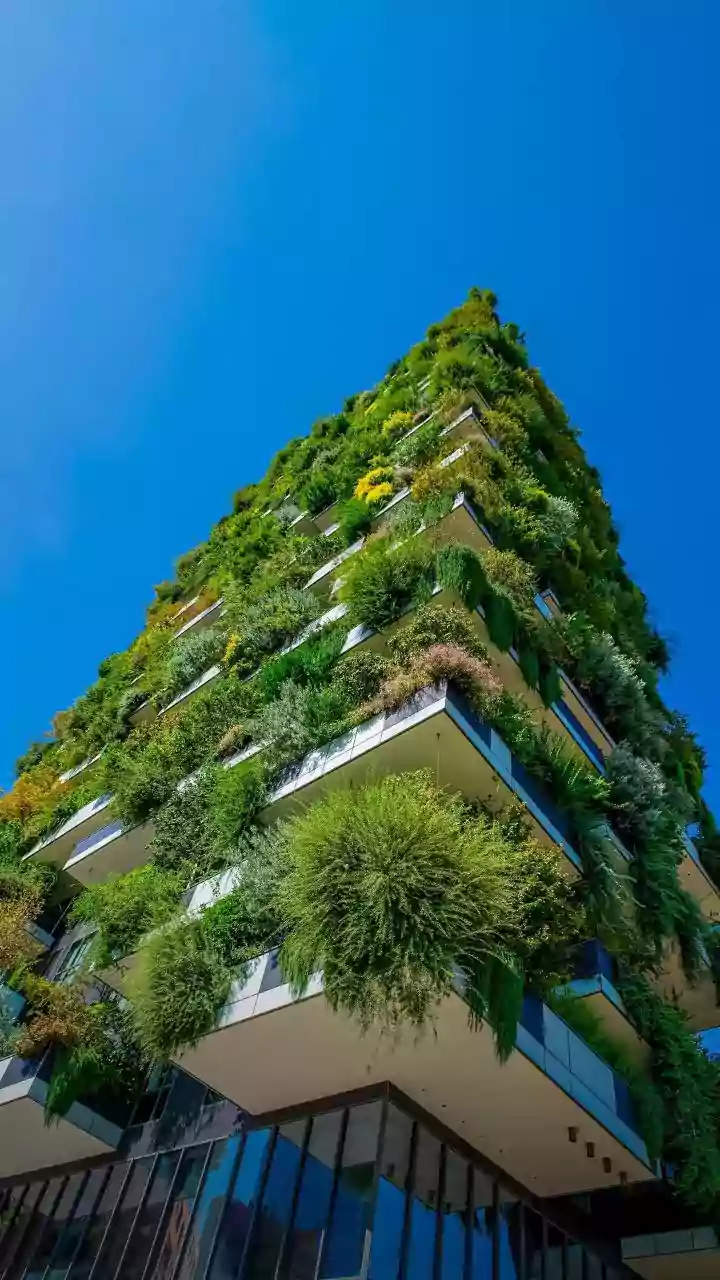
clay, and linen, celebrating their inherent textures and imperfections. Beyond materials, introduce elements that bring the outdoors in, such as lush vertical gardens, serene moss walls, or even miniature indoor trees. These living features not only enhance air quality but also significantly boost your mood and create a visually dynamic, grounding environment. The goal is to foster a tangible connection with the natural world, making your interior feel more alive and restorative, thereby combating feelings of staleness and improving the overall emotional comfort of your dwelling.
Master Light and Shadow
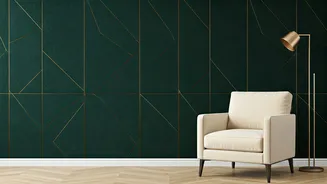
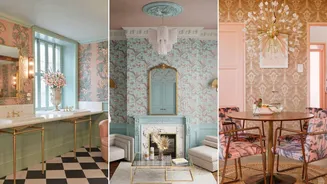
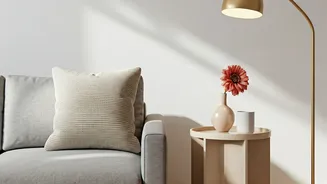
Revolutionize your home's atmosphere by strategically managing light. Move beyond harsh, direct illumination towards layered, indirect lighting that artfully mimics natural daylight. Maximize existing natural light by swapping heavy draperies for airy, sheer fabrics, ensuring windows are immaculately clean, and considering installations like skylights or sun tunnels to pour sunlight into your rooms. Complement this with functional, sculptural lighting fixtures – think statement chandeliers and lamps with striking forms – that cast a warm, inviting glow. Don't forget the power of mirrors; position them thoughtfully to bounce light into darker nooks, creating an illusion of greater space and brightness. This approach ensures your home feels consistently well-lit and welcoming, regardless of the time of day or external conditions.
Adopt Sun-Kissed Hues
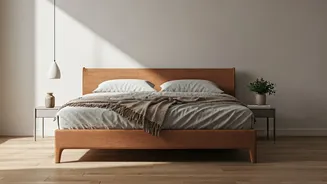
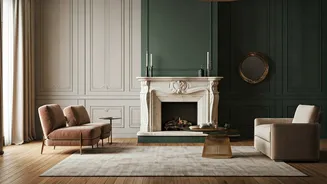
Transform your interiors with a 'sun-faded' color palette that evokes a sense of gentle, time-worn beauty. These colors are characterized by their muted, warm, and slightly dusty tones, appearing as if they've been softly bleached by the sun over years. This approach avoids jarring brightness, instead opting for a softer, more serene visual experience that naturally brightens the space. Think creamy whites, soft sandy beiges, and warm clay tones. The palette extends to earthy accents like terracotta, muted olives, gentle yellows, and subdued blues. For a truly immersive effect, consider applying a single, soft hue consistently across walls, ceilings, and trim, creating a cohesive and tranquil environment that feels both expansive and comforting.
Curate Consciously
Shift towards a 'sustainable by default' approach in your decor choices, focusing on longevity and environmental consciousness. This involves deliberately selecting antique furnishings, pieces crafted from reclaimed wood, or items made with recycled metals. Such choices not only reduce environmental waste but also imbue your living space with a unique character and history, representing a meaningful departure from disposable 'fast furniture.' By investing in durable, ethically sourced items, you create a home that tells a story and evolves gracefully over time, fostering a deeper connection with your belongings and surroundings. This mindful curation contributes to a more personalized and responsible interior design philosophy.
Infuse Gentle Clutter
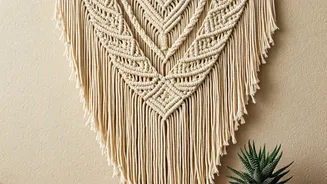
Create a warmer, more personal atmosphere by incorporating softer geometric shapes and thoughtfully curated personal items. Introduce rounded forms in your furniture, such as sofas, chairs, and tables with curved edges, which promote smooth visual transitions and a sense of gentle flow within the room. Swap out heavy textures for lighter, breathable materials like linen and cotton, and use rugs to add tactile interest without overwhelming the senses. Instead of filling your space with generic knick-knacks, adorn it with personal treasures and mementos collected over time. This approach to 'gentle clutter' ensures your home feels lived-in, inviting, and uniquely reflective of your personality and experiences, moving away from starkness towards a cozy, authentic ambiance.