




Origins as a Game
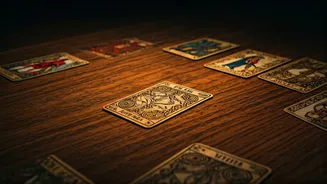
Contrary to popular belief, the cards we now know as tarot were not initially designed for fortune-telling or spiritual insight. Their journey began in 15th-century
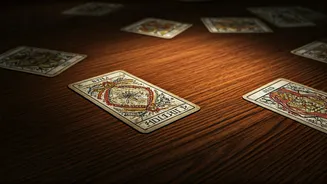
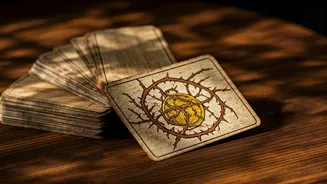
Italy, where they were called 'tarocchi.' This early form of tarot was part of a popular trick-taking card game enjoyed by the aristocracy, much like modern games such as Bridge. The decks themselves were elaborate, hand-painted luxury items, often commissioned by wealthy families, signifying their status as exclusive works of art rather than tools for divination. For centuries, these beautiful cards served purely as a means of entertainment and a pastime for the affluent, with no connection to the occult or future predictions.
The Mystical Shift
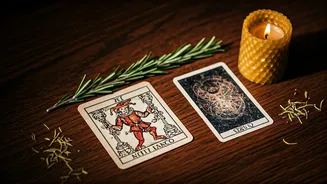
The transformation of tarot from a game to a tool of mysticism and divination was a gradual process that unfolded over many centuries. It wasn't until the 18th century that French writers and occultists began to imbue the cards with deeper, hidden meanings and connect them to ancient Egyptian wisdom. This period marked a significant turning point, where the symbolic potential of tarot was explored and amplified. This reinterpretation, however, led to the popularization of myths, such as the false claim that tarot originated in ancient Egypt, which further enhanced its mystical appeal despite lacking historical accuracy. For a considerable period, the cards were solely used for gameplay, with their association with foretelling the future emerging only much later in their historical trajectory.
Evolution and Reinvention
Throughout history, tarot cards have demonstrated a remarkable capacity for adaptation, continuously reinventing themselves to align with evolving cultural trends and societal interests. What started as an aristocratic pastime in Renaissance Italy evolved through centuries of changing perceptions and esoteric interpretations. The cards transitioned from being mere game pieces to becoming significant artifacts within occult practices. In more recent times, tarot has found a new role as a profound instrument for self-reflection and personal insight, serving as a powerful tool for introspection in the modern era. This continuous metamorphosis underscores the enduring relevance and versatility of tarot, showcasing its ability to resonate with different needs and understandings across various historical epochs.