





A Bed of Pests
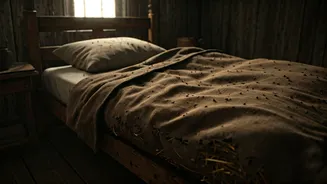
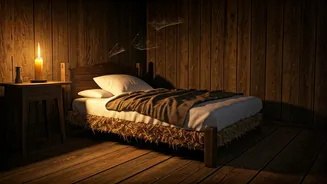
Imagine trying to rest while sharing your mattress with a lively population of insects. Three centuries ago, this was a common reality. Straw-filled mattresses,
combined with less frequent bathing and inadequate cleaning practices, created a haven for fleas, lice, and bedbugs. These tiny unwelcome guests made achieving a truly restful sleep an uphill battle, constantly interrupting slumber with itchy bites and general discomfort. The pursuit of a peaceful night was often a losing one when your bed itself was a bustling ecosystem of pests.
Communal Slumber Spaces
The notion of personal space in the bedroom was virtually non-existent 300 years ago. Beds were frequently shared not just among family members but sometimes even with guests or strangers. This communal sleeping arrangement meant privacy was a luxury few could afford. Social etiquette dictated who slept where, and the concept of an individual's private sleep sanctuary was simply not part of the cultural landscape. Sharing a bed with multiple people was the norm, a stark contrast to modern expectations of individual sleeping arrangements.
Livestock Indoors
Many households in the 1700s didn't just house people; they also accommodated farm animals within their living spaces. To protect them from the elements and potential predators, creatures like chickens and goats were often brought inside overnight. This practice introduced a cacophony of animal noises, an array of farm-like smells, and, unfortunately, a further influx of pests into the sleeping environment. The presence of livestock indoors added significant layers of disruption and unsanitary conditions to the already challenging sleeping conditions.
The Two-Phase Sleep Cycle
Modern society largely adheres to a single, consolidated block of sleep. However, historical accounts suggest a different pattern prevailed 300 years ago: segmented sleep. People would typically experience a 'first sleep,' followed by a period of wakefulness lasting an hour or two, before returning to a 'second sleep.' This mid-night awakening was a common occurrence, and people often engaged in quiet activities, contemplation, or prayer during this interlude. This biphasic sleep pattern was the norm, differing significantly from the continuous sleep we strive for today.
Rudimentary Bedding
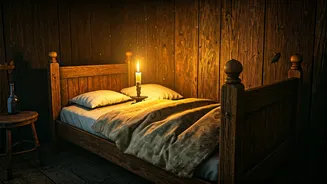
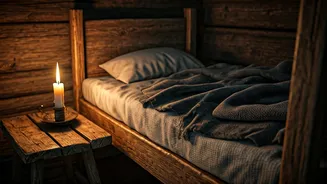
Comfort was a secondary consideration when it came to beds 300 years ago. Mattresses were frequently stuffed with straw, offering little in the way of cushioning or support. In many instances, people simply slept on the floor, enduring the chill and the hardness of the ground. These basic sleeping surfaces provided minimal insulation against cold drafts that permeated homes, especially during winter months. The sleeping arrangements were functional at best, prioritising basic shelter over any semblance of modern comfort.
Dark, Noisy Nights
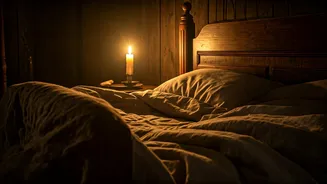
The absence of widespread electric lighting meant that nights were profoundly dark and often filled with apprehension. Beyond the fear of navigating in darkness, potential dangers like theft and the ever-present risk of fire from candles or open flames loomed large. Furthermore, the absence of soundproofing and the close proximity of living spaces meant that noises from within the household and from the surrounding environment were constant. These factors combined to create nights that were far from tranquil, contributing to a generally unsettling experience of slumber.