





Iron's Role in Heat
The sensation of being colder than others can often be traced back to insufficient iron levels within the body. Iron is absolutely crucial for the efficient
transport of oxygen to all your tissues, a process managed by hemoglobin. When iron is scarce, this oxygen delivery becomes less effective, which in turn can slow down the energy production within your cells' mitochondria. This reduction in metabolic activity directly impacts your body's ability to generate heat, a process known as thermogenesis. Furthermore, iron plays a supporting role in the metabolism of thyroid hormones. A deficiency can therefore lead to a lower basal metabolic rate, further contributing to a heightened sensitivity to cold environments and making you feel consistently chilly.
Body Fat's Insulation
Your body's natural insulation plays a significant role in how well you retain heat. Subcutaneous fat, the layer of fat just beneath your skin, acts as a critical thermal barrier. This layer effectively slows down the rate at which your body loses heat to its surroundings. When an individual has lower levels of body fat, this insulating layer becomes thinner. Consequently, heat dissipates more rapidly from the body because there's less protective tissue. Beyond insulation, fat tissue also serves as an energy reserve that can be utilized for metabolic heat generation (thermogenesis). So, with less body fat, both the body's ability to insulate itself and its capacity to generate heat can diminish, leading to a pronounced feeling of cold even in moderately temperate conditions.
Stress and Temperature
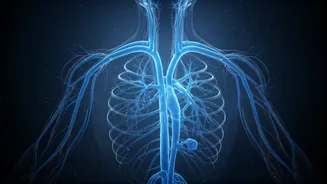
Chronic stress can profoundly impact your body's capacity to regulate temperature, primarily through hormonal mechanisms. Persistent stress triggers the activation of the hypothalamic-pituitary-adrenal (HPA) axis, leading to elevated levels of cortisol. This sustained increase in cortisol can disrupt various bodily systems, including metabolism and thyroid hormone signaling. It also enhances sympathetic nervous system activity. A key consequence of this stress response can be a reduction in blood flow to the extremities, a phenomenon known as peripheral vasoconstriction. This diminished circulation to the hands and feet means less heat reaches these areas, contributing to a feeling of coldness. Over time, these stress-induced physiological changes can collectively reduce overall heat production and increase your sensitivity to lower temperatures.