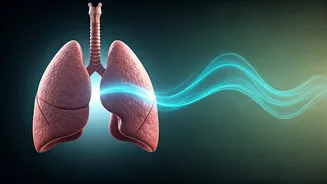







The Stress-Breath Connection
Our daily breathing, often unconscious and repetitive, can inadvertently keep our bodies in a constant state of tension. Modern life, with its demanding
work schedules, relentless digital engagement, and emotional pressures, contributes to this. These factors can manifest physically, leading to numerous lifestyle disorders with a strong psychosomatic component. Chronic stress and emotional strain don't just affect our minds; they profoundly influence the onset and progression of physical ailments. Understanding this link is the first step towards harnessing breath as a tool for well-being. By recognizing how our breathing patterns maintain an overactive sympathetic nervous system, we can begin to consciously shift towards a more balanced state that promotes healing and recovery.
Nervous System Harmony
At the core of stress management lies the autonomic nervous system, which orchestrates our body's involuntary functions. This system comprises two crucial branches: the sympathetic nervous system, responsible for the 'fight or flight' response, and the parasympathetic nervous system, which governs 'rest, repair, and recovery.' In today's fast-paced world, continuous mental pressure often leads to the sympathetic system becoming chronically overactive. This sustained activation results in elevated cortisol levels and contributes to persistent low-grade inflammation throughout the body. Over extended periods, this stress-induced inflammation can play a significant role in the development or exacerbation of various health issues, including hypertension, type 2 diabetes, thyroid imbalances, chronic pain, and digestive problems.
Breath: Your Stress Interruptor
The most remarkable aspect of breath is its immediate influence on our physiological stress response. Conscious and slow breathing serves as the quickest method to interrupt the stress cycle, effectively shifting the body from an overstimulated sympathetic state to a tranquil parasympathetic mode. This transition leads to a reduction in stress hormones, enhances blood circulation, and significantly supports the body's natural recovery processes. Clinical observations highlight that inefficient breathing patterns are remarkably prevalent, with studies indicating that between 60% and 80% of adults experiencing chronic stress exhibit some form of suboptimal breathing. This underscores the critical importance of conscious breathing in regaining equilibrium.
Diaphragmatic Breathing Technique
Diaphragmatic breathing, often referred to as belly breathing, is fundamental for efficient respiration. This technique encourages individuals to engage their diaphragm, the primary muscle for breathing, rather than relying solely on shallow chest breaths. To practice, inhale deeply through your nose, allowing your abdomen to expand outward. The benefits of this practice are far-reaching, including a notable reduction in heart rate, lower blood pressure, and an overall improvement in relaxation. By retraining the body to breathe from the diaphragm, we promote a more relaxed and oxygen-rich state, counteracting the effects of shallow, stress-induced breathing.
Box Breathing Mastery
Box breathing is a highly effective technique, frequently employed in high-pressure environments due to its straightforward and symmetrical rhythm. This method involves inhaling for a count of four, holding the breath for another four counts, exhaling for four counts, and then pausing for a final four counts before repeating the cycle. This structured pattern profoundly helps in steadying the breath and calming the mind. Its advantages include stabilizing heart rate, significantly reducing feelings of anxiety, and enhancing focus, making it an invaluable tool for navigating stressful situations with greater composure.
Alternate Nostril Balance
Alternate nostril breathing, a practice rooted in yogic traditions, involves consciously alternating the airflow between the left and right nostrils. This technique is instrumental in restoring both emotional equilibrium and neurological balance. The practice entails inhaling through one nostril while gently closing the other, and then exhaling through the alternate nostril before switching sides for the next breath. This coordinated movement encourages improved synchronization between the brain's two hemispheres, fostering a sense of calm and clarity.
4-7-8 Relaxation Method
The 4-7-8 breathing technique is renowned for its natural ability to relax the nervous system. This method involves inhaling deeply for a count of four, holding your breath for a sustained count of seven, and then exhaling very slowly for a count of eight. The extended exhalation phase is particularly potent, as it actively stimulates the vagus nerve, which plays a crucial role in promoting relaxation. This deliberate activation of the parasympathetic nervous system helps to effectively reduce anxiety and induce a profound sense of calm.
Humming Breath Benefits
Drawing inspiration from the yogic practice of Bhramari, humming breathing integrates a gentle vibrating sound into the exhalation process. The technique involves inhaling normally and then exhaling with a soft, continuous humming sound. This practice yields several significant physiological benefits. The humming action is believed to enhance nitric oxide production in the sinuses, improve sinus ventilation, and stimulate vagal tone, all of which contribute to a deeper and more profound sense of relaxation. This unique approach leverages sound to deepen the calming effects of breathwork.
Daily Breath Routine
Integrating breathwork into your daily routine doesn't require extensive time commitments to yield substantial benefits. Consider these practices as essential hygiene for your nervous system. A simple yet effective routine could include five minutes of practice upon waking, another five minutes before bedtime, and short two-to-three-minute sessions during moments of heightened stress. Regular practice of slow breathing demonstrably improves heart rate variability and optimizes oxygen delivery to the body, leading to enhanced cognitive functions such as better memory, improved focus, greater clarity, and increased productivity.