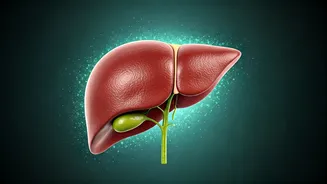







Can Fatty Liver Be Reversed?
The good news is that fatty liver disease, particularly in its early stages, is often reversible. The key lies in adopting and consistently following a healthier
lifestyle. A significant step involves weight management, as even a modest reduction can decrease the fat accumulated in the liver. A well-balanced diet rich in fruits, vegetables, and whole grains, while limiting fatty and sugary foods, is crucial for improving liver function. Regular physical activity, such as a daily 30-minute walk, also aids in recovery. Crucially, avoiding alcohol and minimizing the consumption of processed items are vital. Furthermore, effectively managing underlying conditions like diabetes and high cholesterol levels will contribute to better liver health. With dedicated care and consistent effort, the liver possesses a remarkable ability to heal and regain its normal function.
Liver-Friendly Foods
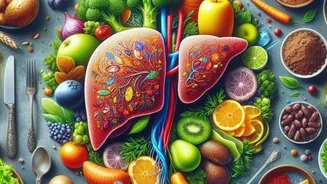
Nourishing your liver involves consuming foods that aid in its detoxification, protection, and overall support. Leafy green vegetables like spinach and cabbage are excellent for flushing toxins from the body. Fruits such as apples, papayas, and various berries are packed with antioxidants that bolster liver health. Ingredients like garlic and turmeric are particularly beneficial due to their anti-inflammatory properties and ability to enhance liver function. Whole grains, including brown rice and oats, promote better digestion and help curb the accumulation of fat. Walnuts, a source of healthy fats, are also a good choice for liver well-being. Even regular consumption of green tea can offer support for liver health. Employing healthy oils in moderation and ensuring adequate daily water intake are essential for maintaining a clean and healthy liver.
Causes of Liver Disease
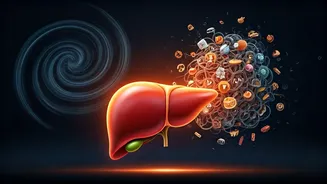
Liver disease can stem from a multitude of origins. Excessive alcohol consumption is a primary culprit, leading to gradual damage of liver cells over time. Viral infections, notably hepatitis, significantly impair the liver's operational capacity. A diet high in unhealthy foods, especially those that are oily and sugary, contributes to fat accumulation within the liver. Obesity and a sedentary lifestyle also elevate the risk of developing liver issues. Certain medications, when taken long-term without professional guidance, can have detrimental effects on the liver. Furthermore, conditions such as high cholesterol and diabetes can negatively impact liver health. In essence, a combination of unhealthy habits, infections, and pre-existing medical conditions are common instigators of liver disease.
Cirrhosis Without Hepatitis/Alcohol
Liver cirrhosis can develop even in the absence of hepatitis or alcohol consumption, driven by other health issues and lifestyle choices. A significant contributor is non-alcoholic fatty liver disease (NAFLD), where fat accumulation in the liver progressively causes damage, eventually leading to scarring. Chronic conditions like diabetes, obesity, and elevated cholesterol levels also heighten the risk. Certain inherited disorders can disrupt the liver's processing of iron or copper, leading to damage. Additionally, some autoimmune diseases may cause the body's immune system to erroneously attack the liver. Prolonged use of specific medications or exposure to toxins can also inflict harm upon the liver. Collectively, these factors can insidiously lead to the development of cirrhosis.
Signs of Poor Liver Health
Indications of compromised liver health may initially be subtle but can escalate to serious levels over time. Common early signs include persistent fatigue and weakness without an apparent cause. A diminished appetite and unexpected weight loss can also manifest. Some individuals might experience discomfort or pain in the upper right abdomen. A critical warning sign is the yellowing of the skin and eyes, known as jaundice. Changes in urine color to dark shades and pale stools can also signal a liver problem. In more advanced stages, swelling in the legs or abdomen may occur. Other symptoms such as frequent nausea, skin itching, and easy bruising warrant attention. Prompt medical consultation is advisable if these symptoms arise.
Preventing Fatty Liver Progression
For individuals in the initial stages of fatty liver disease, proactive lifestyle modifications can effectively halt its progression and even facilitate reversal. The most impactful strategy is achieving a healthy weight, which directly helps in reducing the liver's fat content. Adopting a balanced diet that minimizes oily, fried, and sugary foods is highly beneficial. Incorporating more fruits, vegetables, and whole grains into your meals is recommended. Engaging in regular physical activity, such as a minimum of 30 minutes of daily walking or light workouts, significantly enhances liver health. It is imperative to completely abstain from alcohol, as it exacerbates the condition. Managing existing diabetes and cholesterol levels, if present, is also crucial. With sustained commitment, the liver can heal and maintain its health.
NAFLD vs. ASH
The fundamental distinction between Non-Alcoholic Fatty Liver Disease (NAFLD) and Alcoholic Steatohepatitis (ASH) lies in their primary causes. NAFLD affects individuals who consume minimal to no alcohol and is predominantly linked to factors such as obesity, diabetes, and suboptimal dietary habits, indicating fat accumulation without alcohol being the trigger. Conversely, ASH is a direct consequence of excessive alcohol consumption, leading to inflammation and subsequent liver damage. Both conditions carry the potential for severe complications, including liver scarring, if left untreated. In essence, NAFLD is associated with metabolic and lifestyle factors, whereas ASH is directly attributed to alcohol intake.
Fatty Liver in Lean Individuals
It is indeed possible for individuals with a lean physique to develop fatty liver disease, a condition often referred to as Lean Non-Alcoholic Fatty Liver Disease. This can occur even if a person does not appear overweight. The underlying reasons frequently include a suboptimal diet, excessive sugar intake, insufficient physical activity, and genetic predispositions. Some individuals who are thin may store a greater proportion of fat internally, particularly around their organs, which can impact liver function. Co-existing factors such as diabetes, elevated cholesterol, and chronic stress can also elevate the risk. Therefore, body weight alone is not the sole determinant of liver health, and even lean individuals should prioritize a healthy diet, regular exercise, and periodic medical check-ups to maintain liver well-being.
Exercise for Fatty Liver Management
Consistent exercise plays a pivotal role in managing fatty liver disease. Aim for at least 150 minutes of moderate-intensity aerobic activity per week, such as brisk walking, cycling, or swimming, spread across most days. Alternatively, 75 minutes of vigorous-intensity exercise can also be beneficial. This level of physical activity is effective in reducing liver fat and improving overall physical health. Supplementing aerobic exercise with strength training, like light weightlifting or bodyweight exercises, two to three times weekly can further enhance results. Even incorporating simple changes, such as opting for stairs or increasing daily walking, contributes positively. The key to success lies in maintaining regularity. Combined with a nutritious diet, consistent exercise can significantly improve liver function and prevent the condition from worsening.
Coffee's Role with Fatty Liver
Individuals with fatty liver can generally consume coffee, and it may even offer protective benefits. Research suggests that coffee consumption can help shield the liver and reduce inflammation. It may also contribute to slowing the progression of liver damage and decrease the likelihood of developing severe conditions like liver cirrhosis. For most people, drinking two to three cups of plain coffee daily is considered safe. However, it is advisable to avoid excessive additions of sugar, cream, or flavored syrups, as these can increase caloric intake and potentially be detrimental. It is also important to be mindful of caffeine consumption and listen to your body's response. In summary, moderate coffee intake, when part of a healthy lifestyle, can support liver health.