







What Are Gatte?
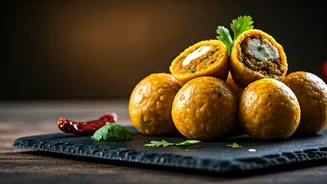
Gatte are a cornerstone of Rajasthani cuisine, traditionally crafted from gram flour (besan). The dough is typically prepared with curd and a blend of aromatic
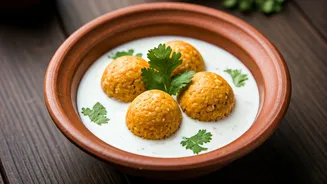
spices before being shaped into firm logs or small spheres. These formed dumplings are then boiled until they achieve a solid consistency. Subsequently, these boiled gatte are submerged in a luscious, yogurt-based gravy, forming the basis of the celebrated dish known as 'gatte ki sabzi'. The innovation of 'paneer ke gatte' introduces a luxurious dimension by incorporating a soft paneer filling within these gram flour dumplings, elevating their richness and tenderness considerably.
Why Paneer Gatte Shine
The distinct allure of paneer ke gatte lies in its masterful fusion of flavors and textures. The inherent earthy notes of gram flour harmonize beautifully with the delicate, melt-in-your-mouth quality of the paneer stuffing. This textural interplay, combined with the velvety, yogurt-based sauce, crafts an experience that is both profoundly comforting and deeply satisfying. It represents an inspired adaptation of the classic Rajasthani gatte, offering a dish that feels both like a cherished home-cooked meal and a special, indulgent treat.
Dietary Considerations
For those mindful of their dietary intake, paneer ke gatte can indeed be incorporated into a weight loss plan. The key lies in mindful preparation, focusing on minimizing oil usage and abstaining from the addition of heavy cream. Gram flour is a valuable source of protein and contributes to satiety, while paneer provides slow-digesting protein that aids in prolonging feelings of fullness. When served alongside whole wheat rotis or a fresh, light salad, it can form a well-rounded and nourishing meal, proving that delicious traditional dishes can also align with health goals.
Achieving Softness
Ensuring your paneer ke gatte achieve optimal softness is a culinary art that hinges on a few key techniques. It's crucial to achieve a besan dough consistency that is not overly firm but rather smooth and pliable; overworking the dough can lead to toughness. Additionally, the curd mixture incorporated into the dough should be thoroughly whisked to ensure a smooth texture. When boiling the gatte, aim only for them to firm up; prolonged boiling can render them hard. The final simmering stage in the gravy is essential, allowing the gatte to absorb the flavorful sauce and retain their tender quality.
Serving Suggestions
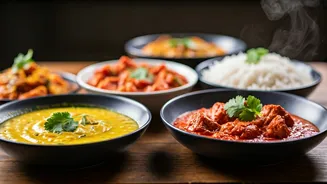
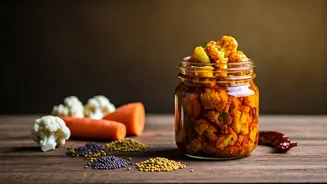
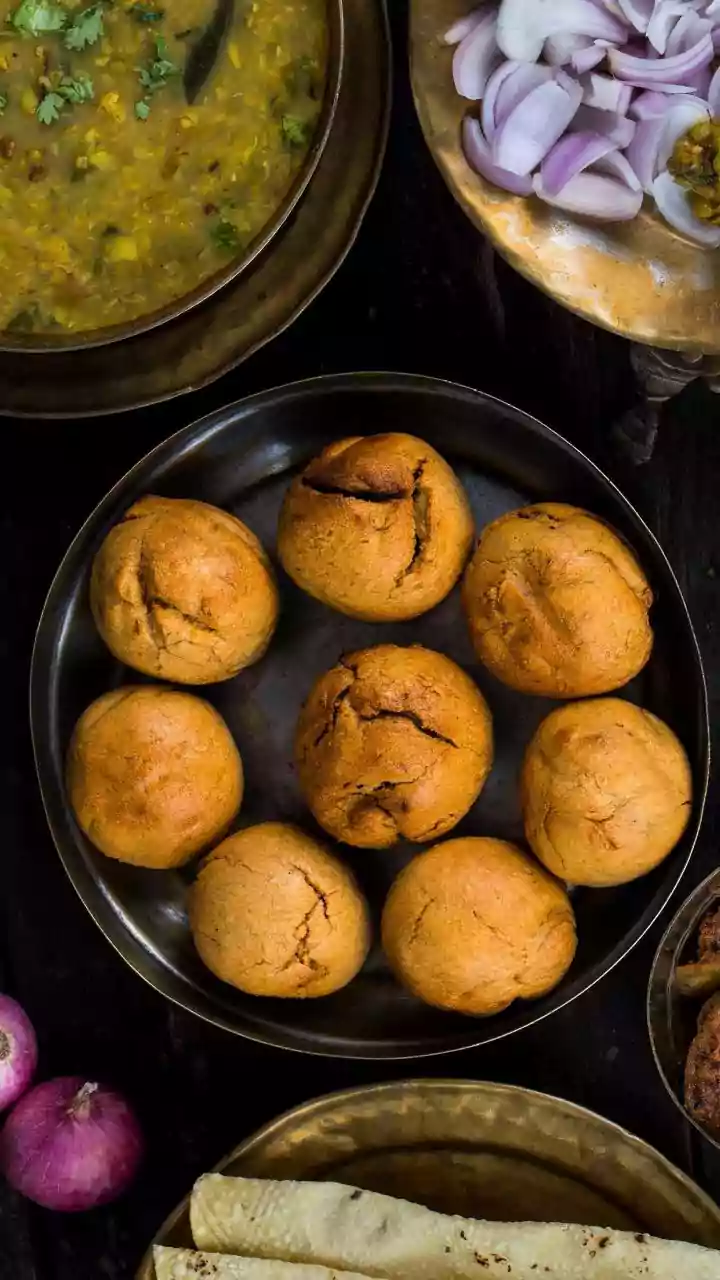
Paneer ke gatte is a versatile dish that pairs exceptionally well with a variety of Indian flatbreads. Enjoy it with delicate phulkas, hearty rotis, flaky parathas, or even fluffy steamed rice. To complete the authentic Rajasthani dining experience, consider serving it alongside a tangy pickle, a crispy papad, and a refreshing, simple salad. This combination not only enhances the meal's flavors but also provides a delightful balance of textures and tastes.
Home Preparation Guide
Crafting paneer ke gatte at home begins with preparing a tender besan dough, blending gram flour with curd and spices, adding just enough water to form a smooth, pliable mass. For the filling, grate paneer, season it subtly, and then roll it into small, manageable balls. Each paneer ball is then carefully enveloped within a portion of the besan dough and shaped into neat, spherical dumplings. These stuffed gatte are then gently boiled until they become firm; it’s important to reserve the boiling water for the gravy. While the gatte boil, whisk yogurt with your chosen spices for the gravy base. Heat oil in a pan, sauté cumin seeds and finely chopped onions until they turn pale pink. Add ginger-garlic-green chilli paste and cook briefly before incorporating tomato puree, cooking until the oil begins to separate from the mixture. Temporarily remove the pan from heat, stir in the spiced yogurt mixture, and then return to low heat, cooking gently. Season with garam masala and salt, and add a splash of the reserved gatte water to achieve the desired gravy consistency. Finally, carefully introduce the stuffed gatte into the simmering gravy, allowing them to absorb the rich flavors. Garnish with fresh coriander leaves and a swirl of cream for an elegant finish.