



The Enchanting Pink Moon
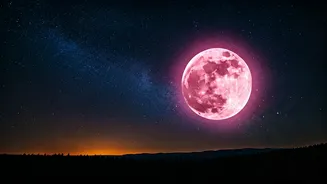
In April 2026, the night sky will be graced by the Pink Moon, a full moon that earns its name not from its color, but from the vibrant pink hues of wild
phlox flowers that bloom during this time of year. This lunar event promises a spectacular display, making it a prime opportunity for skywatchers to marvel at our natural satellite. While the moon itself doesn't typically turn pink, its appearance during this season is deeply connected to the natural world's awakening. The full moon in April is observed globally, offering a unified celestial experience. It's a time when the moon appears particularly large and bright, inviting contemplation and wonder. Photographers and enthusiasts alike will find this a captivating moment to capture the moon's radiant presence, enhanced by the sense of renewal that spring brings. The Pink Moon serves as a beautiful reminder of the cyclical rhythms of nature and the cosmos.
Cosmic Events Abound
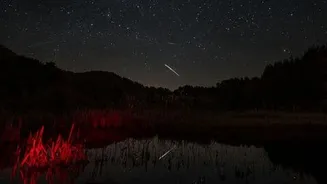
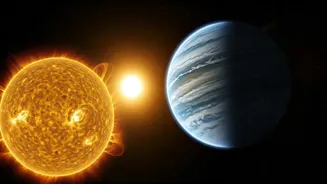
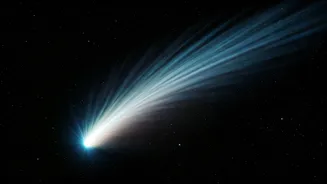
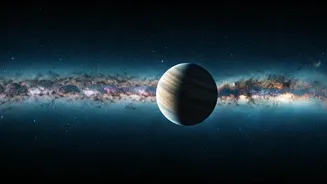
Beyond the Pink Moon, April 2026 is a vibrant period for celestial observation, featuring the Lyrid meteor shower. This annual event, peaking around April 22-23, offers a chance to witness numerous shooting stars streaking across the night sky. The Lyrids originate from debris left behind by the comet C/1861 G1 (Thatcher), and their appearance can be quite dazzling, especially under clear conditions away from city lights. Furthermore, the month might bring sightings of newly discovered comets, potentially visible even during daylight hours, adding another layer of excitement for astronomers. These transient visitors offer rare glimpses into the solar system's icy reservoirs. The continuous discoveries of exoplanets by instruments like the James Webb Space Telescope also continue to expand our understanding of planetary formation, with new clues emerging about how massive gas giants come into being. These ongoing explorations highlight the dynamic and ever-evolving nature of space.
Exploring Space's Mysteries
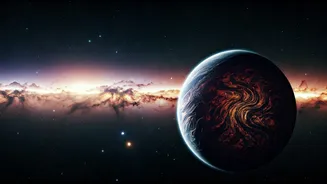
The study of space in 2026 is marked by significant advancements and ongoing explorations. The James Webb Space Telescope is playing a pivotal role, uncovering new insights into the formation of supergiant exoplanets, potentially revolutionizing our understanding of planetary system development. Meanwhile, terrestrial sites like Arizona's Meteor Crater, a testament to ancient cosmic impacts, continue to yield secrets some 50,000 years after its formation. This site offers a tangible connection to the powerful forces that shape celestial bodies. Even our own planet's atmosphere is a subject of intense study, with phenomena like daytime fireballs becoming more frequently reported, raising questions about their origins and potential for meteorite falls. These events underscore the dynamic interplay between Earth and the cosmos, reminding us that space exploration is not just about distant worlds but also about understanding our own place within the universe.