




Ras Malai's Creamy Embrace
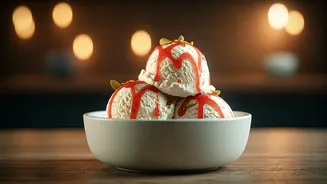
Ras Malai, a beloved Indian dessert, presents a luscious experience with its creamy texture and delicate flavors. This sweet features soft, spongy cheese
patties, known as 'chenna', submerged in a sweetened, thickened milk infused with cardamom and often saffron. The cheese patties absorb the milky goodness, becoming incredibly tender and flavorful. Making Ras Malai at home involves preparing the chenna, shaping them into small patties, and simmering them in milk. The milk is typically reduced and sweetened, creating a rich base. The final touch often includes garnishing with chopped nuts like pistachios and almonds, adding both visual appeal and a delightful crunch. Ras Malai exemplifies the art of balancing textures and tastes, making it a favorite for celebrations and special occasions in India.
Rasgullas' Spongy Delight
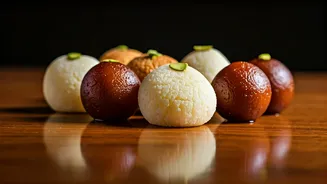
Rasgullas, another iconic Indian sweet, are known for their spongy texture and sweet syrup. These ball-shaped desserts are made from 'chenna', which is kneaded and shaped into small balls before being gently boiled in a sugar syrup. The cooking process is crucial; the rasgullas expand as they cook, absorbing the syrup and creating their characteristic spongy consistency. They are typically light and airy, offering a contrasting texture to the rich syrup they are soaked in. The preparation of Rasgullas requires careful attention to the chenna's consistency and the cooking time. A perfectly made rasgulla will be soft, spongy, and bursting with sweet, sugary goodness. Served chilled, they provide a refreshing and satisfying treat, often found on dessert menus throughout India and beyond.
Gulab Jamun's Golden Charm
Gulab Jamun, a deep-fried Indian sweet, captivates with its golden-brown exterior and syrupy interior. These are made from milk solids that are kneaded into dough balls, then deep-fried until they achieve a rich, brown color. The fried balls are then soaked in a sugar syrup infused with cardamom and rose water, allowing them to absorb the sweetness and become juicy. The contrast between the crispy exterior and the soft, syrup-soaked interior is a key element of Gulab Jamun's appeal. The milk solids, traditionally made from milk powder, provide a dense base, while the frying and syrup immersion create the final texture. Gulab Jamun is often enjoyed warm, making it a comforting dessert, particularly during colder months or festivals.
Other Sweet Sensations
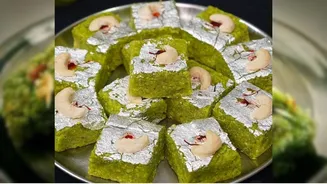
Beyond the famed trio of Ras Malai, Rasgullas, and Gulab Jamun, India boasts a treasure trove of other delightful sweets. Cham Cham, known for its vibrant colors and cylindrical shape, is often decorated with coconut flakes and pistachios. Kalakand, a rich milk-based sweet, has a fudge-like texture and a caramelized flavor profile. Thenkuzhal and Mullu Thengoyal are both examples of savory snacks often associated with festive times. Badusha, a layered, flaky pastry, offers a delightful crunch and sugary finish. Millet Sakkarai Pongal represents a healthier take on a traditional sweet with a foundation in rice. Each sweet showcases unique regional variations and flavors, providing a glimpse into the diverse culinary landscape of India. The variety emphasizes the broad range of sweets available across different Indian communities.
Festival Treats & Traditions
Many of the sweets highlighted are closely linked to Indian festivals, such as Diwali. Diwali celebrations often involve an array of sweets and savories, offering a culinary feast for the festivities. The inclusion of sweets in such events symbolizes prosperity, happiness, and the sharing of joy. Families often prepare these desserts together, creating a sense of togetherness and preserving age-old traditions. The selection of sweets varies based on regional customs and family preferences, but the intent remains consistent: to enhance the festive spirit and foster moments of shared happiness. Other associated elements might involve the serving of savory items such as Thenkuzhal and Mullu Thengoyal. This balance of sweets and savories contributes to the rich cultural and festive aspects of Indian cuisine.