






The Resilient Camel
When thinking of heat survival, the camel immediately comes to mind. Revered as the 'ship of the desert,' these animals are perfectly engineered for extreme
arid environments. Their iconic humps are not reservoirs for water, but rather storage for fat, which the camel metabolizes for energy during times of food scarcity. This physiological advantage allows them to endure prolonged periods without drinking, tolerating substantial dehydration. Furthermore, their specialized physical features, such as densely packed eyelashes and nostrils that can be sealed shut, offer vital protection against the harsh desert winds and abrasive sandstorms, ensuring their comfort and survival.
Fennec Fox's Cooling Ears
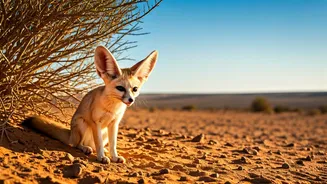
Inhabiting the vast Sahara Desert, the fennec fox is instantly recognizable by its disproportionately large ears. These impressive appendages serve a crucial thermoregulatory function, acting as radiators to dissipate excess body heat and maintain a stable internal temperature. The fox's light-colored fur is another effective adaptation, reflecting the intense solar radiation during the day and providing warmth during the cooler desert nights. Primarily a nocturnal hunter, the fennec fox wisely avoids the peak heat of the day, emerging after sunset to forage when temperatures are more manageable.
Kangaroo Rat's Water Wisdom
The diminutive kangaroo rat, native to the arid regions of North America, possesses an extraordinary ability to survive without ever taking a direct drink of water. Its hydration needs are met entirely through the moisture content of the seeds and plants it consumes. Compounding this efficiency are its incredibly specialized kidneys, which are adept at reabsorbing almost all available water, minimizing any loss. Like many desert inhabitants, the kangaroo rat conserves energy and water by remaining in its cool underground burrow throughout the day, venturing out only during the cooler nighttime hours to seek sustenance.
Ostrich's Savannah Stride
Africa's majestic ostrich thrives in the warm savannahs and dry open landscapes, demonstrating remarkable heat management. As the largest bird on Earth, it possesses unique strategies for coping with high temperatures. Its long, powerful legs enable it to traverse vast distances in search of food and water with impressive energy efficiency. The ostrich's plumage also plays a vital role in temperature regulation; its feathers create a layer of insulating air close to the skin, helping to keep the bird cool by preventing heat absorption.
Desert Tortoise's Burrowing
The desert tortoise is a paragon of slow and steady survival in arid climates. Its life revolves around the underground burrow, a refuge where temperatures remain significantly cooler than the surface. This remarkable reptile has the capacity to store water internally, allowing it to withstand extended periods without access to fresh water sources. To further conserve precious moisture and avoid overheating, the tortoise drastically reduces its physical activity during the most extreme heat waves, essentially waiting out the harshest conditions in its subterranean sanctuary.
Meerkat's Sun Protection
Synonymous with their upright vigilance, meerkats are perfectly suited for the hot, dry environments of southern Africa. They construct intricate underground burrow systems that provide a consistently cool environment, shielding them from the relentless summer sun. Their distinctive dark markings around the eyes function much like built-in sunglasses, effectively reducing glare and allowing them to maintain clear vision even under intense sunlight, crucial for spotting both predators and prey.
Thorny Devil's Water Harvest
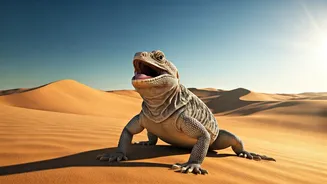
This uniquely spined lizard, the thorny devil, is an inhabitant of some of the planet's most intensely hot desert regions in Australia. Its elaborate dermal spicules are not just for defense; they are instrumental in a fascinating water-harvesting mechanism. The lizard's specialized skin is designed to capture even the slightest moisture from dew or infrequent rain, channeling it directly towards its mouth. This ingenious system enables the thorny devil to survive in environments where rainfall is exceptionally scarce, showcasing an unparalleled adaptation to extreme drought.
Elephant's Cooling Strategies
Though often associated with diverse habitats, African elephants possess impressive resilience to heat. Their enormous ears serve as highly effective natural radiators, efficiently dissipating excess body heat. To further manage their temperature, elephants frequently engage in mud baths and dust showers, which cool their skin and provide protection from the sun. They also make regular visits to water sources. Their daily routines are dynamically adjusted based on weather conditions, with increased activity often occurring during the cooler dawn and dusk periods to conserve energy and maintain a comfortable body temperature.