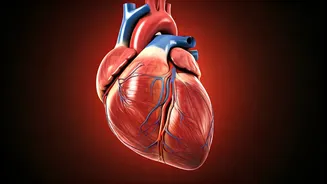

Cardio's Two-Sided Coin
The fitness world often presents a false dilemma: cardio versus muscle gains. The reality is far more complex. Cardio, when strategically implemented,
can enhance fat loss and improve overall cardiovascular health, which is vital for recovery and performance. Conversely, poorly timed or excessive cardio can hinder muscle growth due to the 'interference effect'. This effect, recognized in scientific literature, suggests that simultaneous endurance and strength training can blunt the adaptations of each. The key lies in understanding how to mitigate these negative impacts and use cardio effectively to complement your muscle-building efforts. The goal is not to eliminate cardio, but to use it in a way that aligns with your fitness goals and workout regimen.
Timing is Everything
One of the most crucial factors in optimizing cardio is timing. Doing cardio directly before a weight training session can deplete energy stores and compromise your strength training performance. However, scheduling cardio on separate days or after weight training allows for optimal recovery and reduces the risk of the interference effect. Consider your primary goal: for muscle building, prioritize weight training and schedule cardio as needed. For fat loss, you may increase the frequency and intensity of cardio, but always ensure sufficient recovery. Experiment with different timing strategies and monitor your body's response to identify what works best for you. If a concurrent approach is required, separating the two by several hours, such as morning cardio and evening weightlifting, is often recommended.
Cardio's Fat-Burning Powers
Cardio plays a significant role in fat loss. It helps burn calories, creating the caloric deficit required for weight reduction. There are various forms of cardio, from steady-state exercises like jogging and cycling to high-intensity interval training (HIIT). HIIT can be particularly effective for fat loss, as it burns a higher number of calories in a shorter amount of time and can also improve metabolism. However, remember to combine cardio with a balanced diet to maximize fat loss. Consider the intensity and duration of your cardio sessions and how they align with your overall fitness strategy. It's about finding the right balance that suits your individual needs and lifestyle. Adjust your cardio regime according to your progress and how you feel, keeping your goal in sight.
Avoiding Training Stalls
A common mistake is excessive cardio, which can lead to overtraining and hinder progress in both muscle building and fat loss. Overtraining can result in fatigue, decreased performance, and increased risk of injury. It can also disrupt hormone levels, making muscle growth more difficult. To avoid this, carefully monitor your body's signals and ensure adequate rest and recovery. This might involve adjusting the frequency or intensity of your workouts. Incorporate active recovery, such as light walking or stretching, to facilitate muscle repair and reduce soreness. Nutrition also plays a critical role here; fuel your body with a balanced diet to support muscle growth and recovery. Listen to your body and make any necessary adjustments to your training plan.
Building Muscle Effectively
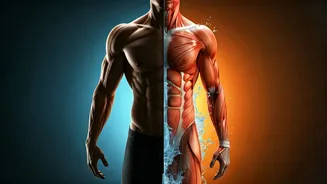
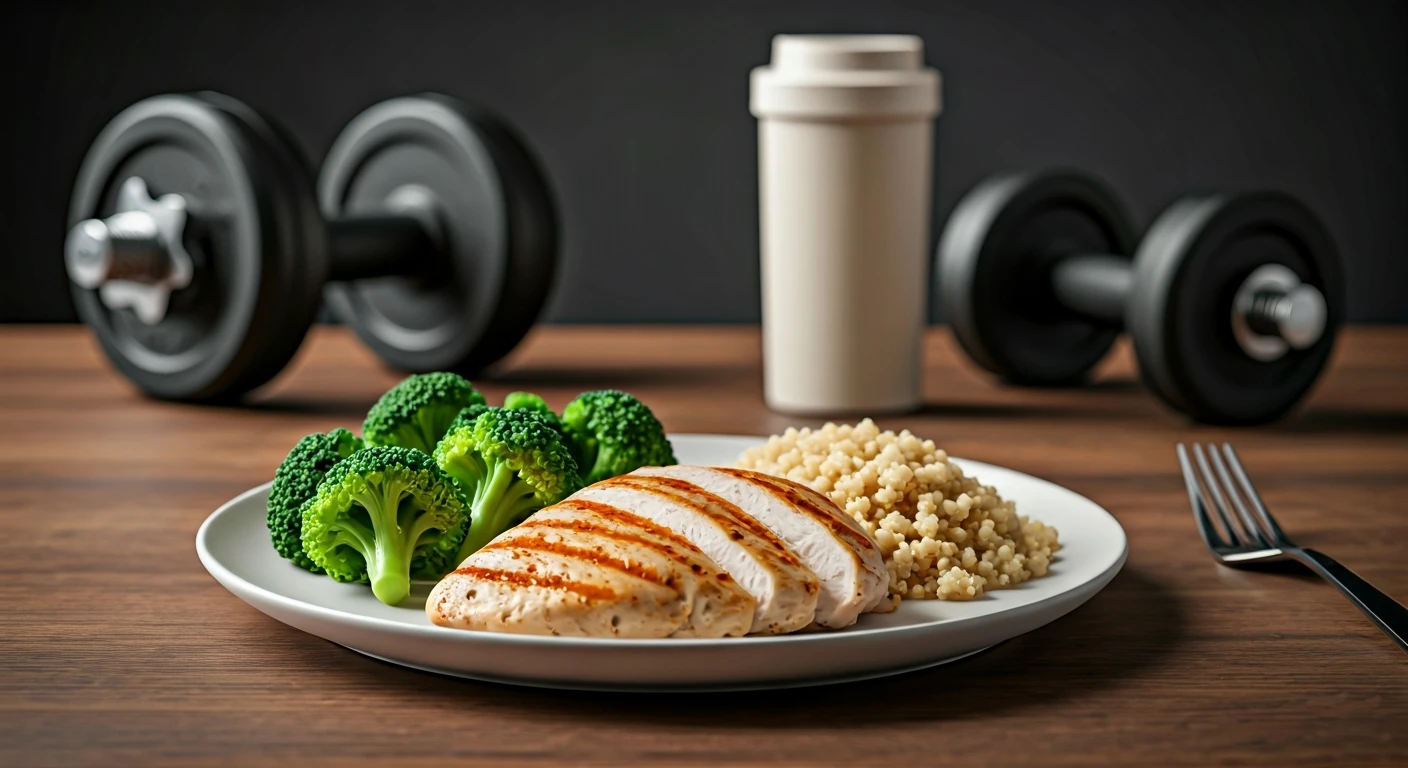
While cardio can impact muscle building, it doesn’t have to be a complete hindrance. It is important to focus on resistance training to stimulate muscle growth. Strength training promotes muscle protein synthesis, leading to hypertrophy, which is the increase in muscle mass. Make sure you are using progressive overload, increasing the weight, reps, or sets over time to challenge your muscles and facilitate growth. Adequate protein intake is also critical, and it provides the building blocks for muscle repair and growth. Furthermore, proper rest and sleep are essential for muscle recovery. Getting sufficient sleep allows your body to repair and rebuild muscle tissues effectively. Prioritizing these elements ensures that cardio, if done thoughtfully, doesn't undermine your muscle-building efforts.
The Final Verdict
Cardio and muscle building can coexist when handled intelligently. The key is to understand the interplay between the two and adjust your training plan to meet your specific goals. By strategically timing your cardio sessions, prioritizing strength training, incorporating adequate rest and recovery, and fueling your body properly, you can enjoy the advantages of cardio without sacrificing muscle gains. Don't fall into the trap of thinking cardio is the enemy; rather, view it as a tool that, when wielded correctly, can elevate your fitness journey. Adjust your approach over time based on your progress, and always listen to your body’s signals.