

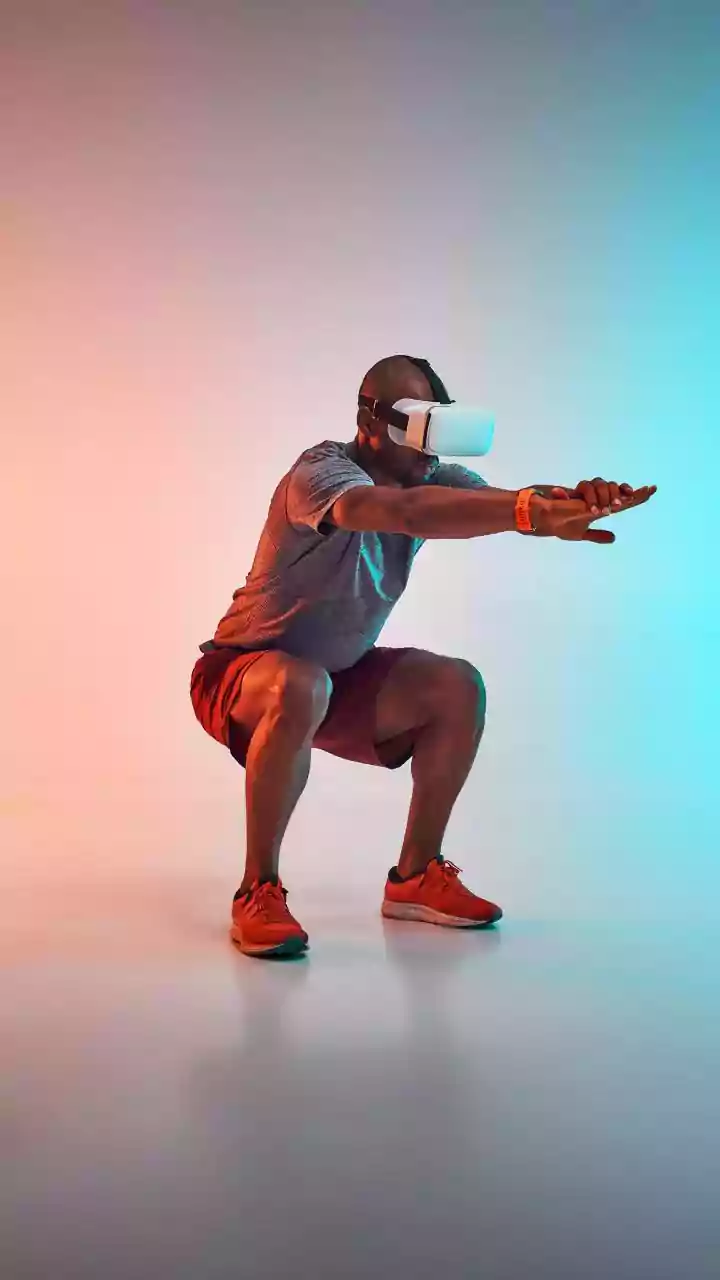



Goblet Prying Squat
When your hips feel unstable or you can't maintain an upright posture in the deepest part of your squat, it often stems from a lack of awareness and control
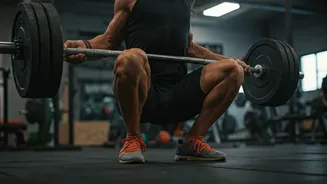
at this critical juncture. The Goblet Prying Squat is designed to address this by actively teaching you to 'own' the bottom position while simultaneously creating the necessary space. This drill reinforces proper squat mechanics by encouraging an upright torso and stable heels, enhances hip external rotation by allowing for a wider stance, and cultivates crucial tension and control in the deepest squat range. To perform it, hold a kettlebell or dumbbell close to your chest in a goblet hold. Sink into a deep squat, ensuring your heels remain flat and your chest stays tall. Once at the deepest point, gently press your knees outward using your elbows, subtly shifting your weight from side to side while maintaining core tension. Keep your posture tall and your feet firmly planted. Incorporating 1-2 sets of 20-30 seconds of this exercise into your squat warm-up can yield significant improvements in your ability to control and maintain depth.
90/90 Hip Rotation
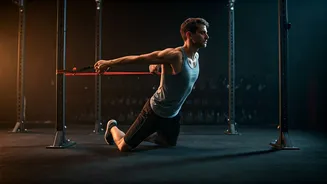
Limited mobility in your hips, specifically internal and external rotation, is a common culprit behind awkward shifts, twists, and a feeling of being 'stuck' at the bottom of a squat. If you consistently favor one side or feel unbalanced at your deepest point, this drill will highlight and address those asymmetries. The squat's bottom isn't merely about hip flexion; it crucially requires rotation, particularly of the femur and pelvis, to allow you to sit comfortably *between* your hips rather than collapsing *over* them. The 90/90 Hip Rotation with a Forward Lean specifically targets this by restoring functional hip rotation, reducing any side-to-side imbalances you might experience, and significantly improving your comfort and control when squatting deep. To execute this, sit on the floor with both legs bent at 90-degree angles, one leg positioned in front of you and the other to the side. Maintain an upright chest and a neutral pelvis. Slowly hinge forward over your front leg, keeping your back straight. Hold this stretched position briefly before returning to the start. Reset and perform the designated repetitions for both sides. A good programming suggestion is to perform 2 sets of 4-6 slow repetitions per side as part of your warm-up routine or between your main squat sets.
Elevated Split Squat
Beyond just reaching the bottom of the squat, feeling unstable or sluggish when transitioning back to the standing position is a frequent problem. This often points to a weakness or lack of control in positions requiring deep knee and ankle flexion. The Elevated Knees-Over-Toes Split Squat is specifically designed to rectify this deficit. It's crucial to understand that mobility without accompanying strength is fleeting; it can diminish rapidly under heavy loads or fatigue. This split squat variation directly builds both strength and muscular endurance in the deep knee and ankle flexion ranges that are essential for a strong squat. Furthermore, it reinforces the controlled forward travel of the knee over the toes and trains the quadriceps and adductors in the very same ranges of motion demanded by the bottom of a full squat. To perform this drill, elevate your front foot slightly on a small plate, block, or wedge. Adopt a split stance, ensuring most of your weight is on the front leg. Keeping your front heel planted, slowly drive your front knee forward as you descend into the squat, lowering yourself until you reach the limit of your comfortable range of motion. To return to the starting position, drive through your entire front foot, maintaining an upright torso. For programming, aim for 2 sets of 5-6 repetitions per side without any weight as part of your warm-up, or incorporate 3-4 sets of 6-8 repetitions with a light to moderate load as a component of your workout.
Ankle Mobility Focus
A common limitation preventing deeper squats is restricted ankle dorsiflexion, which can cause your heels to lift or force compensatory movements elsewhere. When your ankles lack the necessary mobility, your knees struggle to travel forward sufficiently, leading to an early hip hinge or a premature loss of an upright torso. This deficit forces your hips to compensate, often leading to a loss of balance and power out of the bottom. Addressing ankle mobility is therefore fundamental. Drills that actively encourage the knee to track over the toes while keeping the heel down are vital. These exercises help to improve the range of motion in the talocrural joint and allow for better positioning of the tibia relative to the foot. Without adequate ankle flexibility, achieving and maintaining a stable, deep squat position becomes significantly more challenging, impacting overall lifting performance and potentially increasing injury risk due to poor mechanics.
Hip Mobility Power
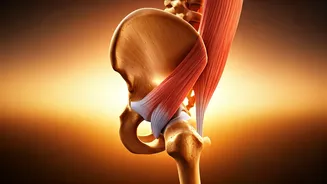
The ability to sit deeply in a squat is intrinsically linked to the dynamic interplay of both internal and external rotation within the hip joint. If your hips feel 'stuck' or restricted, it’s often because they lack the capacity to rotate effectively under load, preventing you from achieving a neutral pelvic position and an upright chest at the bottom. Exercises that specifically target hip rotation, such as the 90/90 variations, are crucial for restoring the necessary range of motion. They allow your femur to move more freely within the acetabulum, enabling you to sit *between* your hips rather than feeling like you're collapsing over them. Improved hip rotation doesn't just grant you more depth; it also enhances your ability to generate force efficiently from the bottom position and reduces the likelihood of developing asymmetries or experiencing discomfort during the squatting motion.