



Reviving Ancient Stoves
In the heart of Shimla, a fascinating culinary revival is underway, driven by an unexpected LPG shortage impacting commercial kitchens nationwide. Amidst
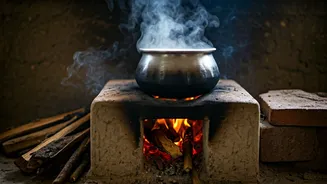
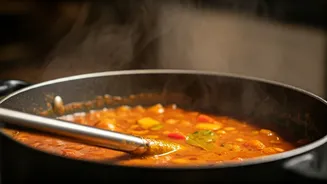
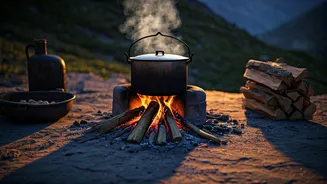
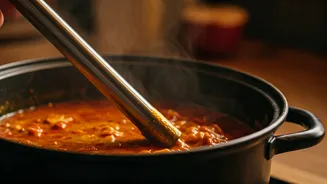
the persistent drizzle and a dip in temperature, a team of eight skilled cooks at Hotel Holiday Home (HHH), a prominent Himachal Pradesh Tourism Development Corporation (HPTDC) property, are meticulously orchestrating a return to a bygone era of cooking. They've constructed a six-foot-long, one-foot-wide cavity, referred to in local parlance as a 'char'. This primitive, yet effective, makeshift stove, once a staple in rural kitchens, has seen a resurgence due to the current fuel scarcity. The cooks, led by head cook Dhani Ram Sharma, express a blend of amusement and surprise at witnessing such a traditional method being employed in an institutional setting, highlighting the unprecedented nature of this reliance on time-honored techniques. This shift is not just for the hotel's operations but also extends to catering for government functions, including the ongoing state Assembly Budget session.
Strategic Fueling Choices
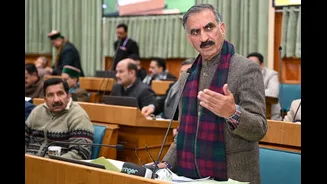
Dhani Ram Sharma, a seasoned culinary expert with prior experience as a 'boti' (a traditional chef specializing in wedding and religious function feasts) in his native Rampur, quickly identified the 'char' as the optimal solution when tasked with preparing lunch for approximately 550 individuals, including the Chief Minister and Members of the Legislative Assembly (MLAs). The objective was clear: to significantly conserve LPG while ensuring a substantial meal. The success of this initiative is evident in the dramatic reduction in fuel consumption. While normally seven to eight LPG cylinders are consumed within a three-day period during Assembly sessions, the period from March 18th to 20th saw less than a single commercial LPG cylinder being used. Sharma emphasizes the critical role of selecting the right firewood for effective 'char' cooking. He champions 'baan' wood (scientific name: quercus leucotrichophora) over the more readily available 'chir' (pine) wood. Although 'chir' is excellent for ignition and stoking the fire, 'baan' wood is preferred for its ability to produce less dense and less irritating smoke, which is crucial for maintaining a better cooking environment and imparting a distinct flavour. The firewood is procured from a nearby Forest Department depot, with an initial purchase of nearly two quintals costing around Rs 5,500.
Laborious Yet Rewarding Process
The transition to 'char' cooking, while effective in conserving gas, presents a more labor-intensive process compared to modern electric or gas stoves. Cooks like Ashwani Kumar report that preparations must commence several hours earlier than usual, with the day's work beginning at 7 am, a significant shift from the 10 am start for LPG-based cooking. The continuous generation of smoke within the covered cooking area, particularly challenging during rainy weather when it doesn't disperse easily, adds to the difficulty. Once prepared at HHH, the meals are transported to the Assembly, located about a kilometer away, approximately an hour and a half before the scheduled 1 pm lunchtime. Upon arrival, the food is then briefly reheated using gas stoves in the Assembly kitchen before being served. Despite these challenges, HPTDC officials have noted that the menu has been revised and approved by the House Management Committee, with some MLAs expressing positive feedback, lauding the food cooked on the 'char' as being tastier and healthier. Studies suggest that wood-fired cooking may indeed be healthier than microwave, gas, or electric appliance methods, a sentiment echoed by the legislators.
Future Fueling Concerns
While the current adaptation to 'char' cooking for the Assembly sessions is a testament to ingenuity, there are growing concerns about the long-term implications of the LPG crisis. HPTDC director Rajeev Kumar voices apprehension that the shortage could intensify in the coming months, potentially disrupting the peak summer tourist season, which is vital to Himachal Pradesh's economy. The Assembly session is slated to conclude in early April, but the overarching question remains whether government hotels can successfully transition all their kitchens to traditional stove methods. The HHH menu, once spanning eleven pages, has been significantly reduced to just three, with many vegetarian and non-vegetarian dishes omitted. Chinese cuisine, which typically demands higher gas consumption, is also currently off the menu. Despite these considerable adjustments, the dedicated team, including cook Sunil Kumar 'Chamba', remains resolute, committed to ensuring the corporation's continued operation and guaranteeing that no tourist leaves their hotels without sustenance. They are prepared to dedicate the necessary effort, day and night, to manage large-scale cooking on 'char' and 'chulha'.