


Packaging Clues Uncovered
The exterior of your protein powder can offer significant clues to its legitimacy. High-quality packaging, meticulously sealed and free from grammatical
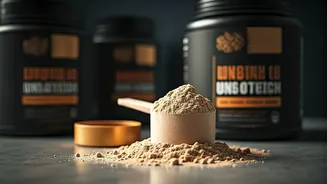
errors or inconsistent branding, often signifies a genuine product. Look for professional printing, clear labels, and any security features like holograms or tamper-evident seals. A flimsy, poorly constructed package with typos or smudged print is a substantial red flag, suggesting a lack of attention to detail that might extend to the product’s contents. Always inspect the batch numbers and expiry dates for clarity and consistency, as these are often meticulously managed by reputable manufacturers to ensure traceability and quality control. A product that appears carelessly packaged warrants a closer look and perhaps a second thought before purchase.
Ingredient Integrity Check
The ingredient list is a cornerstone for verifying protein powder authenticity. A genuine product will clearly state its primary protein source, such as whey protein isolate, concentrate, or hydrolysate, or specific plant-based proteins like pea, soy, or brown rice. If the list is vague, excessively long with unpronounceable chemicals, or dominated by fillers like maltodextrin or corn syrup solids, it’s a sign of a diluted or potentially counterfeit formula. The ideal ingredient list is concise, focusing on quality protein and minimal additives. Be wary of products that simply label themselves as 'protein powder' or 'protein blend' without specifying the type or source; these may contain significantly less actual protein and more generic components, compromising their effectiveness for your fitness or dietary goals. Pay close attention to the order of ingredients, as the first few should clearly indicate the protein source.
Solubility and Texture Reveal
How your protein powder behaves when mixed can be a telling indicator of its quality. Most authentic protein powders are designed to dissolve smoothly in water or milk, creating a uniform consistency without significant clumping or gritty residue. When you stir a scoop into a liquid, a genuine product should disperse relatively easily. If it forms stubborn lumps that refuse to break down, or if it leaves a noticeable, unpleasant texture at the bottom of your glass, this suggests it might be adulterated or of inferior manufacturing quality. While some specialized protein types might have slightly different mixing properties, a consistent, smooth blend is generally expected from high-quality, authentic supplements. This simple physical test can quickly help you differentiate between a pure protein source and a less effective alternative.
Taste and Trustworthy Sources
While taste is subjective, a consistent and pleasant flavor profile is usually characteristic of genuine protein powders. Fake or low-quality products might exhibit an off-putting taste, an unusually artificial aftertaste, or a texture that feels strange in your mouth. If the flavor drastically deviates from what you expect from a particular brand or type of protein, it's a cause for concern. Beyond the product itself, the source from which you purchase it plays a critical role. Always opt for reputable retailers, well-known health stores, or the official brand website. Be extremely cautious of deals that seem too good to be true, as significantly discounted prices from unknown vendors often signal counterfeit goods. Building a relationship with trusted suppliers ensures you are more likely to receive authentic products that meet your health and fitness standards.