

Understanding Cancer Therapies
When facing cancer, understanding the available treatment modalities is paramount. Chemotherapy, a cornerstone of cancer treatment, involves using potent
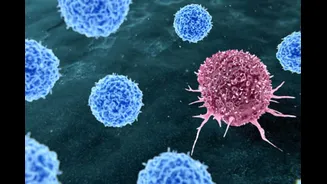
drugs to kill rapidly dividing cancer cells. Its effectiveness can vary greatly depending on the cancer type and stage, and ongoing assessment by oncologists is crucial to determine if it's still yielding positive results. Immunotherapy represents a revolutionary approach, harnessing the patient's own immune system to fight cancer cells. This method can offer significant benefits by targeting cancer more specifically with potentially fewer side effects than traditional chemotherapy, though it is not suitable for all cancer types. Radiation therapy, another common treatment, uses high-energy rays to destroy cancer cells or shrink tumors. Preparing for radiation treatment involves specific protocols to ensure optimal targeting and minimize damage to surrounding healthy tissues. Oncologists, the medical specialists in cancer, play a vital role in diagnosing, staging, and recommending the most appropriate treatment plan tailored to each individual's situation.
Managing Treatment Side Effects
Undergoing cancer treatment often comes with a spectrum of side effects that can significantly impact a patient's quality of life. Chemotherapy, while effective, can lead to various physical and emotional challenges. Understanding the typical timing and severity of these side effects is crucial for proactive management. For instance, certain days might be particularly difficult, requiring extra rest and support. Common side effects of chemotherapy can include fatigue, nausea, hair loss, and a weakened immune system, making patients more susceptible to infections. Radiation therapy also presents its own set of side effects, often localized to the treated area, such as skin irritation, fatigue, and potential damage to nearby organs. Managing these effects involves a multi-faceted approach, including medications to combat nausea, dietary adjustments, and maintaining good hygiene to prevent infections. Moreover, emotional well-being is a critical component of managing side effects, as the psychological toll of cancer and its treatment can be immense.
Emotional and Practical Support
The journey through cancer treatment extends far beyond the physical aspects, encompassing significant emotional and practical challenges. Navigating the emotional stages of cancer, from denial and anger to acceptance, is a complex process that requires understanding and support. Psychiatrists and mental health professionals can offer invaluable guidance, providing tips on what to say and how to communicate effectively with someone undergoing cancer treatment. This support extends to family caregivers, who often require essential resources and coping strategies to manage the demands of caregiving. Financial assistance for cancer treatment is another critical area, as medical costs can be substantial. Various organizations and government programs exist to help alleviate this burden, offering grants, insurance navigation, and other forms of financial aid. Creating thoughtful and helpful cancer care packages can also provide comfort and practical aid, offering items that address specific needs and bring moments of joy or relief during treatment.
Diet, Lifestyle, and Detection
While undergoing cancer treatment, dietary choices play a significant role in supporting the body's resilience and managing treatment side effects. Certain foods may exacerbate symptoms like nausea or digestive issues, making it important to know what to avoid during chemotherapy. Conversely, a balanced and nutritious diet can help maintain energy levels and aid in recovery. Lifestyle factors, such as the perceived impact of technologies like Wi-Fi on health, are often subjects of public concern, though scientific consensus generally indicates no causal link between Wi-Fi and cancer. Furthermore, understanding cancer detection methods is vital. While early detection significantly improves treatment outcomes, the effectiveness of methods like full-body scans for comprehensively detecting all types of cancer is still a subject of ongoing research and depends on various factors, including the type and stage of the potential cancer.