


Understand Bee Attraction
Bees are naturally drawn to areas offering sustenance and shelter. Their primary attractants are abundant flowering plants, which provide them with nectar
and pollen for survival and reproduction. Equally important is the availability of suitable nesting sites. When bees encounter a readily available food source and a potential location to establish their colonies, they are more likely to frequent an area. Understanding these fundamental needs is the first step in managing their presence around your home, as it helps identify why they might be drawn to your property in the first place. Pest management professionals emphasize that while deterring them entirely is difficult, making your home less appealing is achievable by addressing these core attractants.
Strategic Plant Placement
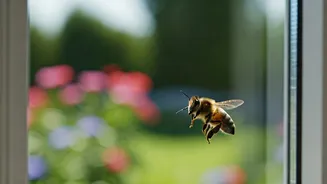
To minimize unwanted bee visits to your home's entry points, a strategic relocation of flowering plants is recommended. Position your vibrant, pollinator-attracting flora at a considerable distance from windows, doors, and any openings into your house. The further these bee magnets are from your immediate living spaces, the less likely bees are to accidentally wander inside. Bees are not inherently seeking to invade your home; rather, an accessible open doorway or window can present an unintended pathway for them. By creating a clear buffer zone between your home and their preferred food sources, you significantly reduce the chances of these industrious insects becoming unwelcome guests within your walls, ensuring they focus their pollination efforts on your garden.
Seal Entry Points Diligently
Preventing bees from establishing nests or entering your home requires meticulous attention to potential entry points. Any gap or opening larger than a pencil eraser should be promptly sealed. This proactive measure involves a regular inspection of your home's exterior, ideally on a monthly basis. Focus on areas around windows, doors, eaves, and where outdoor faucets connect. This thorough check shouldn't solely be for bee activity; it's also an opportunity to identify and repair any structural damage, worn-out screens, or plumbing issues that could indirectly attract or facilitate insect entry. By maintaining your home's integrity, you create a less inviting environment for bees and other pests seeking shelter.
Peppermint Oil Repellent
Many insects, including bees, find the strong scent of peppermint oil highly disagreeable. This natural repellent offers an effective way to discourage pollinators from lingering around your home's exterior. To create a simple yet potent solution, combine water with a few drops of peppermint essential oil in a spray bottle. Generously apply this mixture around the perimeters of your windows and doors. You can also extend its application to outdoor living areas such as porches and decks. The invigorating aroma acts as a natural deterrent, making these spaces less attractive to bees without resorting to harsh chemicals that could harm them or your plants.
Vinegar Solution Efficacy
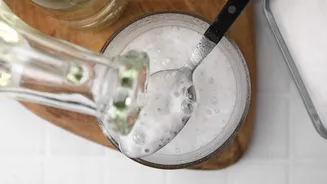
For an eco-friendly approach to keeping bees at bay from specific areas, a simple vinegar and water solution proves surprisingly effective. Mix equal parts white vinegar and water in a spray bottle. This concoction can be sprayed around the exterior of your home, particularly near entry points and any areas where you've noticed bee activity. Vinegar's acidic nature is unappealing to bees and can help deter them. It's important to note that this solution may need to be reapplied, especially after rainfall, to maintain its effectiveness. This method offers a non-toxic alternative to chemical repellents, safeguarding both bees and your garden's health.
Professional Removal Advice
In situations where bees have already established a significant presence or formed a swarm at your home, professional intervention is often the safest and most effective course of action. For carpenter bees, known for their ability to bore into wood and create tunnels in structures like patio covers and decks, specialized removal may be necessary. Experts recommend contacting a pest control professional or a local beekeeper for assistance. These professionals have the knowledge and tools to safely address bee infestations, which might include necessary carpentry work to repair damage and prevent future nesting. Their expertise ensures that bees are removed humanely and that your home is secured against re-infestation.