




Sweetener Showdown Begins
The world of natural sweeteners offers an array of choices beyond plain white sugar, with desi khand, jaggery, and brown sugar being common options. These
sweeteners undergo minimal processing compared to refined sugar, thus preserving some of the natural minerals and nutrients found in the source plant. However, the nutritional differences and health effects of each vary considerably. Despite their perceived health benefits, experts emphasize that all forms of sugar should be consumed in moderation to prevent metabolic disorders and weight gain. Jaggery, for instance, is a source of iron, magnesium, and antioxidants. Desi khand is known for being sulphur-free and gentler on digestion. On the other hand, brown sugar is largely refined sugar with added molasses, offering limited nutritional value. Understanding the origin, composition, and health implications of these sweeteners helps determine which ones support a balanced diet and whether any of them truly are healthier choices for overall well-being.
Desi Khand Unveiled
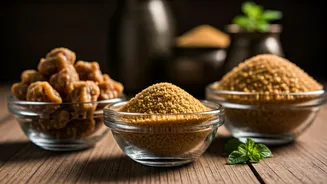
Desi khand, or Khandsari sugar, is a traditional Indian sweetener crafted from sugarcane juice. It undergoes a simple process: boiling, filtering, and crystallization without any chemical bleaching or extensive refinement. This results in a beige or light brown hue and a slightly grainy texture. Unlike refined white sugar, Desi Khand doesn't undergo processing with sulphur or phosphoric acid, thus preserving trace minerals like calcium, magnesium, iron, and phosphorus. These minerals contribute to its reputation as a 'better' sugar, though the amounts are small. The benefits of Desi Khand include trace minerals that aid metabolism and bone health, providing quick energy, and being gentler on digestion. However, it still has a high glycemic index (GI), so moderation is crucial, especially for those managing diabetes or weight concerns.
Jaggery's Golden Glow
Jaggery, or gur, is a revered natural sweetener in traditional Indian diets. It is made from concentrated sugarcane juice or palm sap, with minimal processing and no chemical refining. Its rich brown or golden color comes from natural molasses, which remains intact during production. According to research, jaggery contains essential minerals like iron, potassium, magnesium, and small amounts of B vitamins. It also has antioxidant properties that may help fight oxidative stress and support liver detoxification. The benefits of jaggery include being rich in iron, which helps prevent anemia, aiding digestion, and acting as a natural cleanser for the liver and lungs, and providing warmth and energy, particularly during the winters. Despite its benefits, jaggery is calorie-dense and high in sucrose, which can lead to blood sugar spikes if consumed excessively. Nutritionists suggest using it as an occasional sweetener instead of a daily substitute for sugar.
Brown Sugar's Reality
Brown sugar, although often mistaken for jaggery or desi khand, differs in processing. It's typically made by adding molasses back to refined white sugar, which gives it a soft texture and a distinct caramel flavor. While it contains small amounts of minerals from molasses, the nutritional content is negligible. The nutritional profile of brown sugar is almost identical to that of white sugar, with roughly 16 calories per teaspoon and similar carbohydrate levels. The difference lies mainly in taste and moisture content, not in health benefits. Brown sugar has trace amounts of calcium, potassium, and iron, but in insignificant quantities. It may be slightly slower in absorption due to the molasses but still causes blood sugar spikes. Often used in baking for flavor, it does not offer significant health value.