





Uphold Familiar Rhythms
Toddlers thrive on predictability, finding security in established routines. When traveling, disruptions to sleep schedules, mealtimes, and daily activities
can easily trigger crankiness and outbursts. To foster a sense of comfort and stability, it's highly beneficial to replicate their home-based routines as closely as possible. This consistency helps young children feel grounded and less overwhelmed by new surroundings, significantly reducing the likelihood of them throwing a tantrum. By maintaining a semblance of their usual day, you're providing an anchor that allows them to navigate the unfamiliar with greater ease and fewer emotional storms.
Pack Wisely for Comfort
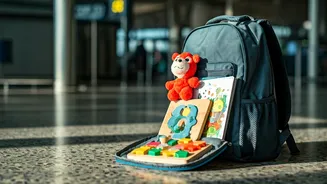
Discomfort and boredom are prime culprits behind toddler tantrums during travel. Proactively addressing these potential issues through smart packing is a key strategy. Ensure you include essential items that cater to your child's physical comfort, such as familiar blankets, favorite stuffed animals, or soothing toys. These comfort objects can provide a sense of security and normalcy in an unfamiliar environment. Being well-prepared for various scenarios that might arise, from minor illnesses to unexpected delays, allows you to respond effectively and calmly, minimizing the chances of frustration and preventing tantrums from escalating.
Engage and Divert
A toddler's attention span is fleeting, making engagement a powerful tool against meltdowns. When embarking on a journey, actively keep them occupied and entertained. This can involve engaging them in storytelling, singing songs together, or playing simple interactive games. The act of distraction is remarkably effective; by shifting their focus from whatever is causing distress or boredom to something more stimulating and positive, you can often prevent a tantrum before it even begins. A happy, engaged child is far less prone to frustration and much more likely to enjoy the travel experience alongside you.
Maintain Composure
When a toddler inevitably begins to tantrum, a parent's most crucial response is to remain calm and patient. Reacting with anger or frustration is often counterproductive, potentially amplifying the situation and making your child more distressed. Instead, adopt a gentle approach. Speak softly and attempt to understand the underlying reasons for their distress – often stemming from hunger, fatigue, or overstimulation. A parent's steady, reassuring demeanor helps the child feel safe and understood, which can de-escalate the situation and significantly reduce the intensity and duration of the tantrum.
Offer Small Decisions
Toddlers often react with tantrums when they perceive a complete lack of control over their environment. To counteract this feeling of helplessness during travel, offer them small, manageable choices. For example, you could ask, "Would you prefer this apple slice or this banana?" or "Do you want to sit by the window or in this aisle seat?" Granting them these minor decisions empowers them, fostering a sense of independence and agency. This feeling of having some control can lead to greater cooperation and a marked decrease in tantrum-prone behavior, making the journey much more pleasant for everyone involved.