


Fridge Overcrowding Perils
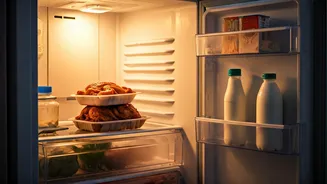
As temperatures climb, the natural instinct is to pack the refrigerator to preserve food. However, an overstuffed fridge can be a breeding ground for bacteria.
When a fridge is too full, air circulation is severely hampered, leading to inconsistent cooling. Certain sections might remain warmer than optimal, allowing perishable items to spoil much faster than they should. This uneven temperature distribution creates prime conditions for microbial growth. To combat this, it's essential to periodically reorganize your fridge, ensuring that cool air can reach all stored items effectively and preventing food spoilage before it becomes a health hazard.
Container Choices Matter
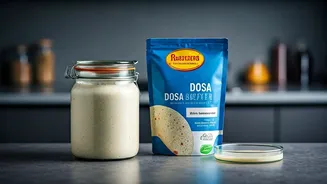
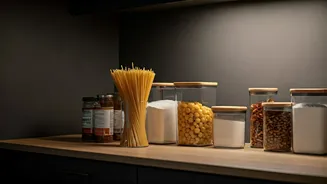
The type of container used for storing food plays a crucial role in its longevity and safety, particularly in humid summer conditions. Opting for non-airtight or low-quality containers can be a significant mistake. When food, especially moist items, is stored in such containers and exposed to heat and humidity, it can accelerate the growth of bacteria and mold. Furthermore, containers with loose lids or those left uncovered can easily lead to cross-contamination. Tiny particles or microbes from other foods in the fridge can transfer onto your stored meals. Investing in clean, tightly sealing containers is paramount, and maintaining their hygiene after each use is equally important to prevent the spread of pathogens.
Room Temperature Dangers
Leaving cooked food at room temperature for extended periods is one of the most prevalent and dangerous food safety errors, especially during summer. The warmer ambient temperatures of this season provide an ideal environment for bacteria to multiply rapidly. Food that sits out for more than one to two hours can become unsafe to consume. While some may believe that reheating can salvage improperly stored food, this is often not the case for items left out too long, as toxins produced by bacteria might not be eliminated by heat. To ensure safety, it's vital to refrigerate leftovers promptly once they have cooled down sufficiently.
Cooling Before Chilling
A common but detrimental practice is immediately refrigerating freshly cooked food, often driven by a fear of spoilage. While the intention is to preserve the food, this action can negatively impact both the food and the refrigerator itself. Placing hot food directly into a cold environment causes the fridge's internal temperature to rise significantly, forcing it to work harder and potentially compromising its ability to keep other items cool. The correct approach involves allowing hot food to cool down partially at room temperature for a short while, then transferring it into a suitable airtight container before placing it in the refrigerator. This gradual cooling process is more energy-efficient and safer for your food.