





Wash Less Frequently
Surprisingly, not every garment requires washing after a single use. Over-washing is a primary culprit behind clothes losing their shape, fading colors,
and overall wear. Items like jeans, jackets, and even some tops can be comfortably worn multiple times before needing a wash. If your clothing isn't visibly soiled or carrying odor, simply airing it out can work wonders. Hanging garments near an open window or in a well-ventilated area for a few hours can refresh them, significantly reducing the frequency of washing and, consequently, the damage inflicted on the fabric. This simple reduction in laundry cycles directly translates to less strain on your clothes.
Gentle Washing Practices
Washing machines, while convenient, can often be harsh on fabric fibers. Implementing a few minor adjustments to your laundry routine can yield substantial benefits for your clothes' longevity. Opt for cold water instead of hot; this is not only gentler on most fabrics, preventing shrinkage and color loss, but also conserves energy. Turning clothes inside out before washing, particularly those with prints or dark dyes, offers an extra layer of protection. When possible, select a gentle or delicate cycle on your machine. Furthermore, avoid overloading the washing machine; clothes need ample space to move freely. When crammed together, they can rub against each other excessively, accelerating wear and tear.
Detergent Smarts
The common misconception that more detergent equals cleaner clothes is often untrue. Excessive amounts of detergent can leave behind stubborn residues on fabrics, leading to a stiff, dull appearance over time. It's advisable to adhere to the recommended dosage on the detergent packaging, or even consider using slightly less. For those seeking to be extra diligent with their clothing care and environmental impact, opting for a milder detergent can be a beneficial choice. These formulations are typically gentler on both the fibers of your garments and the wider ecosystem.
Embrace Air Drying
While clothes dryers offer speed, their high heat can be detrimental to clothing. The intense temperatures can cause fabrics to shrink, weaken their structural integrity, and accelerate color fading. Air-drying presents a far more beneficial alternative for preserving your garments. Utilize a clothesline or a drying rack to let your clothes dry naturally. Although this method might require a bit more patience, the extended lifespan it affords your clothing is invaluable. A crucial tip for heavier items like sweaters is to avoid hanging them, as this can lead to stretching; instead, lay them flat to dry.
Thoughtful Storage Solutions
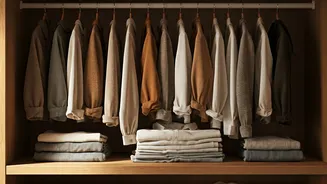
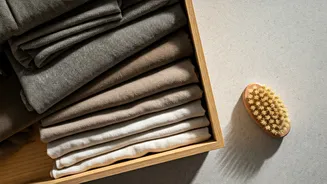
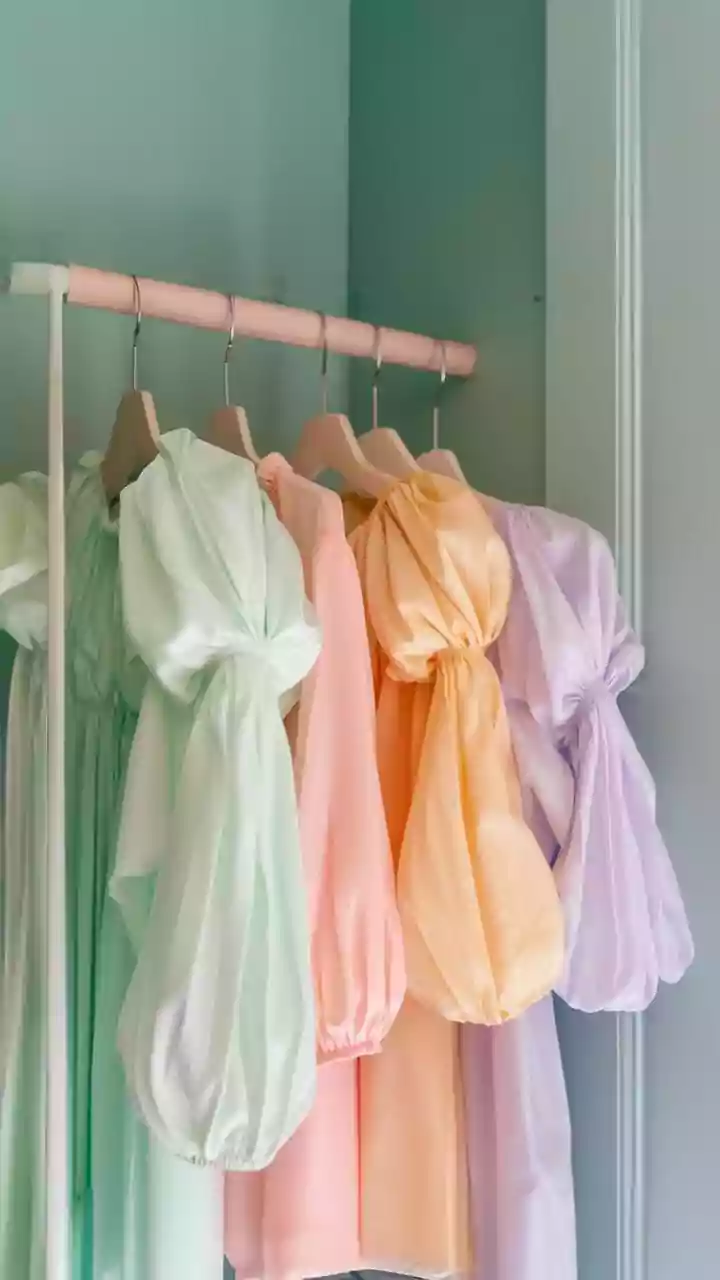
The way you store your clothing plays a more significant role in its preservation than many realize. For weighty knitted items, folding them is preferable to hanging, as hanging can cause them to lose their shape and become stretched. Invest in good quality hangers for shirts, blouses, and dresses to provide adequate support. It's also essential not to overcrowd your wardrobe; allowing garments space prevents excessive creasing and allows air to circulate. Maintaining a clean and dry storage environment is equally important, as moisture can contribute to musty odors and, over prolonged periods, can damage fabric fibers.
Proactive Minor Repairs
Small issues like a loose button, a minor tear, or a malfunctioning zipper might seem insignificant, but neglecting them can lead to more substantial problems. Developing proficiency in a few basic repair techniques can greatly extend the life of your garments. Reattaching a button or mending a small rip requires minimal time and can add months, or even years, to a piece of clothing's usability. For more complex repairs that fall outside your skill set, a local tailor can often provide professional services at a reasonable cost, saving your favorite items from premature disposal.
Immediate Stain Treatment
The longer a stain remains untreated on fabric, the more entrenched it becomes, making its removal considerably more challenging. Therefore, addressing spills and marks as swiftly as possible is paramount. Often, specialized cleaning products are not necessary; plain water or a small amount of mild soap can be surprisingly effective. A key point to remember during stain removal is to avoid vigorous rubbing, especially on delicate materials, as this can spread the stain or damage the fabric fibers.
Wardrobe Rotation
It's natural to gravitate towards a few favorite outfits, but wearing the exact same pieces repeatedly accelerates their wear and tear. Practicing a bit of wardrobe rotation allows your clothes to rest between wears. This period of downtime gives the fabric fibers a chance to recover their structure, contributing to a longer overall lifespan for each garment. By distributing wear more evenly across your collection, you prevent any single item from being subjected to excessive stress.
Understand Fabric Needs
Different materials possess unique properties that dictate their care requirements. While cotton generally withstands various washing methods, materials like wool and silk demand more delicate attention. Some fabrics are entirely unsuited for machine washing and are best cleaned by hand. Becoming an expert isn't necessary, but taking a moment to consult the care label on your garments before washing is a simple yet crucial step. These labels provide essential guidance tailored to the specific fabric composition, ensuring you provide the correct treatment.
Invest in Quality
While not directly a 'care' tip, making conscious purchasing decisions is fundamental to extending clothing life. Prioritizing well-constructed garments naturally leads to greater durability. This doesn't necessitate exorbitant spending; focus on indicators of quality such as strong stitching, robust fabric, and items you are genuinely likely to wear frequently. Timeless basics and pieces made with attention to detail tend to outlast fleeting trends, representing a more sustainable approach to building a wardrobe that lasts.