

Summer's Perilous Plate
As temperatures climb, so does the danger of foodborne illnesses. The warmth of summer creates an ideal breeding ground for bacteria, turning seemingly
harmless food habits into significant health risks. This is why meticulous food storage becomes paramount during these months. A recent incident involving nearly 100 individuals hospitalized due to suspected food poisoning after dining at Chin Liu Cuisine in New Taipei City serves as a stark reminder. Customers who purchased bento boxes during the Tomb Sweeping Festival holiday began falling ill, with symptoms like abdominal pain, diarrhea, and fever. Investigations into the restaurant revealed multiple hygiene lapses, including improper knife storage, unhygienic staff practices, and refrigeration units failing to maintain required temperatures, all suspected contributors to the widespread contamination. This unfortunate event underscores the critical need for vigilance in food handling and storage, especially when dealing with mass food preparation and distribution.
Fridge Overcrowding Risks
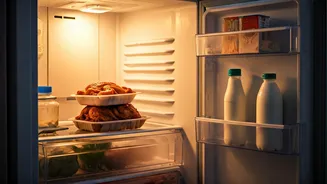
A common instinct in warmer weather is to cram as much as possible into the refrigerator, hoping to preserve freshness. However, an overstuffed fridge can be counterproductive. When packed too tightly, it hinders proper air circulation, leading to inconsistent cooling. Certain sections of the fridge may remain warmer than others, creating pockets where food spoils more rapidly. To combat this, it's advisable to periodically reorganize your refrigerator, perhaps every couple of days, to ensure that cool air can reach all food items effectively. Maintaining adequate space allows the appliance to function efficiently, preventing spoilage and reducing the likelihood of bacteria proliferation.
Container Catastrophes
The choice of food storage containers plays a crucial role in preventing spoilage, particularly in humid summer conditions. Many individuals opt for plastic containers, but when these are exposed to the heat and humidity, they can inadvertently foster the growth of bacteria and mold. Furthermore, using containers with loose lids or leaving dishes uncovered in the refrigerator can lead to cross-contamination. This means that bacteria from one food item can spread to others, increasing the risk of illness. Investing in clean, airtight containers is essential. It's also vital to maintain rigorous hygiene standards for these containers, ensuring they are thoroughly cleaned after each use to prevent any build-up of harmful microorganisms.
The Danger Zone
Leaving cooked food at room temperature for extended periods is a significant food safety hazard, especially during summer when bacteria multiply at an accelerated rate. Food left out for more than one to two hours can quickly become unsafe to consume, even if it looks and smells fine. The belief that reheating can salvage food that has been in the danger zone for too long is often misguided; the damage may already be done. To ensure the safety of leftovers, it is imperative to refrigerate them as soon as they have cooled down sufficiently. Prompt refrigeration halts the rapid multiplication of bacteria, preserving the food's safety and quality.
Cooling Before Chilling
A prevalent mistake many make is placing hot food directly into the refrigerator immediately after cooking, driven by a desire to prevent spoilage. While the intention is good, this practice can be detrimental. Introducing large quantities of hot food into the fridge can raise the internal temperature of the appliance, potentially compromising the safe storage of other items. Moreover, it puts undue strain on the refrigerator's cooling system. The correct approach involves allowing hot food to cool down partially at room temperature for a short period. Once it has cooled slightly, it should be transferred to an airtight container before being placed in the refrigerator. This method ensures that the food cools safely without negatively impacting the refrigerator's performance or the safety of other stored goods.