





Embrace Vertical Space
When floor space is limited, looking upwards is key. Utilize wall-mounted shelves and tall, slender furniture pieces to draw the eye vertically, creating
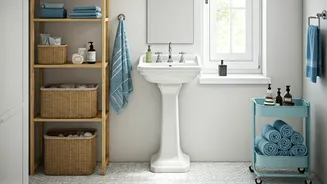
an illusion of greater height and depth. Think floor-to-ceiling bookshelves or wall-mounted cabinets. This strategy not only provides ample storage but also prevents the room from feeling cluttered by keeping items off the floor. Consider hanging plants or artwork at varying heights to further enhance this vertical emphasis, making the room feel more expansive and less confined.
Lighten Up the Room
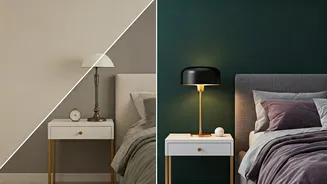
Employing light and airy colors is a fundamental principle in making any small space feel more open. Opt for a predominantly neutral or pastel color palette for your walls, bedding, and larger furniture pieces. These hues reflect light more effectively, contributing to a brighter and more expansive atmosphere. Even incorporating pops of color should be done thoughtfully, perhaps through accessories, rather than overwhelming the space with dark or intense shades. Maintaining a consistent light theme throughout the room will visually expand its boundaries.
Strategic Color Choices
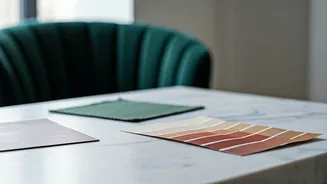
Monochromatic schemes can be incredibly effective in small bedrooms. By sticking to a single color family and varying its shades and tones, you create a seamless flow that prevents visual breaks, making the room appear larger. For instance, using different shades of blue from deep navy for accents to pale sky blue for walls can be both soothing and space-enhancing. This approach minimizes visual clutter and promotes a sense of calm and spaciousness, avoiding the choppy look that multiple contrasting colors can create.
Layers of Contrast
While keeping the base light, strategic use of contrast can add depth and personality without overwhelming the space. Introduce accent colors through textiles like throw pillows, rugs, or curtains. Combining textures also adds dimension; for example, a plush rug on a wooden floor or a knitted throw over a sleek sofa. This interplay of light and dark, smooth and textured, creates visual interest and prevents the room from feeling flat or monotonous, all while maintaining an overall sense of openness.
Mirror Magic
Mirrors are unparalleled tools for creating the illusion of space. Strategically placed mirrors can reflect light and the room itself, effectively doubling its perceived size. A large floor-to-ceiling mirror leaning against a wall or a well-positioned wall mirror opposite a window can dramatically transform the ambiance. Consider mirrored closet doors or accent pieces to maximize their impact. The reflection will bounce light around, making the room feel brighter and more open.
The Power of Openness
Opting for furniture with an open design, such as pieces with legs that allow you to see the floor beneath, can make a room feel less cramped. This includes beds with exposed frames, open shelving units, and furniture with a lighter visual footprint. Avoiding bulky, floor-hugging items creates a sense of airiness. This style of furniture allows light to pass through and visually connects different parts of the room, contributing to a more open and spacious feel.
Furniture Functionality
Multi-functional furniture is a game-changer for small bedrooms. Think ottomans with hidden storage, sofa beds, or beds with built-in drawers. These pieces serve multiple purposes, reducing the need for additional furniture and thereby saving valuable space. Choosing items that can be easily reconfigured or stowed away maximizes utility. This smart selection ensures that every piece of furniture contributes effectively to both storage and living needs without taking up unnecessary room.
Low-Profile Choices
Incorporating low-profile furniture, such as platform beds or coffee tables, can make the ceiling appear higher, thus creating a sense of greater vertical space. This style of furniture naturally draws the eye downwards and then up, giving the impression of a larger room. It also contributes to a minimalist aesthetic, which is often beneficial in smaller areas to avoid a sense of clutter and congestion. The lower visual weight of these items can make a significant difference.
Illusion of Larger Windows
Maximizing natural light is crucial, and larger windows can dramatically enhance a room's sense of space. If you cannot enlarge your existing windows, consider ways to make them appear larger. Use light, sheer curtains that allow maximum light penetration. Hanging curtains higher and wider than the window frame can also create the illusion of larger openings. Ensuring windows are kept clean and unobstructed will also help them appear more prominent and let in more daylight.
Artistic Touches
Photo frames and personal mementos can add character, but in a small space, it's about thoughtful curation. Opt for a few well-chosen pieces rather than an overwhelming gallery wall. Consider grouping smaller frames together for impact or using larger, statement pieces. Displaying photos on shelves or using digital photo frames can save wall space. This personal touch makes the room feel like your own without contributing to a cluttered aesthetic.
Greenery and Accents
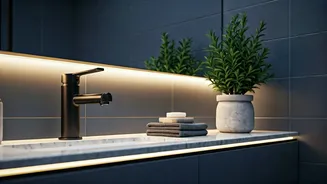
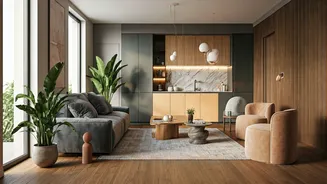
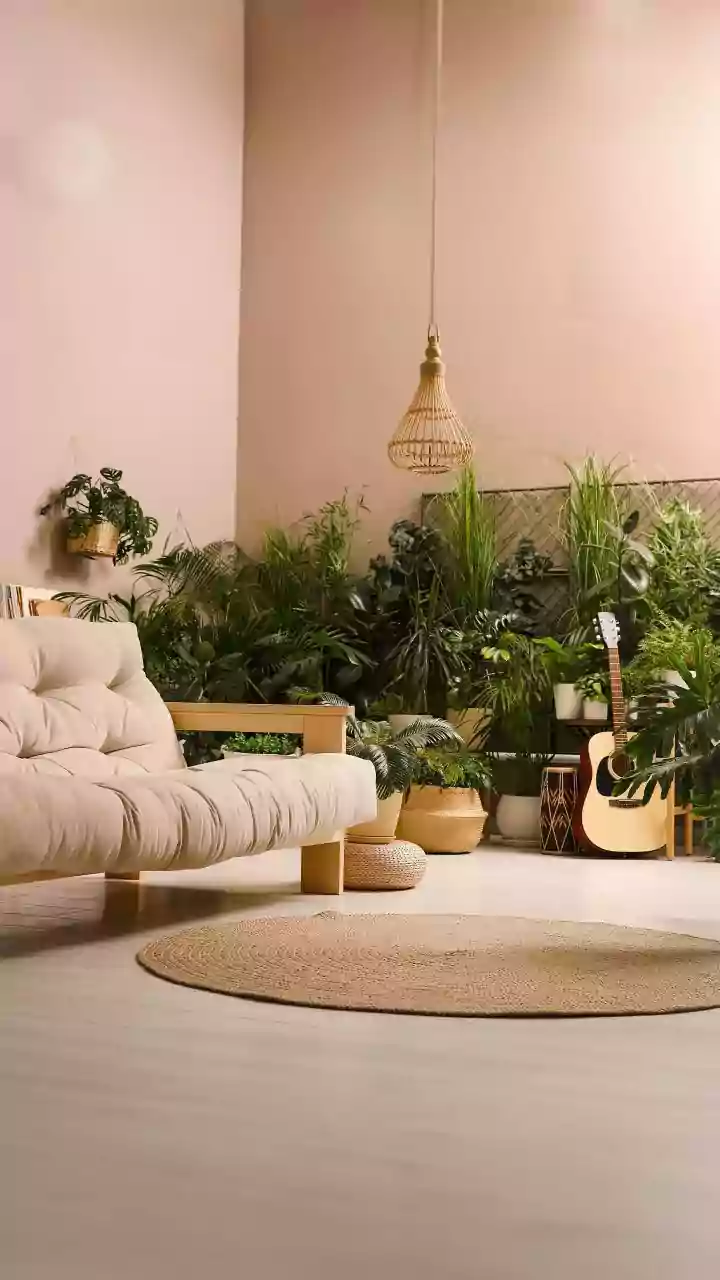
Introducing plants can bring life and a touch of nature into your bedroom, making it feel more welcoming and vibrant. Choose plants that are suitable for indoor environments and don't require excessive space. Small potted plants on shelves or a slightly larger floor plant in a corner can add a refreshing element. Similarly, carefully placed decorative items, like a tasteful sculpture or a unique vase, can enhance the room's aesthetic appeal without making it feel cramped.
Wallpaper Wisely
Wallpaper can be a powerful tool for adding personality and depth, even in a small room. Consider using wallpaper on just one accent wall to add a focal point without overwhelming the space. Bold patterns can work if used sparingly, or opt for lighter, subtle designs that add texture and visual interest. Wallpapers with vertical stripes can enhance the feeling of height, while those with reflective qualities can bounce light around, making the room appear larger.
Symmetry and Balance
Achieving symmetry in your decor can create a sense of order and visual harmony, which is particularly beneficial in compact spaces. Placing matching bedside tables, lamps, or decorative items on either side of your bed can create a balanced and calming atmosphere. This intentional arrangement helps to make the room feel more organized and intentionally designed, preventing it from feeling chaotic or haphazard.
Customized Solutions
Investing in customized furniture can be an excellent strategy for small bedrooms, ensuring that every piece fits perfectly and serves its intended purpose without wasted space. This could include built-in wardrobes, bespoke shelving units, or a bed frame designed to maximize under-bed storage. Custom solutions allow you to tailor dimensions and functionalities precisely to your room's unique layout and your personal needs, optimizing every square inch effectively.
Layered Bedding
Creating a cozy and inviting bed is essential. Layering your bedding with different textures and tones can add depth and comfort. Use a combination of sheets, duvets, and throw pillows to create a plush and inviting look. A well-styled bed can become a focal point, making the room feel more put-together and luxurious, even with limited space. This adds a touch of comfort and style that enhances the overall feel of the bedroom.
The Corner Strategy
Cleverly utilizing corners can unlock hidden potential in a small bedroom. Corner shelving units, a small desk tucked into a corner, or even a cozy reading nook can transform underused areas into functional spaces. This approach helps to maintain clear pathways through the room, preventing it from feeling obstructed. By maximizing these often-neglected spots, you can add storage or utility without encroaching on the main living area.
Kid's Bedroom Styling
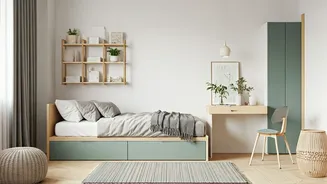
For a child's room, maintaining a sense of spaciousness while incorporating fun elements is key. Utilize vertical storage solutions like wall-mounted shelves for toys and books. Opt for furniture that can grow with the child or serve multiple purposes, such as a bed with integrated storage. Incorporate bright colors and playful decor, but ensure they don't make the room feel too busy. The goal is to create an organized, stimulating, and comfortable space for play and rest.
Open Furniture Style
Choosing furniture with an open design, like pieces with legs that allow you to see the floor beneath, can make a room feel less cramped. This includes beds with exposed frames, open shelving units, and furniture with a lighter visual footprint. Avoiding bulky, floor-hugging items creates a sense of airiness. This style of furniture allows light to pass through and visually connects different parts of the room, contributing to a more open and spacious feel.
Low Tables for Space
Opting for low-profile furniture, such as platform beds or coffee tables, can make the ceiling appear higher, thus creating a sense of greater vertical space. This style of furniture naturally draws the eye downwards and then up, giving the impression of a larger room. It also contributes to a minimalist aesthetic, which is often beneficial in smaller areas to avoid a sense of clutter and congestion. The lower visual weight of these items can make a significant difference.
Symmetrical Arrangement
Achieving symmetry in your decor can create a sense of order and visual harmony, which is particularly beneficial in compact spaces. Placing matching bedside tables, lamps, or decorative items on either side of your bed can create a balanced and calming atmosphere. This intentional arrangement helps to make the room feel more organized and intentionally designed, preventing it from feeling chaotic or haphazard.
Wallpaper the Ceiling
Transforming your ceiling can be an unexpected yet effective way to add visual interest and a sense of grandeur. Applying wallpaper to the ceiling can draw the eye upwards, making the room feel taller and more expansive. This is a bold choice that can add a unique design element, especially if you choose a pattern or texture that complements the room's overall aesthetic. It's a way to utilize vertical space creatively.
Multi-Functional Furniture
Multi-functional furniture is a game-changer for small bedrooms. Think ottomans with hidden storage, sofa beds, or beds with built-in drawers. These pieces serve multiple purposes, reducing the need for additional furniture and thereby saving valuable space. Choosing items that can be easily reconfigured or stowed away maximizes utility. This smart selection ensures that every piece of furniture contributes effectively to both storage and living needs without taking up unnecessary room.
Vertical Storage Solutions
When floor space is limited, looking upwards is key. Utilize wall-mounted shelves and tall, slender furniture pieces to draw the eye vertically, creating an illusion of greater height and depth. Think floor-to-ceiling bookshelves or wall-mounted cabinets. This strategy not only provides ample storage but also prevents the room from feeling cluttered by keeping items off the floor. Consider hanging plants or artwork at varying heights to further enhance this vertical emphasis, making the room feel more expansive and less confined.