
Musk's Bold Prediction
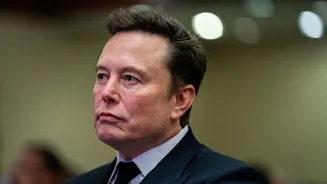
Elon Musk recently proposed that the nature of work could undergo a significant metamorphosis within the coming one to two decades, eventually evolving
to a point where it becomes optional for many. This statement implies a drastic change from the current societal structure where most people's lives revolve around their occupations. Musk's perspective is rooted in the continuous expansion of artificial intelligence, robotics, and automation. He postulates that these technologies will dramatically enhance productivity, eventually leading to a scenario where human labor becomes less necessary for the production of goods and services. Consequently, this shift would enable individuals to have more leisure time, as machines would handle a larger share of the workload. Musk's optimistic outlook contrasts with concerns about job displacement, suggesting a future where humans focus on pursuits like creative endeavors, personal development, or other activities that machines cannot easily replicate. The core of his view is predicated on the idea that technological advancement will eventually free people from conventional labor.
Tech's Role Explained
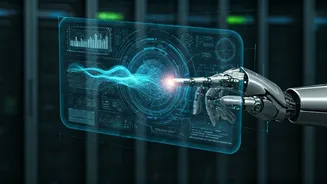
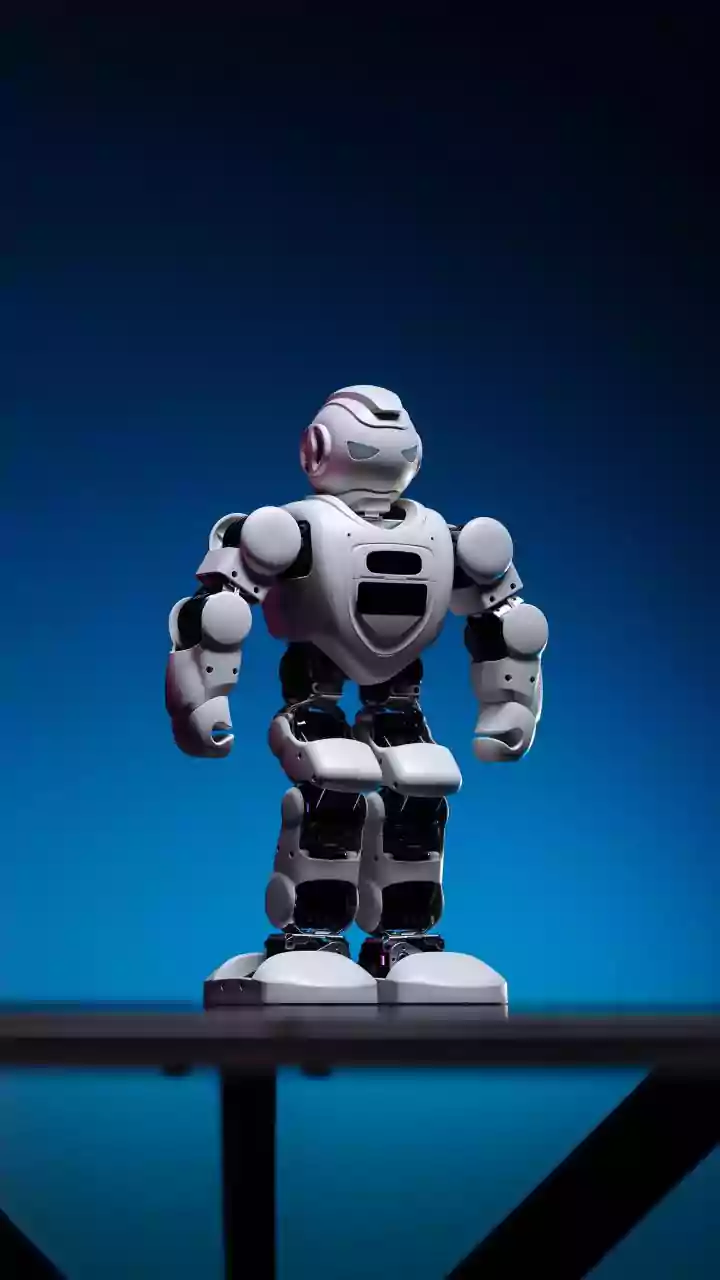
The crux of Musk's prediction lies in the exponential growth of technology. Artificial intelligence and robotics are designed to automate many tasks that are currently performed by humans. This automation could encompass an array of industries, from manufacturing and logistics to customer service and administrative roles. As AI-powered systems become more sophisticated, they will be able to manage more complex operations with precision and efficiency. Simultaneously, the costs of production will decline, as the dependency on human labor diminishes. The development of advanced robotics will contribute by taking over physically demanding or repetitive tasks. Consequently, these advancements will increase overall productivity and allow for the production of more goods and services. As machines become more efficient, the need for human participation in these processes is reduced. The result would be a significant reshaping of the labor market.
Impacts on Society
If work truly becomes optional, society will need to adapt significantly. The traditional concepts of employment, income, and social security may need a complete overhaul. Governments might consider implementing universal basic income to ensure everyone's basic needs are met, irrespective of their employment status. Education systems may need to focus more on fostering creativity, critical thinking, and interpersonal skills, rather than solely preparing people for traditional jobs. Leisure and personal enrichment will become more important. People could have more opportunities for learning, pursuing hobbies, and engaging in community activities. Furthermore, this shift might influence societal values. There could be a shift towards appreciating pursuits beyond just financial gain. This would encourage a greater emphasis on individual well-being and a more balanced approach to work and life. The redistribution of wealth and resources will need careful planning to address potential inequalities and ensure everyone benefits from technological progress.
Challenges and Considerations
While Musk's vision is appealing, it does present several challenges. Firstly, the transition to a world with optional work may not be seamless. The implementation of new economic models and social support systems requires substantial investment and careful planning to avoid social unrest and economic instability. Another important consideration is the distribution of wealth. If automation primarily benefits a small segment of society, it could widen the gap between the rich and the poor, leading to societal tensions. Furthermore, the ethical implications of AI and automation need to be addressed. As machines take on more responsibilities, it is important to ensure their use is transparent and accountable. Cybersecurity, data privacy, and the control of these advanced technologies must be carefully managed to mitigate potential risks. The implementation of retraining and education programs to assist workers in adapting to the changing job market is critical. These programs need to be accessible and effective to empower individuals to make use of new opportunities.
The Future Unfolds
Musk's predictions about optional work are ambitious, yet they highlight the profound effects of technology on our society. The realization of this future will involve careful planning, social adjustments, and ongoing adaptation. While the path may be complex, embracing technological advancements could lead to a more equitable and fulfilling society. By understanding the potential impacts and addressing the related challenges proactively, it may be possible to guide the future to a world where human potential is maximized, not restricted by the need for labor. The ultimate success will depend on collective action to create a future that prioritizes both technological progress and human well-being. This requires open dialogue, cooperation, and a willingness to reshape the foundations of our economic and social systems.