




Gangkhar Puensum's Sacred Heights
Standing at an impressive 7,570 meters, Gangkhar Puensum in Bhutan holds the distinction of being the world's tallest unclimbed mountain. Its summit has
remained a mystery not due to lack of skill, but rather a profound cultural respect. The Bhutanese government has declared its mountains sacred, implementing a complete ban on mountaineering activities. This spiritual reverence ensures that Gangkhar Puensum, and indeed many of Bhutan's peaks, will likely remain pristine, untouched by human footsteps. The decision reflects a deep connection between the land and its people, prioritizing conservation and cultural integrity over the pursuit of mountaineering accolades. This makes Gangkhar Puensum a symbol of natural beauty preserved by unwavering tradition, a testament to the power of belief in safeguarding natural wonders from external ambition. The awe-inspiring presence of this peak continues to draw contemplation, rather than conquest.
Labuche Kang III's Treacherous Trails
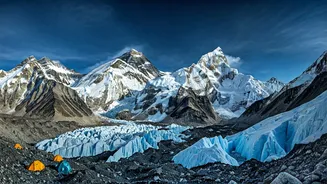
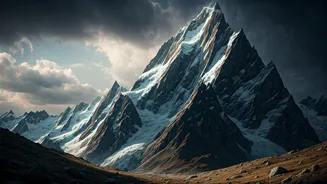
In the formidable Himalayan range lies Labuche Kang III, a peak that stands as the highest unclimbed mountain not subject to official prohibitions. Despite numerous expeditions attempting to conquer its challenging slopes, success has eluded all. The mountain presents a formidable array of natural obstacles, including perilous ice walls that shimmer precariously, deep and hidden crevasses that swallow the unwary, and extremely harsh weather conditions that can change in an instant. These relentless environmental adversities have consistently forced even the most determined climbers to retreat, their efforts thwarted by the sheer power of nature. The mountain's allure lies not just in its height, but in the extreme test it poses to human endurance and skill against the raw elements of one of the planet's most demanding terrains. Each failed attempt only adds to its mystique, a silent challenge echoing through the vast mountainscape.
Mount Kailash's Spiritual Sanctuary
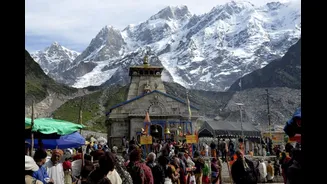
Mount Kailash holds a unique place in the world, revered as a profoundly spiritual site for several major religions, including Hinduism, Buddhism, Jainism, and Bon. Its sacred status dictates a strict prohibition against any form of climbing. This reverence stems from beliefs that the mountain is the abode of deities or a central axis of the world. For mountaineers, its imposing presence and the challenge it represents are undeniable, yet the deep-seated cultural and religious respect overwhelmingly prevails. Climbers and adventurers voluntarily abstain from attempting an ascent, prioritizing the sanctity of the mountain over personal achievement. This collective respect has preserved Mount Kailash in its natural state, a powerful symbol of faith and a spiritual anchor for millions, standing as a testament to the idea that some places are meant to be admired and revered from afar, rather than conquered.
Mount Siple's Remote Isolation
Unlike many of its towering counterparts, Mount Siple in Antarctica does not boast extreme altitude as its primary deterrent. Its unclimbed status is primarily a consequence of its overwhelming isolation. Located in one of the most remote and inaccessible regions on Earth, reaching the base of Mount Siple presents a logistical undertaking of immense proportions. The sheer difficulty and cost involved in mounting an expedition to this desolate continent, coupled with the challenges of Antarctic exploration, mean that very few, if any, serious attempts have ever been made to scale its slopes. Its extreme remoteness has effectively shielded it from the gaze of most would-be conquerors, leaving it as a largely untouched natural formation in a landscape defined by its extreme environment and vast emptiness. The mountain's story is less about human failure and more about the sheer power of geographical remoteness.
Summa Ri Peaks' Untamed Wilderness
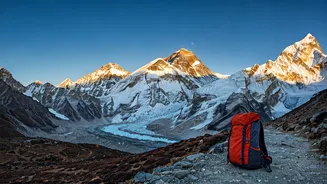
The Summa Ri I and II peaks, nestled within the rugged Karakoram range, represent a formidable challenge due to their extreme remoteness and hazardous conditions. These mountains have managed to evade human ascent primarily because of the immense difficulty in reaching them, coupled with a high risk of avalanches and the generally treacherous nature of the terrain. The logistical complexities of establishing a base camp and navigating the approach routes are immense, requiring extensive planning and resources. Furthermore, the region is prone to sudden and devastating avalanches, posing a constant threat to any expedition. Consequently, despite their captivating allure within one of the world's most dramatic mountain environments, no climber has yet managed to successfully stand atop their summits, leaving them as symbols of the Karakoram's untamed and dangerous beauty.