






Electronic Skies
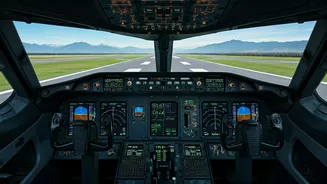
Modern aircraft are incredibly complex, relying on a sophisticated web of electronic systems for everything from navigating the skies and communicating
with air traffic control to managing onboard functions and ensuring passenger comfort. As aircraft become increasingly interconnected and data-reliant, the unwavering reliability of these electronic communications is paramount, directly impacting both passenger safety and the efficiency of flight operations. These advanced avionics systems are the nerve center of the modern aircraft, processing vast amounts of data to provide pilots with the information they need to fly safely and efficiently. The evolution of aviation technology means an ever-growing dependency on these intricate electronic networks, making their stability and performance a critical factor in the overall success of air travel. Ensuring these systems function without interruption is a continuous challenge that requires cutting-edge solutions to overcome potential disruptions and maintain the high standards expected in aviation.
The EMI Threat
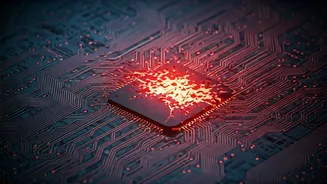
Electromagnetic Interference, or EMI, is essentially unwanted electrical noise that can disrupt the normal functioning of electronic devices. In the context of aviation, this interference can wreak havoc on sensitive avionics, leading to distorted communication signals, inaccurate navigation data, and false readings on cockpit instruments. Aircraft are constantly immersed in a sea of electromagnetic signals, originating from various sources such as radio broadcasts, the aircraft's own radar systems, electronic devices used by passengers, ground-based airport communications, powerful lightning strikes, and the myriad of onboard electronic systems operating simultaneously. Without effective EMI filtering, this pervasive electrical noise can corrupt vital communications between pilots and air traffic controllers or interfere with the proper operation of crucial flight control systems, creating significant safety risks.
Filtering the Noise
The fundamental purpose of EMI filtering is to act as a selective barrier, precisely blocking out undesirable electrical frequencies while allowing essential communication and operational signals to pass through unimpeded. This sophisticated process is vital for maintaining the stability of navigation and GPS systems, ensuring the consistent performance of radar and transponders, providing accurate data for cockpit instrumentation, and guaranteeing uninterrupted dialogue between pilots and air traffic control. By carefully managing the electromagnetic spectrum, these filters protect sensitive electronics from disruption, enabling them to perform their intended functions reliably. This is particularly crucial in the high-stakes environment of aviation, where even minor signal degradation could have serious consequences. The effectiveness of EMI filters directly translates to enhanced safety and operational integrity for all aircraft.
Aviation's Lifeline
Secure and dependable communication with air traffic control is absolutely indispensable for the safe and orderly flow of air traffic. This communication is crucial for managing takeoffs and landings, navigating around adverse weather conditions, maintaining safe distances between aircraft, and responding effectively during any in-flight emergencies. Any interruption, however brief, in these vital communication channels can introduce significant operational challenges and compromise safety. Therefore, signal integrity is not merely a technical detail but a foundational element of modern aviation infrastructure. The seamless exchange of information between pilots and controllers ensures that every flight operates within a controlled and predictable environment, minimizing the risk of accidents and ensuring the well-being of everyone on board.
Historical Context
The concept of mitigating electromagnetic interference began to take shape during the significant advancements in radio technology witnessed in the 1920s and 1930s. As communication systems became more sophisticated, engineers started to recognize that electrical systems could inadvertently produce interference that disrupted radio transmissions. The urgency for more robust interference mitigation techniques escalated dramatically during World War II, driven by the rapid development and deployment of radar systems and military communication equipment. This period marked a crucial acceleration in the research and development of technologies designed to protect electronic signals from unwanted disruptions, laying the groundwork for the advanced filtering solutions we rely on today in numerous critical applications, including aviation.