






Ancient Cleansing Wisdom
Long before the advent of synthetic detergents, communities across India ingeniously utilized the natural cleansing power of fruits and plant extracts
for laundry. Among these, reetha and hingot stand out as particularly effective. These fruits are rich in beneficial plant compounds that, when combined with water, mimic the action of soap, providing an environmentally conscious choice for garment care. Astonishingly, these traditional methods persist in rural areas of Madhya Pradesh and Uttar Pradesh, where people continue to embrace a sustainable lifestyle free from chemical products. Now, these time-honored washing techniques are gaining renewed attention, poised to promote a more responsible and earth-friendly approach to daily living and textile maintenance. This resurgence highlights how ancestral knowledge can offer practical and sustainable answers to contemporary challenges, proving that effective cleaning doesn't always require modern chemical formulations. The efficacy of these natural agents is a testament to the deep understanding ancient cultures possessed regarding the environment and its resources.
Meet Reetha & Hingot
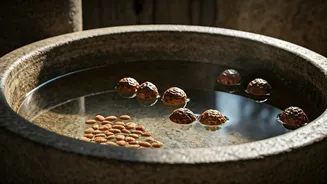
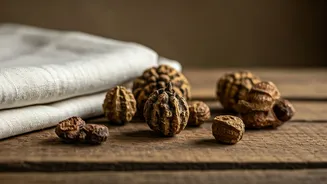
Reetha, commonly known as 'soap nut,' is the dried fruit derived from the *Sapindus Mukorossi* tree. The outer shell of this remarkable fruit contains saponins, which are naturally occurring surfactants. These saponins create a gentle lather when agitated with water, effectively lifting and removing oil and grime from fabrics. Beyond its laundry applications, reetha is a cherished ingredient in many Indian households for hair care, frequently applied by women to achieve long, strong, and lustrous hair. Complementing reetha is the hingot fruit, also referred to as the desert date. This fruit thrives in the arid landscapes of Rajasthan. Indigenous communities utilize both the pulp and seeds of the hingot fruit as a natural washing and cleaning agent. Its properties help to efficiently loosen and dislodge dirt and oily residues from textiles, making it a versatile natural cleanser for various household needs. Together, these two fruits represent a rich heritage of natural cleaning solutions deeply rooted in Indian tradition and resourcefulness.
Simple Usage Methods
Incorporating reetha into your laundry routine is surprisingly straightforward. For a simple wash, begin by gathering approximately 5 to 6 reetha pods. Place these pods into a small cotton or muslin bag, ensuring they are contained. You can then introduce this bag directly into your washing machine along with your clothes, or alternatively, submerge it in a bucket filled with water. Proceed with your normal washing cycle as you would with any other detergent. A notable advantage is that the same reetha shells can be reused for multiple washes, typically retaining their efficacy for at least 3 to 5 cycles, further enhancing their cost-effectiveness and sustainability. For those seeking a more concentrated form, reetha can also be transformed into a liquid detergent. This method involves crushing around 8 to 10 reetha pods and boiling them in water for approximately 15 minutes. After boiling, strain the liquid to remove the solids. This resulting solution can then be used as a potent natural detergent. To maximize its usability, this liquid concentrate can be stored in the refrigerator for later use, offering a convenient and eco-friendly laundry solution that minimizes waste and chemical exposure. Both methods underscore the practicality of traditional cleaning agents.