






The Almond Oil Basics
Many households in India have long relied on almond oil for hair care, often without questioning its origin or type. This familiarity can lead to confusion
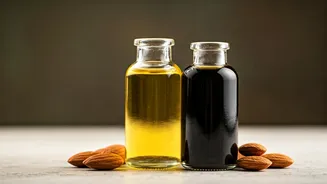
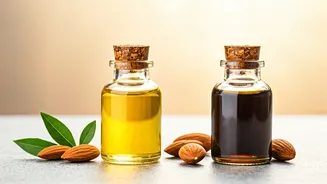
when purchasing, as labels might simply say "almond oil." It’s important to realize that almond oil is derived from two distinct types of almonds: sweet almonds and bitter almonds. The oil extracted from sweet almonds is the one generally recommended and safe for cosmetic use on both skin and hair. When a product is specifically labeled "sweet almond oil," it guarantees that it comes from these edible, safe-to-use almonds. However, a general "almond oil" label can sometimes be ambiguous, potentially including oil from bitter almonds, which necessitates a closer look at the product’s intended use.
Safety and Application
The foremost consideration when choosing almond oil for hair care is safety, and here, sweet almond oil unequivocally takes precedence. It is a gentle and safe option, widely embraced for its applications in hair, skin, and even baby care routines. In stark contrast, bitter almond oil contains certain compounds that can pose risks if not processed under stringent conditions, making it unsuitable for direct application to the scalp. Its use is typically confined to specific industrial applications or perfumery. Therefore, for any regular hair treatment or scalp application, opting for sweet almond oil is the recommended and safe choice, ensuring a worry-free experience for enhancing your hair’s health and appearance.
Texture and Absorption
When it comes to how almond oil feels and performs on your hair, sweet almond oil offers a distinct advantage. It boasts a lightweight consistency that avoids feeling overly sticky or heavy, making it comfortable to use, especially in humid climates. Its mild, subtly nutty aroma is also a pleasant characteristic. A significant benefit of sweet almond oil is its excellent absorption rate into the scalp, a crucial factor given the often warm and humid weather conditions prevalent in India, where heavier oils can feel burdensome. Generic "almond oil" products, on the other hand, might sometimes feel thicker or excessively greasy, which could be an indicator of dilution with other oils or lower purity levels, compromising the desired feel and effectiveness.
Nutritional Benefits for Hair
Sweet almond oil is a powerhouse of nutrients that actively contribute to hair health. It is rich in Vitamin E, a potent antioxidant known for supporting scalp health and protecting hair from environmental damage. The oil also contains beneficial healthy fats that are crucial for combating dryness and maintaining hair’s moisture balance. Additionally, it provides magnesium, a mineral that some studies suggest may play a role in reducing hair fall. Collectively, these components work synergistically to fortify hair strands, enhance softness, and improve overall resilience, making hair less susceptible to breakage and damage. Bitter almond oil, due to its safety profile concerns, does not offer these therapeutic benefits for everyday hair care.
Impact on Hair Growth
It’s crucial to set realistic expectations regarding hair growth. No single oil, including sweet almond oil, can miraculously cause hair to sprout overnight. Genuine hair growth is a complex process influenced by genetics, diet, hormonal balance, and overall well-being. However, sweet almond oil significantly contributes to creating an optimal environment for hair to grow better and thrive over time by improving the condition of both the hair and the scalp. By reducing dryness, smoothing the hair shaft, and minimizing split ends, it helps prevent breakage, making hair appear longer and fuller. Furthermore, a healthy, well-moisturized scalp, facilitated by almond oil massages, promotes better blood circulation, which is vital for healthy follicular function.
Enhancing Hair Appearance
Beyond its role in promoting a healthier growth environment, sweet almond oil offers immediate and noticeable improvements to the aesthetic qualities of your hair. It imparts a desirable softness, making your locks feel smooth to the touch and easier to manage. The oil also significantly enhances hair’s natural shine, lending it a healthy, lustrous appearance. While these might seem like superficial benefits, their cumulative effect contributes to overall hair health and manageability. Easier detangling, reduced frizz, and a smoother texture are all practical advantages that make sweet almond oil a valuable addition to your hair care regimen, contributing to hair that not only feels better but also looks more vibrant and attractive.
Choosing and Using Wisely
For optimal hair care benefits, always opt for sweet almond oil, ideally in its cold-pressed form. This method of extraction preserves more of the oil’s natural nutrients. If a product simply states "almond oil," it’s prudent to examine the packaging to confirm it’s derived from sweet almonds. When incorporating it into your routine, simplicity is key. A classic head massage, where a small amount of slightly warmed oil is massaged into the scalp for 5-10 minutes, can be done a couple of times weekly, left on for an hour or overnight before washing. It can also be blended with other oils like coconut or castor oil for enhanced hydration or thickness. A minuscule amount can even be applied to hair ends to combat frizz, but use sparingly to avoid a greasy look.
Avoiding Common Pitfalls
To maximize the benefits of sweet almond oil and achieve the best results for your hair, it’s essential to steer clear of common missteps. Overusing the oil is a frequent error, as it can make hair washing more challenging and lead to a heavy, greasy feel. It’s also important to cultivate patience; expecting instant transformations in hair length or thickness is unrealistic, as consistent application over time yields the most significant improvements. Furthermore, focusing solely on external treatments like oiling while neglecting internal factors such as diet and overall health can limit progress. Lastly, always prioritize purchasing high-quality, pure sweet almond oil to ensure you are receiving the intended therapeutic benefits, rather than diluted or adulterated products.