





The Hidden Cost of Convenience
Many of us passively accept the inflated prices for everyday gourmet items like vanilla extract, cream cheese, or tahini, viewing them as standard supermarket
expenses. The reality is that the bulk of the price tag is attributed to packaging, branding, preservatives, and extended shelf life, rather than the actual cost of the core ingredients. By preparing these items domestically, one bypasses these extraneous costs, yielding products that are not only more economical but also superior in freshness and flavour. For households in India increasingly incorporating these ingredients into their culinary repertoire, from baking to daily meals, this shift can translate into substantial long-term financial advantages and a healthier, more wholesome consumption experience. It's a direct route to enjoying premium tastes without the premium price tag.
DIY Vanilla Essence
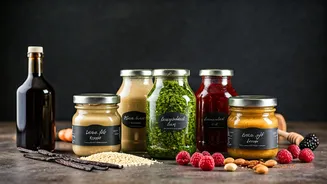
Pure vanilla extract, a staple in baking, commands a steep price in India, often ranging from Rs 400 to Rs 800 for a modest 100ml bottle. Crafting your own at home, however, reduces this cost dramatically while simultaneously enhancing the flavour profile. The process requires just a few key components: good quality vanilla beans (sourced from specialty shops or regions like Kerala), a neutral spirit like vodka or rum, and a clean, airtight glass jar. To begin, split four to six vanilla beans lengthwise, ensuring they remain intact, and place them into the jar. Submerge the beans completely with approximately 250ml of your chosen spirit. Seal the container tightly, give it a vigorous shake, and store it in a cool, dark environment, remembering to shake it weekly. Within six to eight weeks, you’ll possess a potent, aromatic vanilla extract far superior to artificial alternatives. Its flavour deepens with time, and the same beans can be reused, simply by topping up the alcohol, for an extended period.
Homemade Cream Cheese
A 200-gram block of cream cheese can set you back between Rs 200 and Rs 400 at Indian supermarkets, despite its widespread use in cheesecakes, frostings, dips, and sandwiches. Fortunately, producing it at home involves less than 30 minutes of active preparation. The essential ingredients are 1 litre of full-fat milk, 200ml of fresh cream, three tablespoons of white vinegar or lemon juice for curdling, and salt according to your preference. First, combine the milk and cream in a heavy-bottomed pot and heat gently until it nears boiling point. Introduce the vinegar or lemon juice and stir softly; the mixture will quickly separate into curds and whey. Allow it to rest for five minutes off the heat. Subsequently, line a colander with fine muslin cloth or a clean cotton fabric, and pour the curdled mixture into it, letting it drain for at least 20 minutes. Transfer the solid curds to a blender or food processor, add a pinch of salt, and blend until it achieves a consistently smooth and creamy texture. Chill for an hour before use. Stored in an airtight container, it remains fresh for up to a week, offering a texture and taste remarkably similar to its store-bought counterpart.
Effortless Tahini Production
Tahini, a fundamental component in dishes like hummus and various salad dressings, has gained popularity in Indian urban kitchens and health-conscious circles. However, a modest jar can cost between Rs 300 and Rs 600 at specialty stores, whereas preparing a full jar at home can be accomplished for approximately Rs 80. The recipe is straightforward: you'll need 200 grams of white sesame seeds, three to four tablespoons of a neutral oil such as sunflower or light olive oil, and a pinch of salt. Begin by toasting the sesame seeds in a dry pan over low heat, stirring continuously until they emit a nutty aroma and turn a very light golden hue, being careful not to let them burn. Once cooled, place them in a blender or food processor. Initially, they will appear as dry crumbs, but persistence is key. After two to three minutes of blending, gradually incorporate the oil until a smooth, pourable paste forms. Season with salt, blend briefly, and store in a clean jar. This homemade tahini typically boasts a more pronounced roasted flavour than commercial versions, a characteristic many find preferable, and it stays fresh in the refrigerator for up to a month.
Crafting Flavored Butters
Gourmet compound butters, often priced at Rs 300 or more for a small portion in upscale shops, represent one of the simplest yet most rewarding homemade culinary ventures. Whether you prefer herb, garlic, chilli, or honey-cinnamon infusions, the basic method remains consistent. The primary ingredient is 100 grams of unsalted butter, softened to room temperature, combined with your chosen flavourings. For a classic garlic herb butter, finely mince three garlic cloves, chop two tablespoons of fresh herbs like coriander, parsley, or chives, and add a pinch of salt along with a hint of lemon zest if available. Thoroughly mash the softened butter in a bowl until smooth, then incorporate all the chosen flavourings, mixing until they are evenly distributed. Spread the mixture onto a sheet of cling film, shaping it into a log along the bottom edge. Roll tightly and twist the ends to secure. After chilling for at least two hours, or freezing for longer storage, it can be sliced into perfect rounds for use. This technique allows for endless customisation, from blue cheese and walnut to roasted garlic and thyme, catering to any dish you're preparing.
Nutrient-Rich Almond Milk
A litre of almond milk purchased from stores in India typically costs between Rs 150 and Rs 300, with commercial formulations often containing a minimal percentage of actual almonds, sometimes as low as 2 percent. In contrast, preparing almond milk at home utilizes whole almonds, resulting in a richer, more authentic flavour. The recipe requires one cup of raw almonds, four cups of fresh water, a pinch of salt, and optionally, a sweetener such as honey or dates. Begin by soaking the almonds overnight or for a minimum of eight hours, then drain and rinse them. Combine the soaked almonds with the four cups of water in a blender and process on high speed for approximately two minutes until the almonds are thoroughly broken down and the mixture becomes milky. Strain this liquid through muslin cloth or a nut milk bag into a bowl, squeezing out as much liquid as possible. Stir in salt and any desired sweetener, then refrigerate. This homemade almond milk has a shelf life of three to four days. The leftover almond pulp can be dried and repurposed as almond meal for baking, further reducing waste.
Velvety Homemade Peanut Butter
A quality jar of natural peanut butter in India can range from Rs 250 to Rs 500, with many commercial brands incorporating additives like sugar, palm oil, and stabilisers. Creating your own peanut butter is exceptionally simple, requiring only one primary ingredient: peanuts. For two cups of roasted, unsalted peanuts, you'll need a pinch of salt and, if desired, one to two teaspoons of honey or jaggery for sweetness. Roast raw peanuts either in a dry pan or an oven at 180°C for about 8 to 10 minutes until they are fragrant and golden. It's crucial to let them cool completely; this step is vital for achieving the desired texture. Transfer the cooled peanuts to a food processor. Initially, the mixture will appear dry and crumbly, but continue processing. After two to three minutes, the peanuts' natural oils will be released, transforming the mixture into a smooth, creamy spread. Add salt and pulse once more. For a chunky texture, incorporate a handful of roughly chopped roasted peanuts at the end and pulse only twice. This homemade version can be stored at room temperature for two weeks or in the refrigerator for up to a month.
Luxurious Saffron Syrup
Saffron, renowned as one of the world's priciest spices, can be utilized economically and effectively to create a luxurious simple syrup at home, circumventing the Rs 400 to Rs 600 cost of small pre-made bottles from gourmet shops. The homemade version requires only a tiny quantity of saffron. You will need a generous pinch of high-quality saffron (around 20 to 25 strands), one cup of sugar, one cup of water, and optionally, one teaspoon of rose water. Begin by steeping the saffron strands in two tablespoons of warm water for about 10 minutes until the water takes on a deep golden-orange hue. In a saucepan, combine the sugar and one cup of water over medium heat, stirring until the sugar dissolves completely. Introduce the saffron-infused water, including the strands, and allow the syrup to simmer gently for five minutes until it slightly thickens. If using rose water, stir it in at this stage. Let the syrup cool completely before transferring it to a glass bottle for storage. It will remain fresh in the refrigerator for up to three weeks. This exquisite syrup can be used to enhance desserts like kheer, drinks such as sherbets and lemonade, or even French toast, imparting a sophisticated fragrance and flavour.