







Cancer's Tough Frontier
Certain cancers have long presented formidable challenges to medical science, often proving resistant to conventional therapies and carrying a grim prognosis.
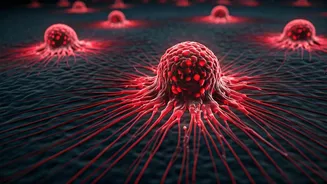
These aggressive malignancies can spread rapidly, making early detection and effective treatment crucial yet difficult to achieve. The persistent struggle against these diseases underscores the urgent need for innovative strategies that can overcome complex biological mechanisms and offer tangible hope to those affected. Understanding the unique characteristics of these particularly virulent cancers is the first step towards developing therapies that can truly make a difference in patient outcomes and improve survival rates.
Innovative Treatment Pathways
A groundbreaking treatment approach is currently under investigation, showing considerable promise in combating one of the most lethal types of cancer. This novel therapy deviates from traditional methods by focusing on specific vulnerabilities within cancer cells that have historically been difficult to target. The research involves sophisticated biological interventions designed to disrupt the cancer's growth and spread at a fundamental level. Scientists are meticulously working to refine these techniques, aiming to create a treatment that is both highly effective and minimizes harm to healthy tissues, thereby improving the quality of life for patients undergoing therapy.
The Science Unveiled
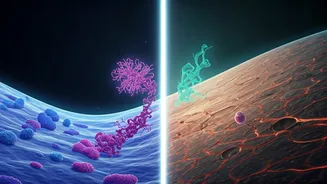
The core of this exciting new treatment lies in its sophisticated understanding of cancer cell biology. Researchers are leveraging cutting-edge scientific knowledge to identify and exploit unique molecular pathways that are essential for the survival and proliferation of these aggressive cancer cells. This approach aims to be highly precise, selectively targeting the diseased cells while leaving healthy cells largely unaffected. The development process involves extensive laboratory testing and preclinical studies to ensure both the safety and efficacy of the proposed therapy. The ultimate goal is to translate these laboratory successes into viable clinical treatments that can significantly alter the landscape of cancer care.