
Musk's Bold Prediction
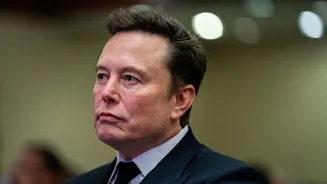
Elon Musk's recent statement, suggesting that work might become optional in the next couple of decades, has sparked considerable interest. This prediction
is rooted in his observations of the accelerating progress in artificial intelligence, robotics, and other technological domains. Musk envisions a future where machines and advanced automation handle a substantial portion of the labor-intensive tasks currently performed by humans. This, in turn, would lead to a reduction in the need for human involvement in many traditional work processes, leading to a landscape where work, as it stands today, would be fundamentally different. His perspective emphasizes the potential for increased leisure time, more focus on personal pursuits, and a shift in how value is defined within society. This signals a move away from the traditional, all-encompassing nature of employment for the majority.
Technological Drivers Examined
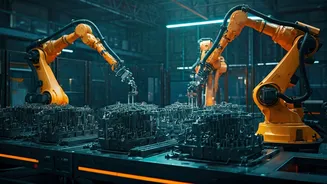
The cornerstone of Musk's prediction lies in the exponential growth of technology. Artificial intelligence (AI) and robotics are at the forefront of this shift, as their capabilities continue to expand at an unprecedented rate. AI's ability to automate complex tasks and make decisions independently is rapidly improving, making it suitable for a wider range of industries. Robotics, increasingly sophisticated and versatile, are becoming more integrated into manufacturing, logistics, and even service industries. Musk foresees that these technologies will not only improve efficiency but also significantly reduce the human workforce needed to carry out tasks. He believes these advancements will eventually lead to such a level of automation that the necessity for human labor in many sectors will diminish, potentially revolutionizing how we approach the concept of work.
Societal Implications Explored
If Musk's vision materializes, it would result in a substantial transformation of society. The shift towards optional work could alter various aspects of human existence, including how we spend our time, the value we place on work, and the economic distribution of resources. One prominent implication is a potential increase in leisure time. Freed from the constraints of traditional employment, people could pursue personal interests, education, or creative endeavors. This could contribute to a cultural shift, emphasizing self-improvement and personal fulfillment. However, this transformation also raises significant questions. The current economic system is largely structured around employment, and its absence could lead to considerable changes in income distribution and the necessity for robust social safety nets to ensure well-being. Furthermore, the role of government and societal institutions would need to adapt to accommodate the needs of a population with more leisure time and potentially different priorities.
Challenges and Considerations
While Musk's vision of optional work is promising, several challenges and considerations need to be taken into account. Implementing such a societal shift will not be seamless; it will require thoughtful planning and strategic execution. A significant hurdle lies in economic restructuring. The current economic systems are built on traditional employment models, so major adjustments would be needed to ensure fair and equitable distribution of wealth and resources in an era of decreased labor participation. Concerns around job displacement and the need for new skill sets should also be addressed. Retraining programs and educational initiatives will need to be accessible and targeted at the areas where human skills will still be in demand. Furthermore, the ethical implications of advanced automation and AI-driven decision-making processes need careful consideration to prevent bias and ensure transparency. Navigating these challenges effectively will be key to realizing a future where work is optional.
Adapting to the Future
Preparing for a future where work becomes optional involves a multi-faceted approach. Individuals, governments, and organizations all have roles to play in shaping a successful transition. On an individual level, it's essential to embrace lifelong learning and adaptability. Acquiring skills that are relevant in the evolving technological landscape, along with developing a mindset that embraces change, is vital. Governments need to establish comprehensive social safety nets, including universal basic income and robust education systems, and also rethink their approaches to employment training and economic support. Businesses and organizations should focus on how they can integrate new technologies to boost productivity and explore new business models. This could include creating more flexible work arrangements and investing in employee upskilling. Collaborating and anticipating the demands of the future are all crucial elements in this process.