






The Great AI Divide
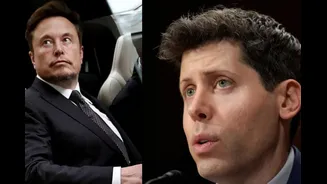
The stage is set for an extraordinary legal showdown, humorously dubbed a 'billionaire vs. billionaire' dispute by Judge Yvonne Gonzalez Rogers. This trial,
anticipated to span four weeks, will feature a constellation of tech industry luminaries, including the litigants themselves, Elon Musk and Sam Altman, alongside Microsoft CEO Satya Nadella and former members of OpenAI's governing body. At its heart lies Musk's 2024 lawsuit, which asserts that OpenAI has veered significantly from its founding ethos. Musk contends that the organization was initially conceived to advance artificial intelligence for the collective good and public safety, rather than to generate private profits. His legal arguments center on the claim that OpenAI’s extensive collaboration with Microsoft has irrevocably transformed it into a profit-driven enterprise. Furthermore, Musk alleges that a fundamental agreement was violated, asserting he contributed approximately USD 38 million with the clear understanding that the developed technology would remain open-source. The lawsuit also posits that Altman and Greg Brockman engaged in deceptive practices regarding the company's structural plans to secure his initial financial backing. Musk's demands are substantial: USD 134 billion in damages and the ousting of Sam Altman as CEO. Intriguingly, he has stipulated that any awarded funds should be directed to OpenAI’s non-profit arm, not to him personally.
Altman's Rebuttal
Sam Altman's legal representatives have firmly characterized the lawsuit as a disingenuous attempt to 'rewrite history,' suggesting Musk's current stance stems more from competitive pique with his own burgeoning AI ventures than from a genuine concern for OpenAI's original mission. OpenAI's defense articulates several counterpoints. Their legal submissions highlight that Musk himself failed to deliver the USD 1 billion he initially pledged to the project. They further contend that Musk once advocated for a shift to a for-profit model, but only under the condition that the company would be absorbed by Tesla and placed under his sole dominion. Crucially, OpenAI maintains that Musk's USD 38 million contribution was a donation to a non-profit entity, a status that does not confer upon him ownership rights or control over the company's current commercial operations. This perspective frames Musk's involvement as one of charitable support rather than an investment seeking equity.
Judicial Impartiality
Judge Rogers has signaled her intention to maintain a strictly professional and efficient courtroom environment, explicitly warning both parties against engaging in 'gamesmanship' or any actions that would unnecessarily prolong the proceedings. In a deliberate move to ensure a level playing field, she has opted to strip the high-profile billionaires of any perceived special privileges. Both Elon Musk and Sam Altman are mandated to enter the courthouse through the main entrance and undergo the identical security screening procedures required of all other individuals. This directive underscores the judge's commitment to impartiality and to treating all parties equally within the judicial process, setting a precedent for how high-stakes tech litigation will be handled.
Precedent Setting Verdict
The outcome of this legal battle holds significant implications, poised to establish a monumental precedent within the technology sector. The court's final decision will likely delineate the boundaries of corporate metamorphosis, particularly for organizations that transition from non-profit, public-benefit foundations into immensely valuable commercial entities. It raises fundamental questions about accountability, mission adherence, and the ethical considerations when groundbreaking technologies, initially intended for societal advancement, become engines of massive economic growth and competitive advantage. The verdict could shape how future AI companies are structured, funded, and governed, influencing the balance between innovation, public good, and commercial interests.