





Navigating New Travel Norms
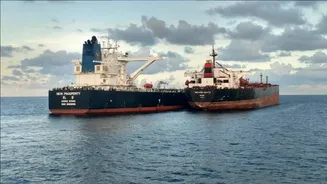
The current global fuel market pressures, exacerbated by potential disruptions in key shipping lanes like the Strait of Hormuz, are prompting significant
adjustments across South and Southeast Asian nations. Travellers venturing into these regions this summer might encounter a noticeably different travel landscape. Expect to see a greater emphasis on public transportation as private vehicle use is discouraged or restricted. Many businesses, particularly in the hospitality sector, may operate with reduced staff, and you might observe quieter business districts as energy conservation measures become the norm. Intercity travel, especially to more remote or less accessible areas, could become less predictable due to fuel availability constraints. Some destinations are also implementing limitations on non-essential energy consumption, such as restricting air-conditioning usage, which could affect overall comfort levels. Furthermore, intermittent power outages are a possibility in certain locales, underscoring the need for travellers to remain flexible and well-prepared for unexpected changes.
South Korea's Measures
South Korea is implementing a comprehensive energy conservation plan in response to the fuel crisis. A cornerstone of this strategy is the more rigorous application of an odd-even vehicle restriction system, currently applied to public sector vehicles based on their license plate numbers. While this rule isn't mandatory for private car owners yet, authorities are strongly encouraging voluntary adherence and reserve the right to impose stricter regulations should the situation worsen. Notably, this restriction does not affect compact or eco-friendly vehicles, cars used by individuals with disabilities, or those transporting pregnant women or infants. To alleviate peak hour congestion, public institutions are adjusting their working hours, promoting staggered schedules. The broader public is also being urged to prioritize public transport, minimize electricity consumption, and shift energy-intensive tasks to off-peak times to conserve precious fuel resources.
Philippines' Fuel Concerns
The Philippines is facing a severe fuel challenge, prompting the government to declare a state of preparedness due to escalating oil prices. This situation is particularly strained as the nation heavily relies on fuel imports from the Middle East, resulting in critically low fuel reserves that may only last a few weeks for gasoline, diesel, and jet fuel. Government operations have transitioned to a reduced workweek, with offices now operating four days a week, and a strong push is being made to encourage remote work arrangements and carpooling across the country. To mitigate the impact on livelihoods, financial aid is being provided to transport workers who are most vulnerable to the rising fuel expenses, with a particular focus on jeepney and tricycle drivers.
Vietnam's Conservation Drive
Vietnam is actively promoting behavioral shifts to significantly reduce fuel consumption. The government has strongly advocated for remote work options for sectors that do not require on-site presence. Alongside this, there's a concerted effort to discourage the use of private vehicles, with citizens encouraged to explore alternatives like cycling, carpooling, and utilizing public transportation networks. Adding to the travel impact, Vietnam Airlines has announced a reduction of 23 domestic flights weekly effective April 1, 2026, citing severe disruptions in fuel supply. Other domestic airlines are also preparing to introduce fuel surcharges on their international routes, commencing in early April, reflecting the widespread cost pressures.
Thailand's Balancing Act
In Thailand, authorities are navigating a complex path between managing fuel prices and ensuring adequate supply. A temporary ceiling has been placed on diesel prices, coupled with mandates for fuel companies to bolster their reserves. These measures, however, have inadvertently led to instances of panic buying and longer queues at fuel stations. Energy-saving initiatives are permeating daily life; government offices have raised the thermostat settings for air conditioning, and officials have suggested adopting lighter dress codes to decrease the reliance on cooling systems. While new agreements have been forged to diversify the sources of oil imports, the upward trend in prices is still gradually affecting consumers and businesses across the nation.
Laos' Acute Shortages
Laos is grappling with particularly acute fuel shortages, resulting in the temporary closure of a substantial number of petrol stations due to depleted stock. As the nation's fuel supply is largely dependent on imports channeled through neighboring countries, these transit disruptions have had a disproportionately severe effect. In response, the government has implemented a measure to conserve fuel by reducing in-person schooling to just three days per week, with the remaining days potentially offering remote learning or other arrangements.
Myanmar's Driving Rule
Myanmar's ruling junta has instituted an alternate-day driving system for private vehicles, a strategy mirroring energy conservation efforts seen in other regional countries. This measure is being implemented as the nation confronts a confluence of economic difficulties and a scarcity of fuel. Enforcement mechanisms are in place, including penalties such as fines for individuals who fail to comply with the driving restrictions.
Sri Lanka's Strict Controls
Sri Lanka has enacted some of the most rigorous fuel conservation measures in the region. Public institutions, schools, and universities are now operating on a compressed four-day work week, with Wednesdays designated as a holiday to facilitate fuel savings. Critical services are, however, exempt and will continue to operate normally. Access to fuel is being meticulously managed through a rationing system, which imposes strict limits on the quantity individuals are permitted to purchase at any given time.
Bangladesh's Power Plans
In Bangladesh, authorities are adopting a proactive stance by implementing planned power outages. This strategy is designed to alleviate the strain on fuel consumption and reduce overall electricity demand, thereby conserving resources during this period of global fuel market uncertainty.